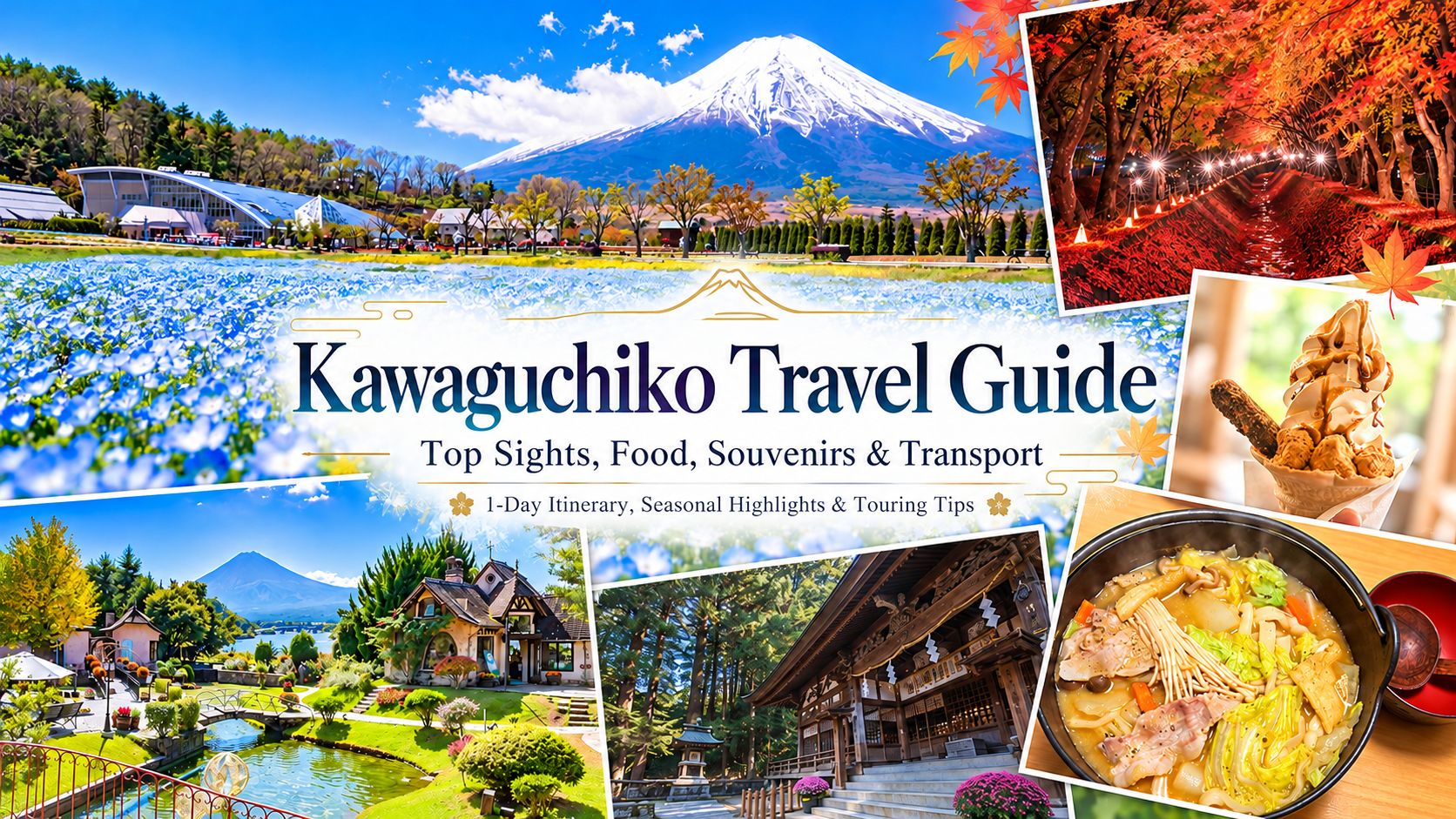
This guide covers how the lake divides into areas, ten places worth visiting, local food, souvenirs, lodging, a sample itinerary, and transportation. A few things to know before you go are included at the end.
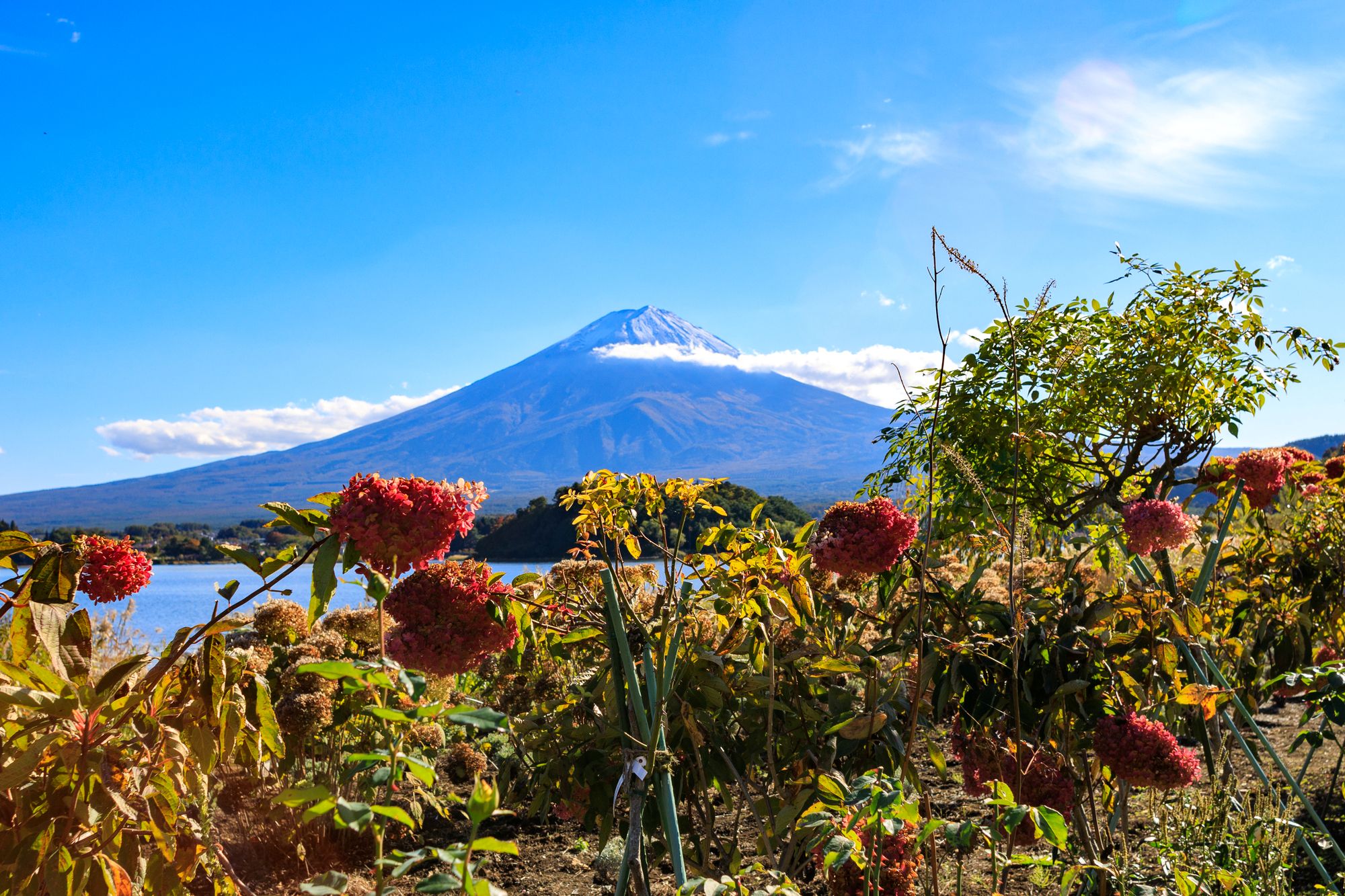
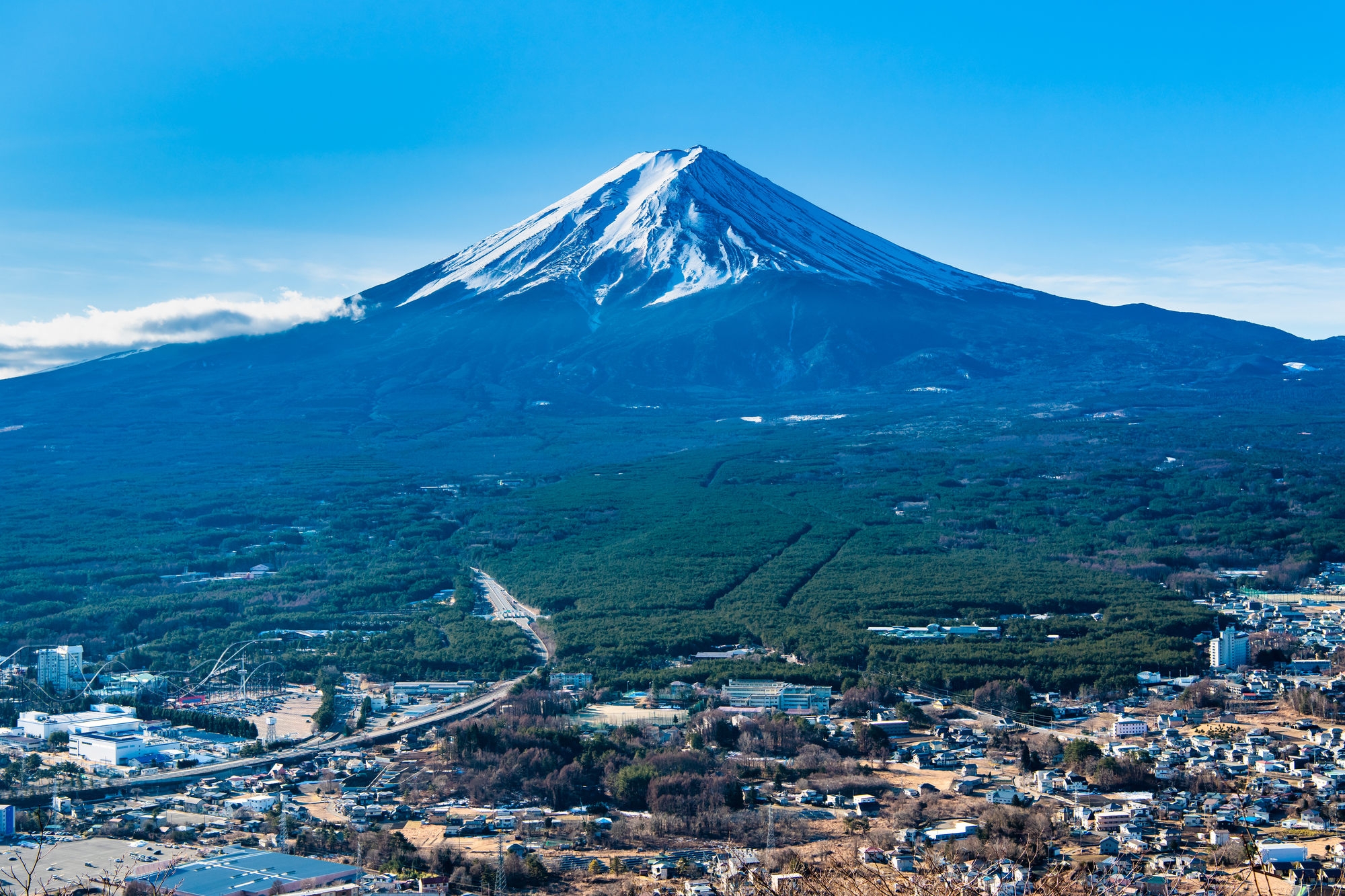
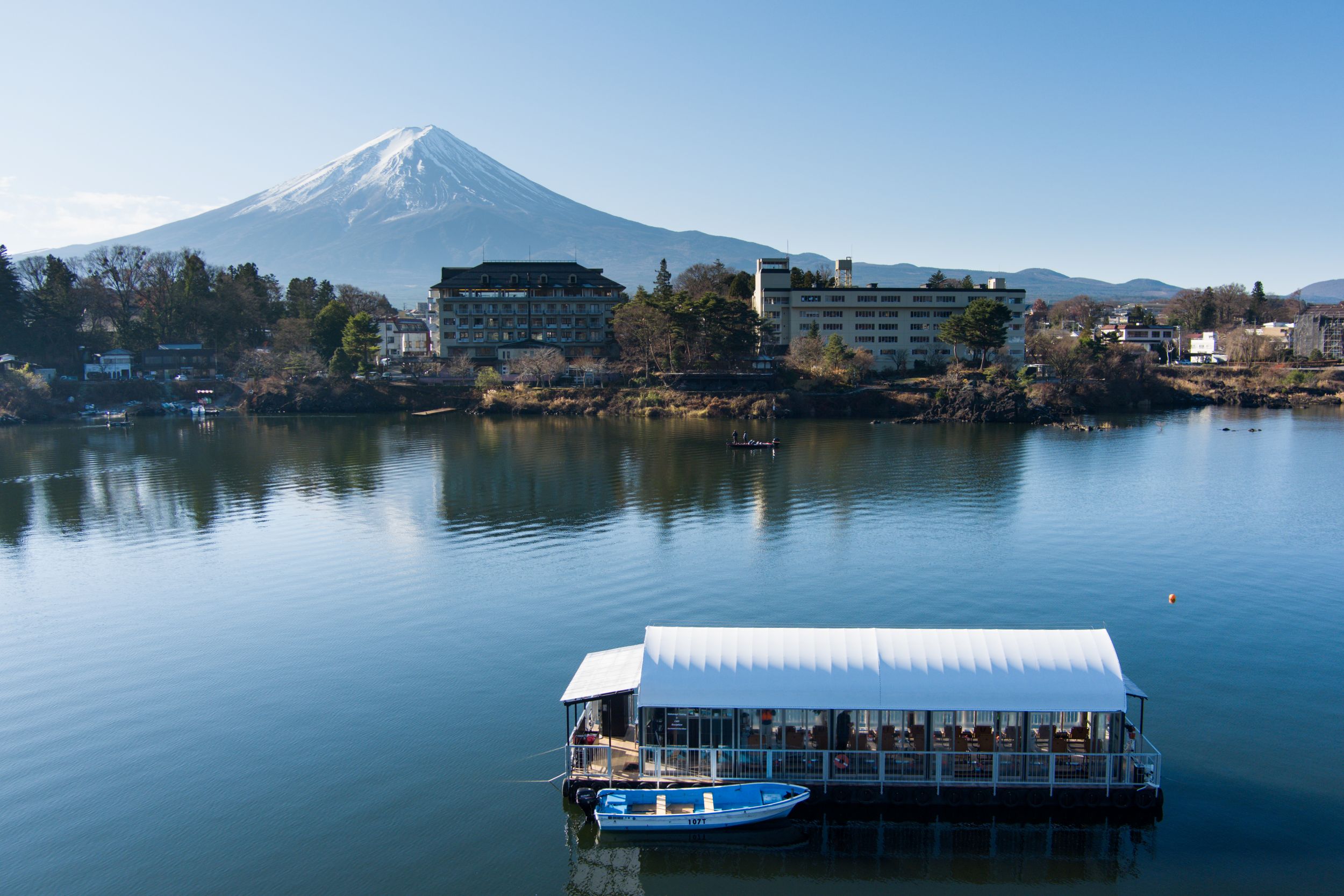
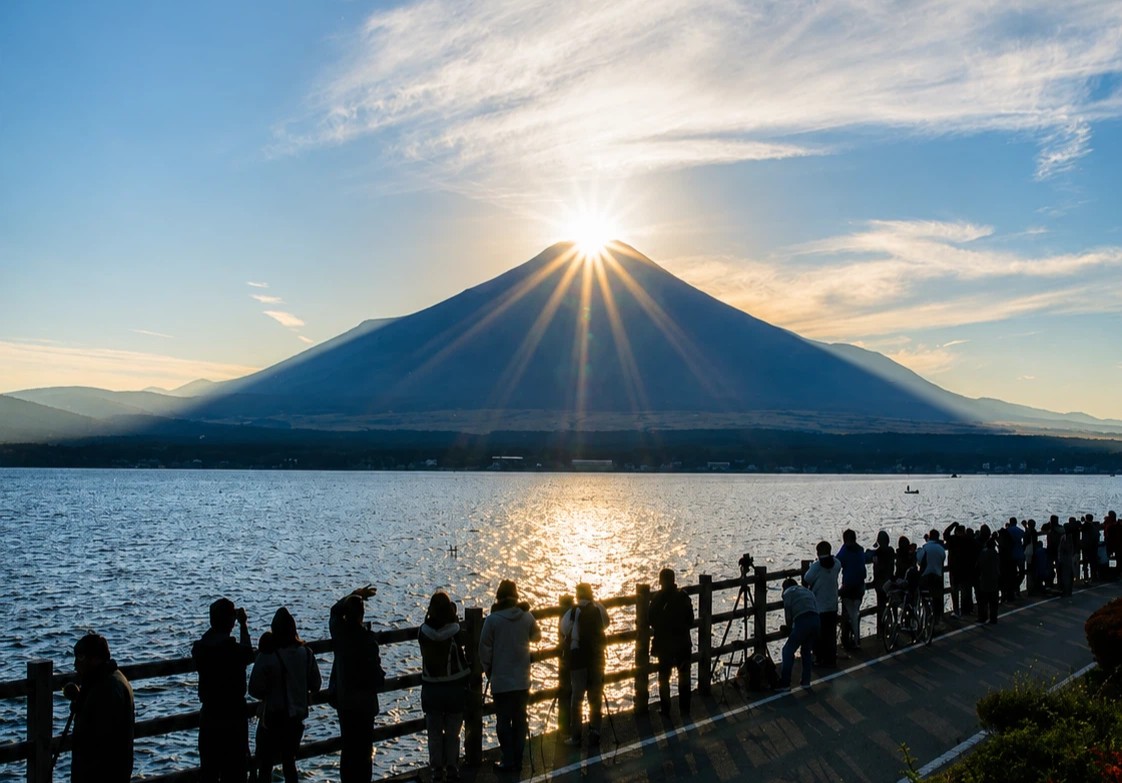
Lake Kawaguchiko sits in Fujikawaguchiko Town, Yamanashi Prefecture. Mt. Fuji rises to the south, and from the north shore you look straight across the water at the mountain .
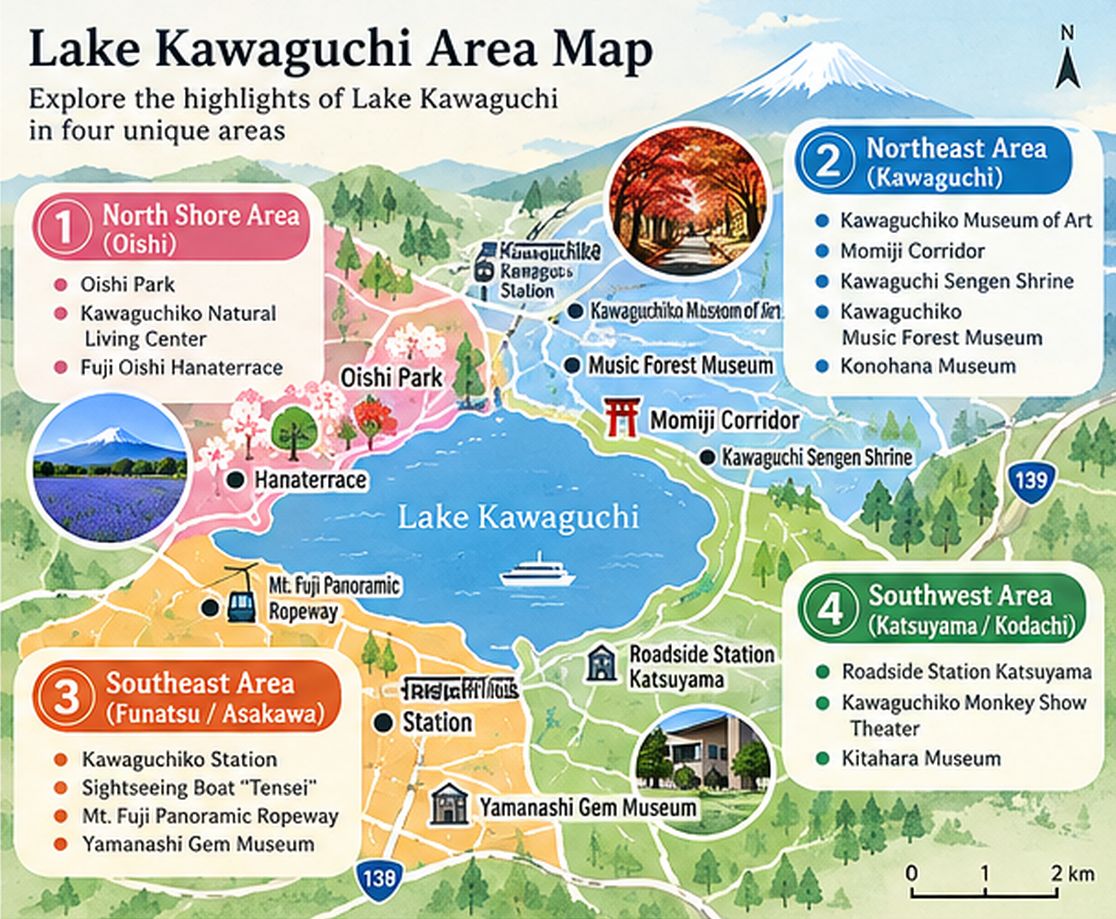
These are ten spots worth putting on a first itinerary. Use the map to pick the ones you want to see.
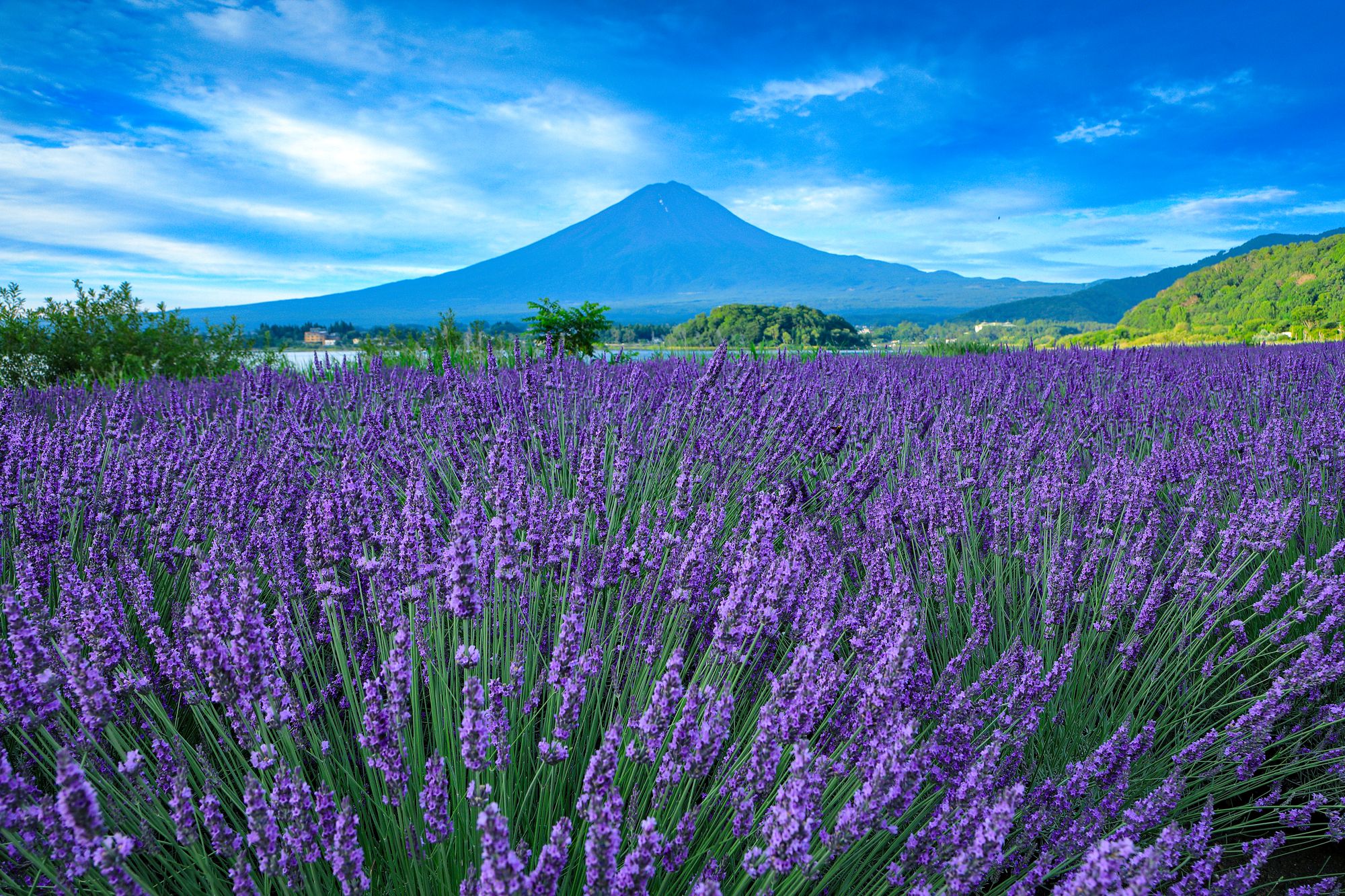
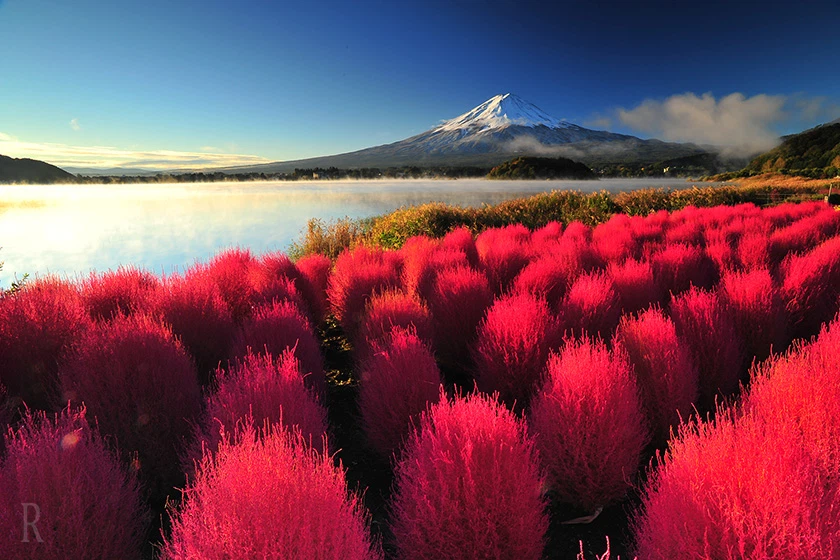
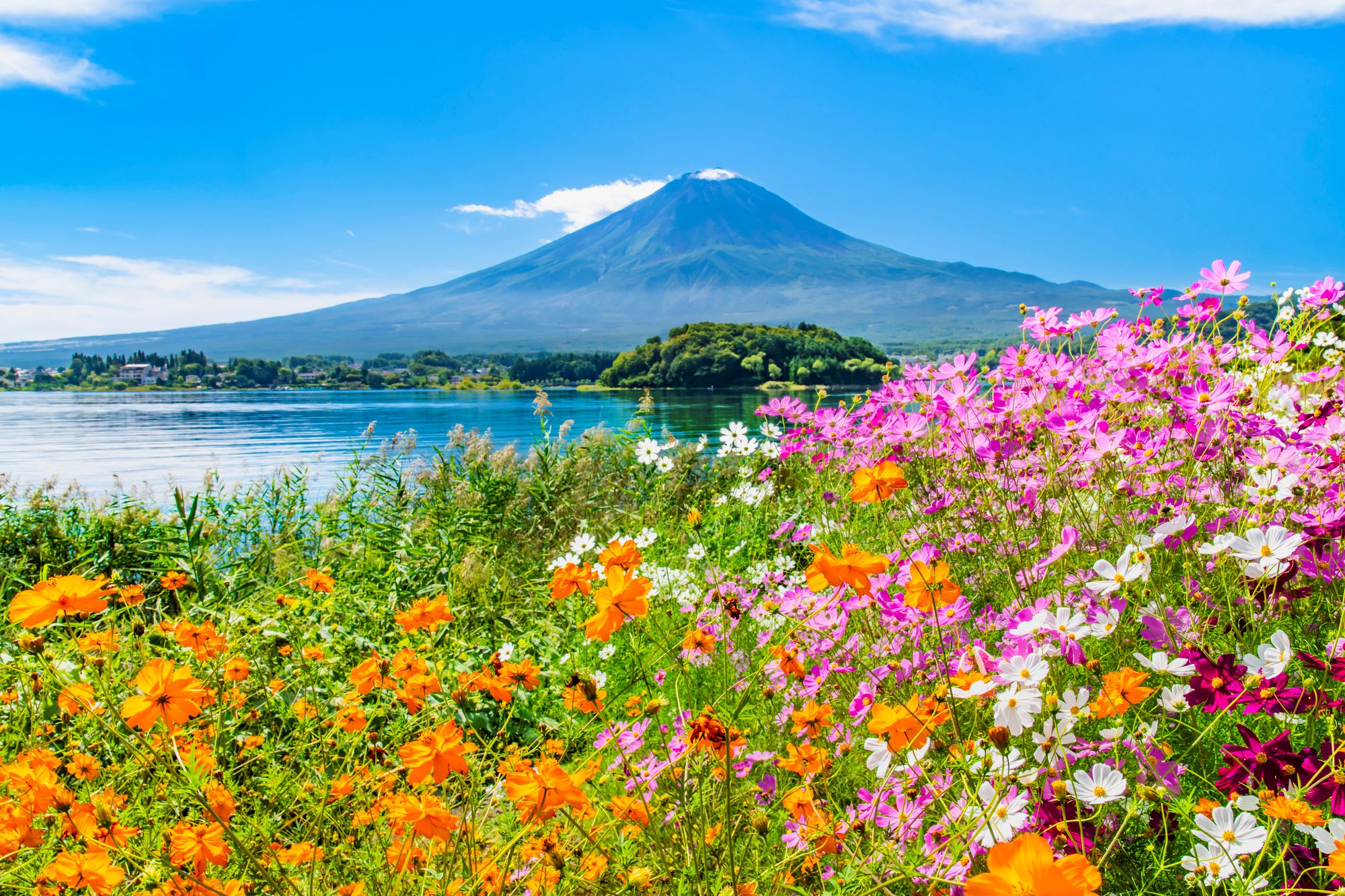
Oishi Park: Mt. Fuji and Seasonal Flowers in One View On the north shore, this park looks straight across the lake at Mt. Fuji . The flower path runs about 350 meters and carries more than 90 kinds of plants through the year, including tulips, lavender, and kochia in fall. Lavender peaks from late June to mid-July, when the park serves as the main venue for the Kawaguchiko Herb Festival. In autumn the kochia turns red against a snow-capped Mt. Fuji. The shop Oishiya sells local vegetables and preserves, so you can pick up souvenirs on the way through.
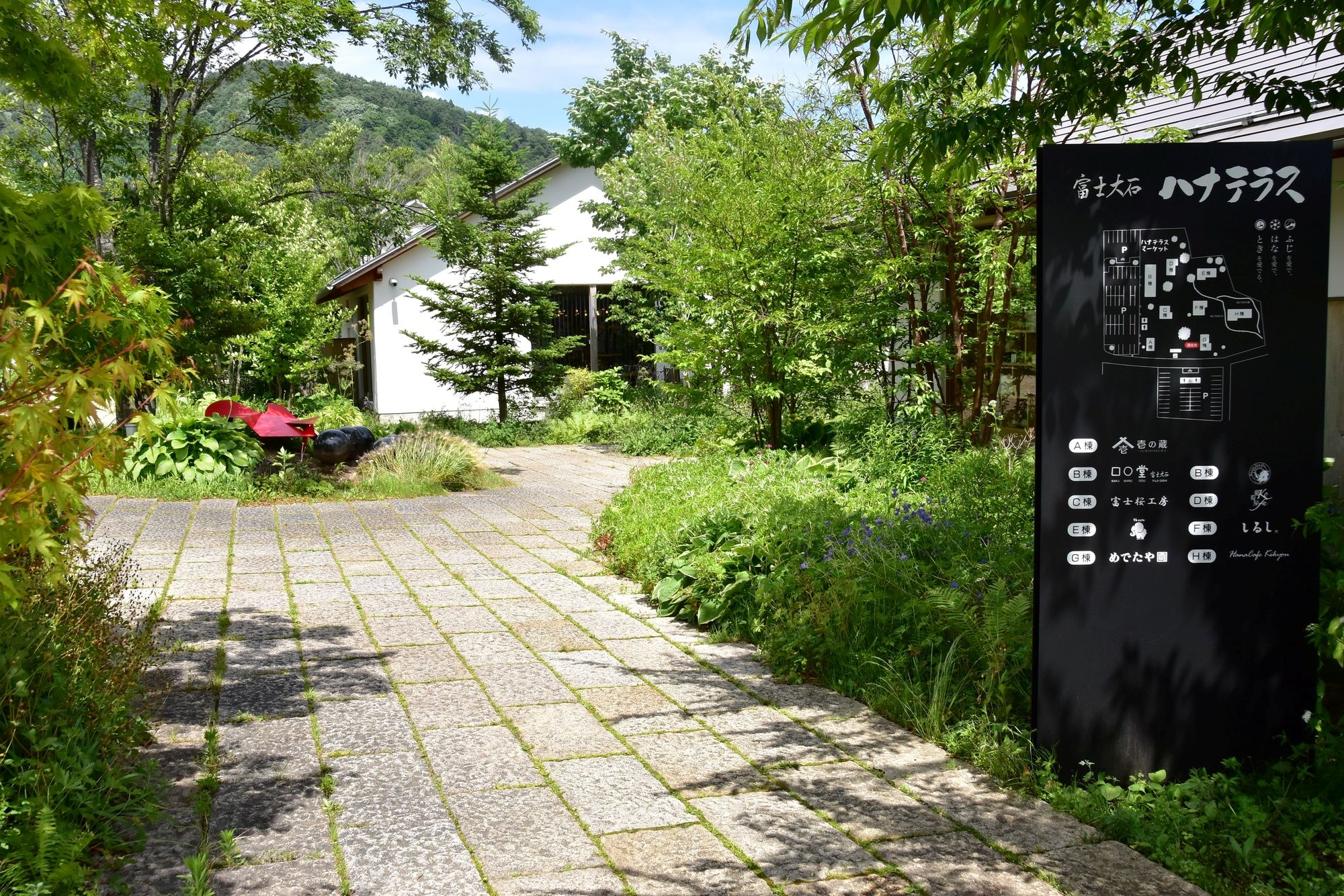
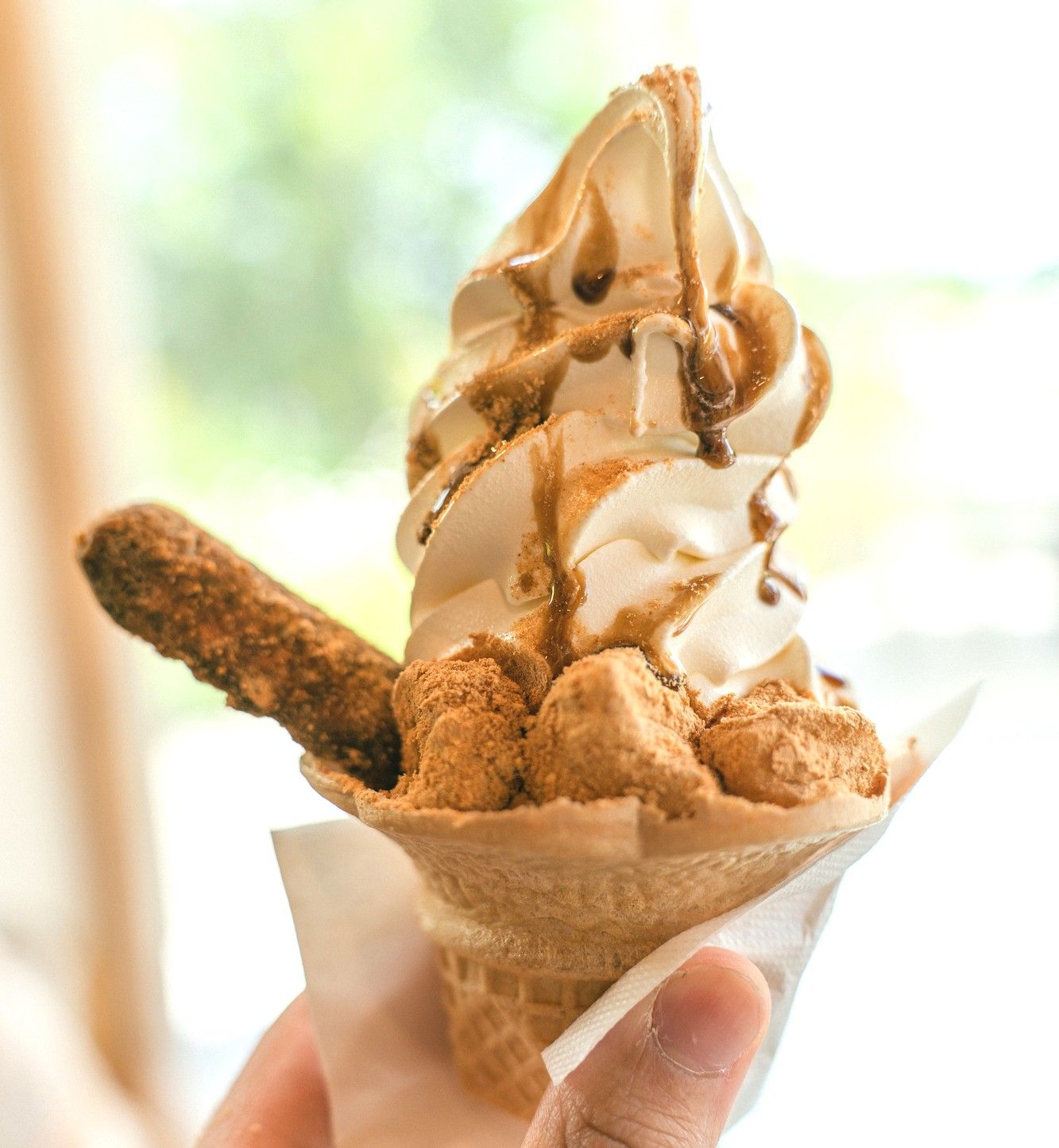
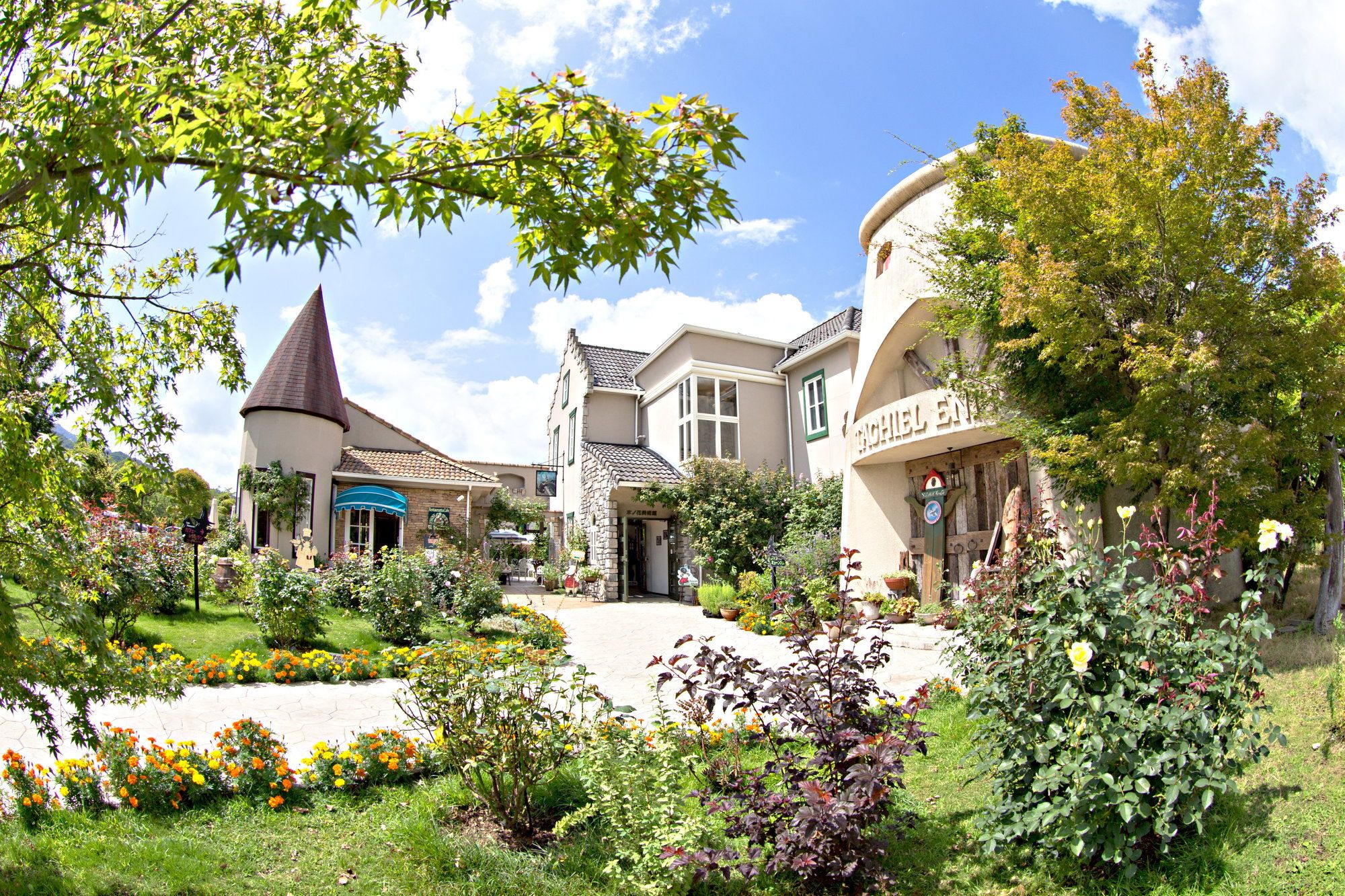
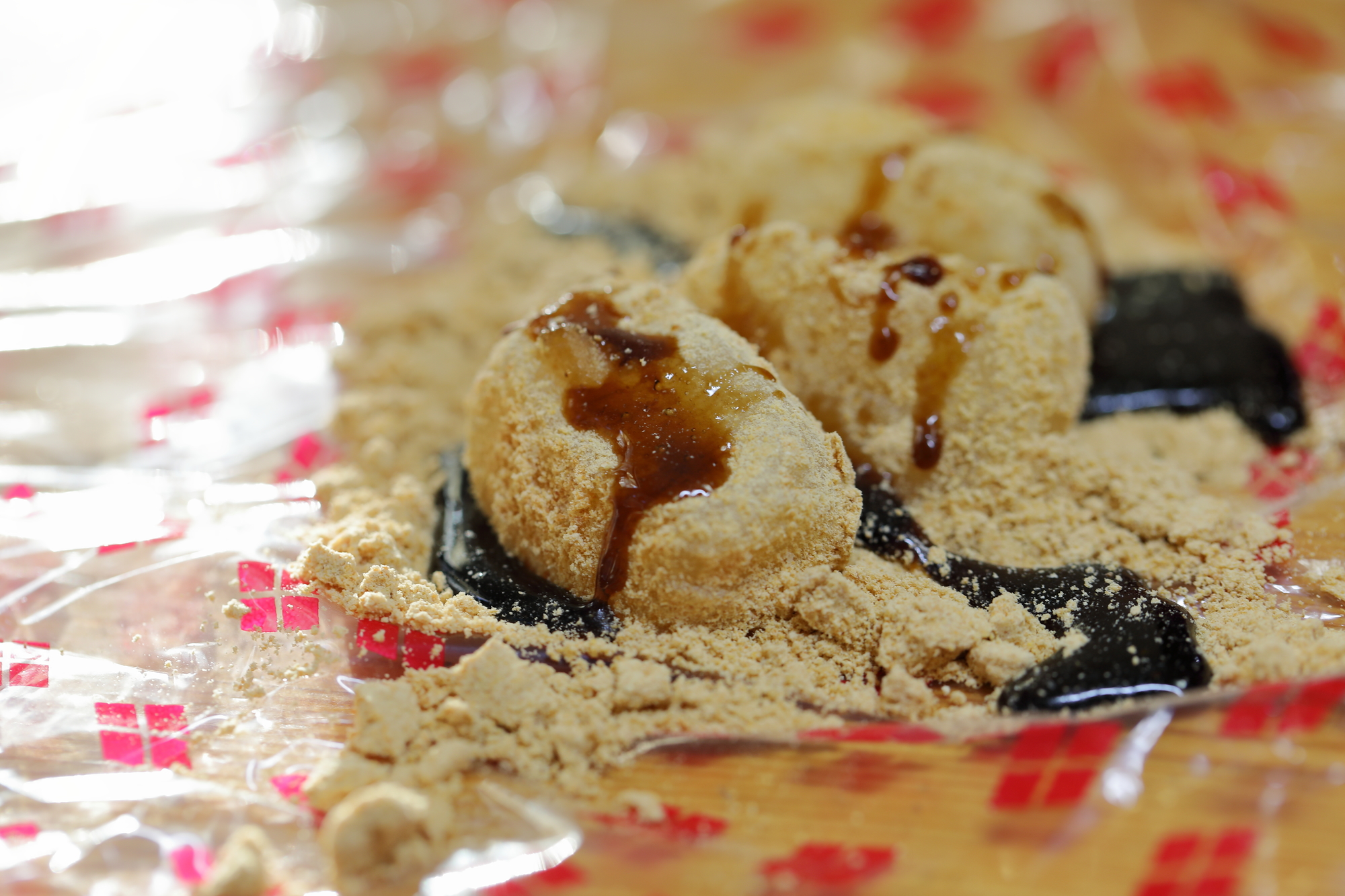
Fuji Oishi Hanaterrace: Shops and Cafés Next to Oishi Park A cluster of shops along a stone path, with white walls and open views, right beside Oishi Park. Sweets, crafts, and Yamanashi specialties fill the small buildings, and both entry and parking are free . Budouya Kofu Hanaterrace Café serves soft-serve made with Yamanashi peaches and juice pressed from wine grapes; HanaCafe Kikyou, run by the maker of Shingen Mochi, is here as well.
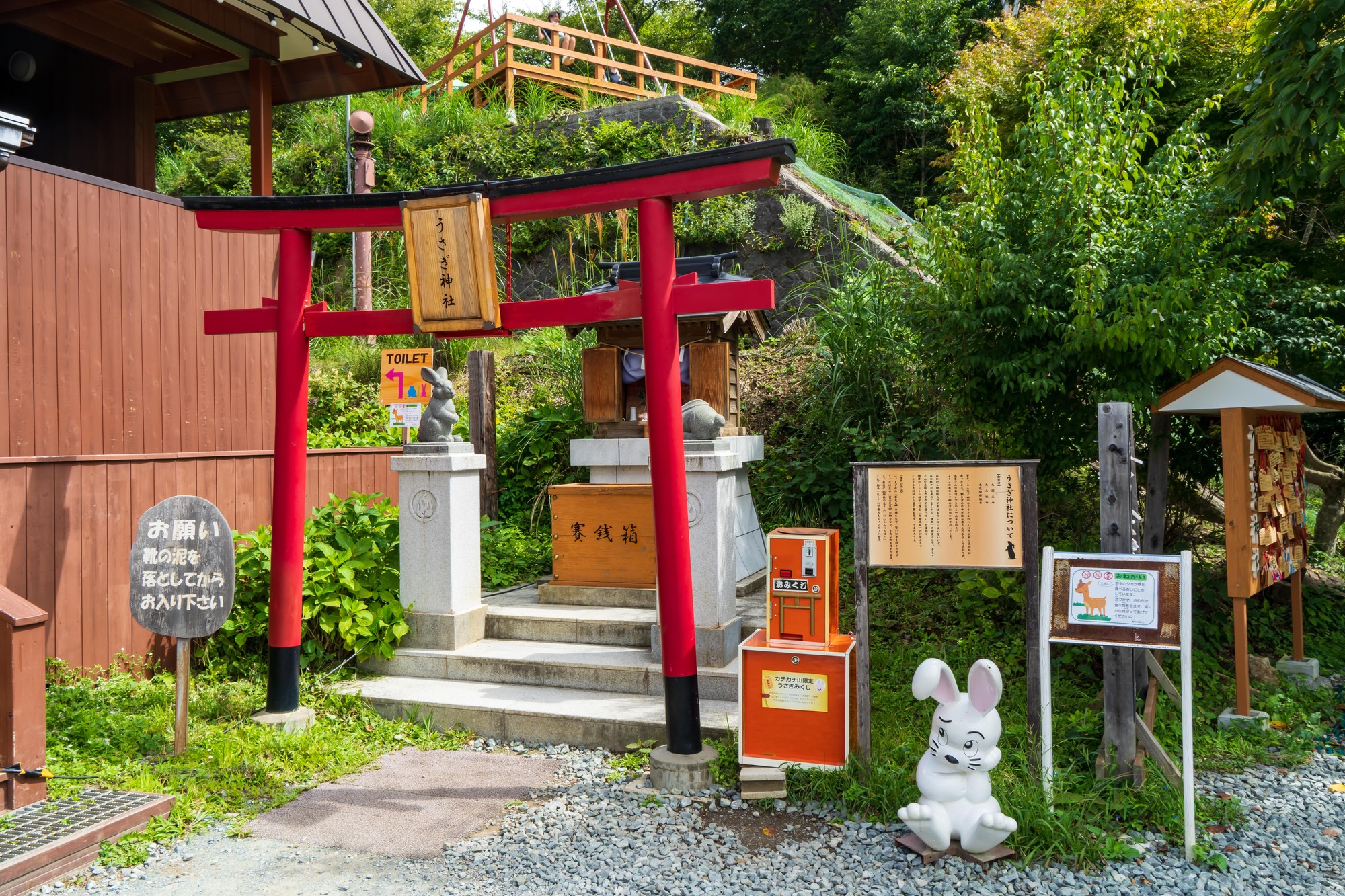
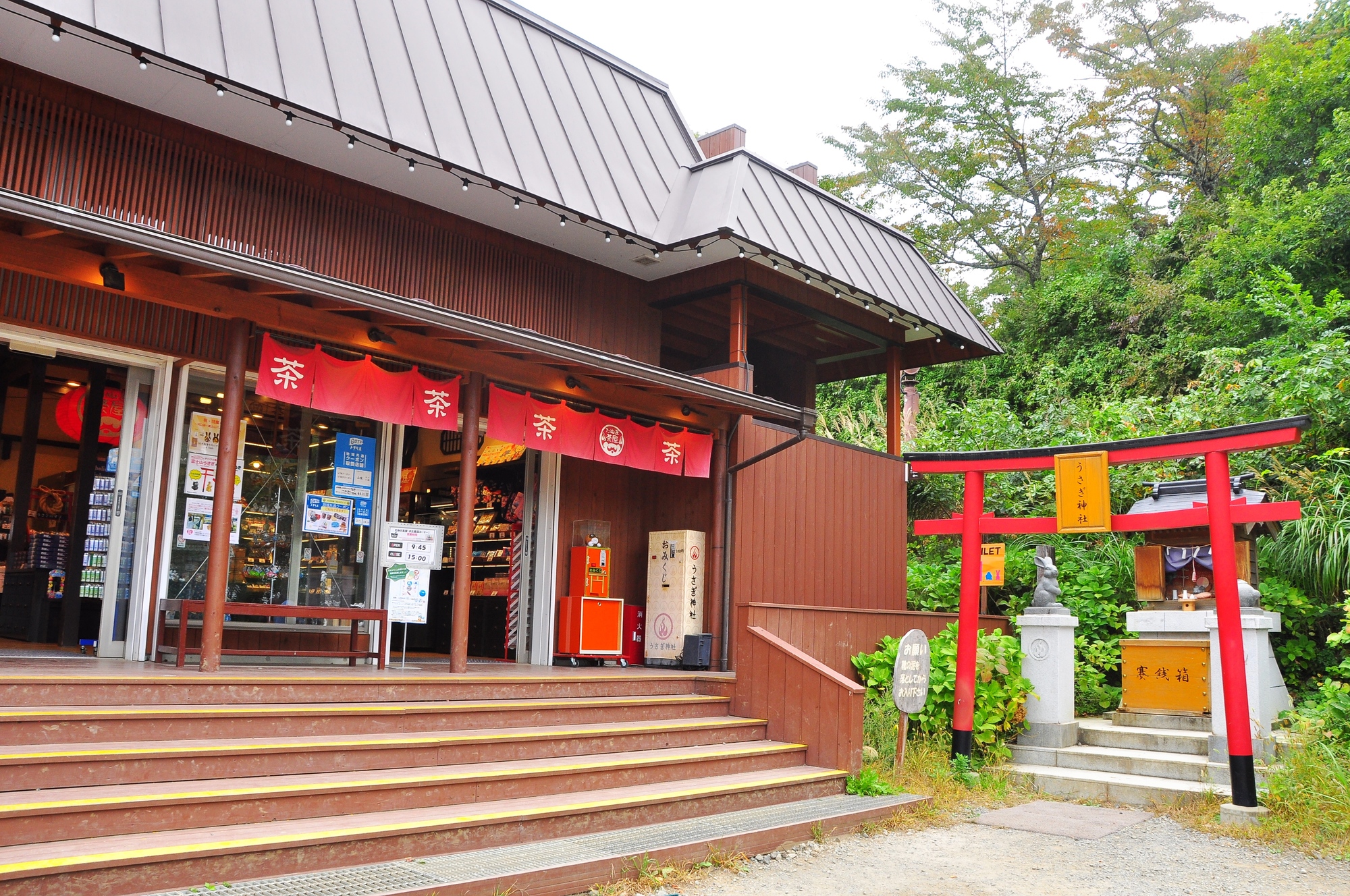
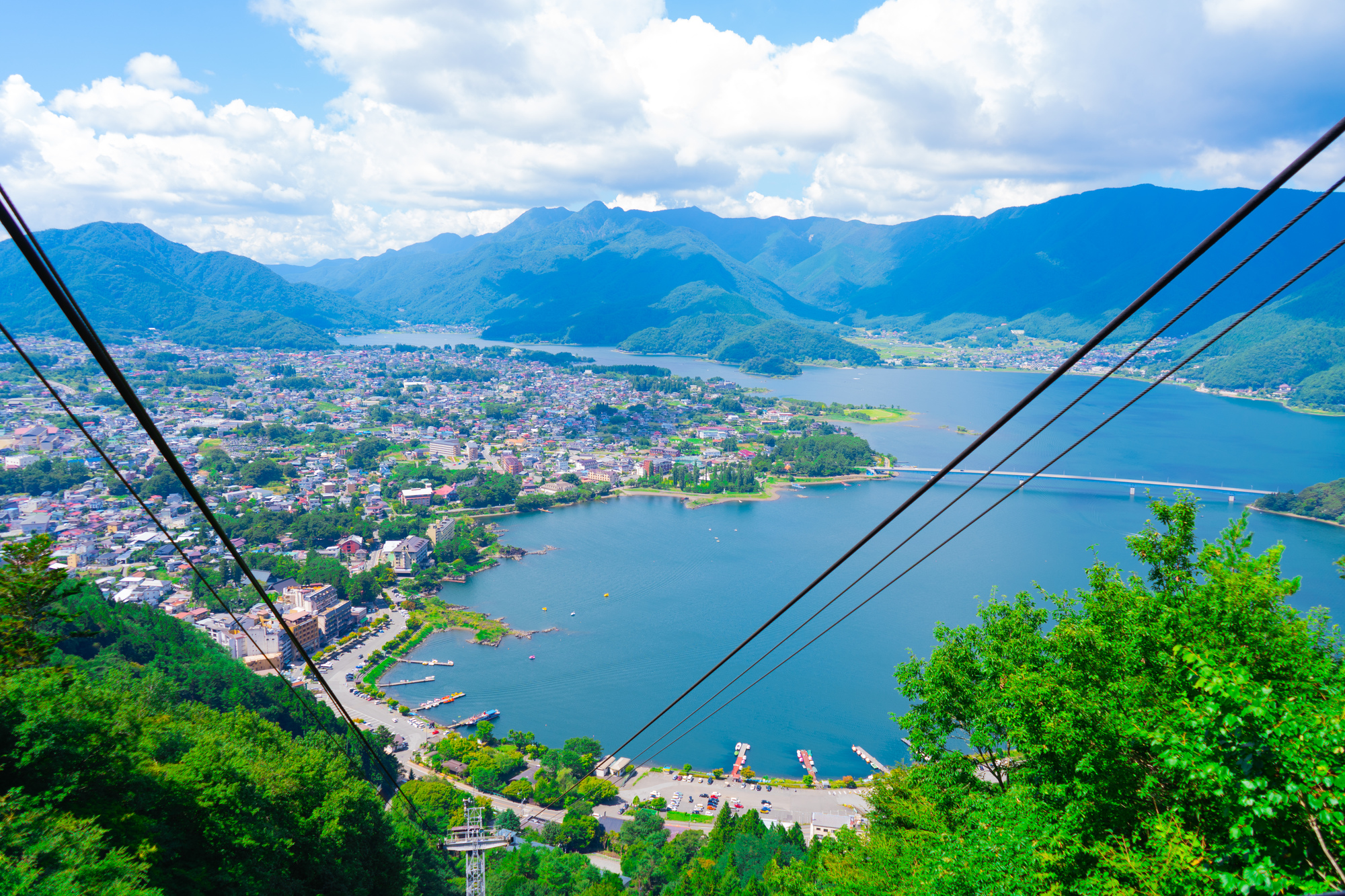
Mt. Fuji Panorama Ropeway: Up to the Observation Deck at 1,075 Meters The ropeway climbs from the lakeshore to the summit of Mt. Tenjo in about three minutes. The deck at 1,075 meters takes in Mt. Fuji and Lake Kawaguchiko at the same time. At the top you will find the Tenjo Bell, a kawarake disc-throwing spot, a rabbit shrine, and the Kachi Kachi Yama Swing, which faces out over the lake. The mountain is the setting of the folk tale Kachi-kachi Yama, and a trail runs back down to the lakeshore if you would rather walk.
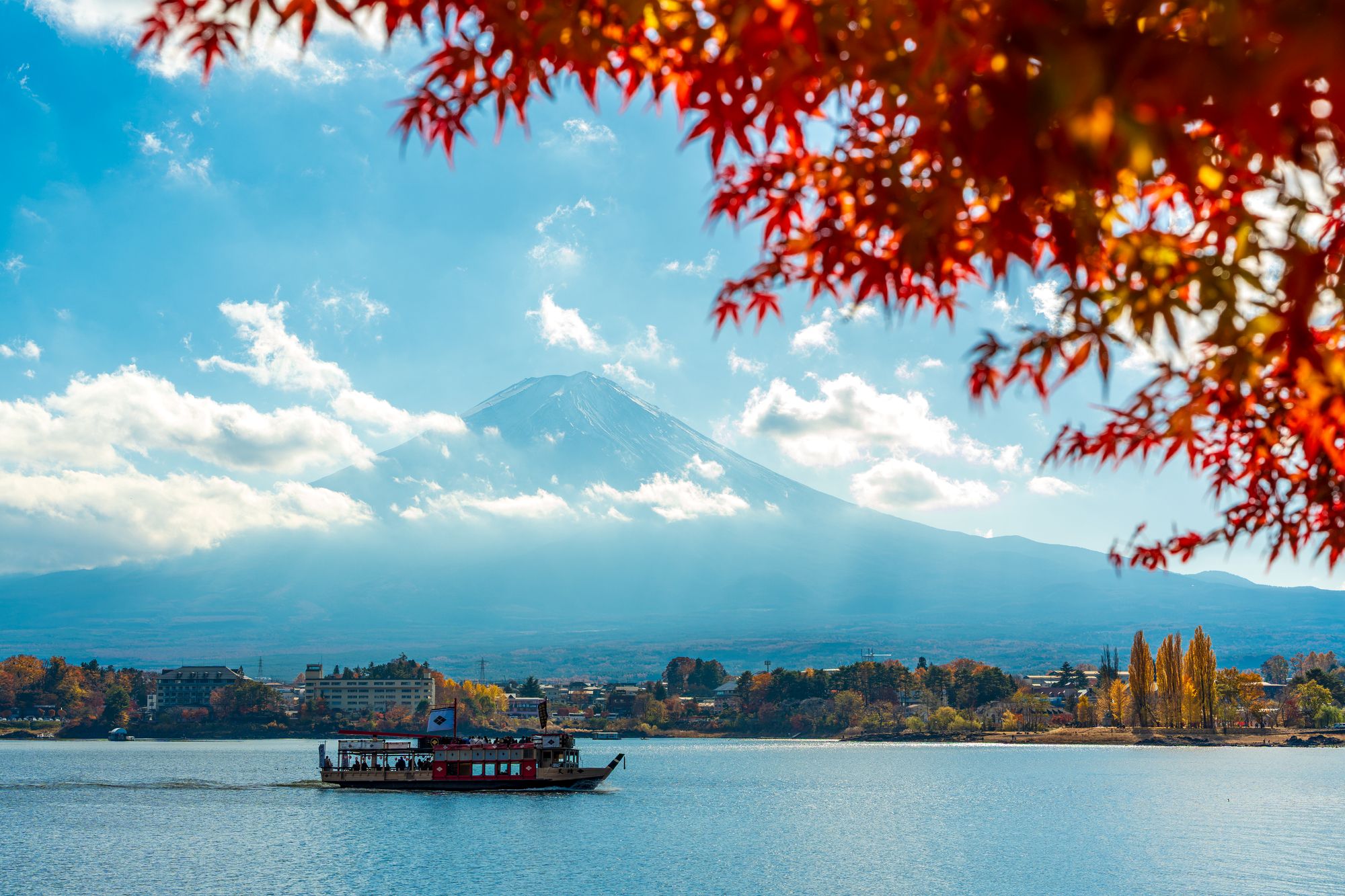
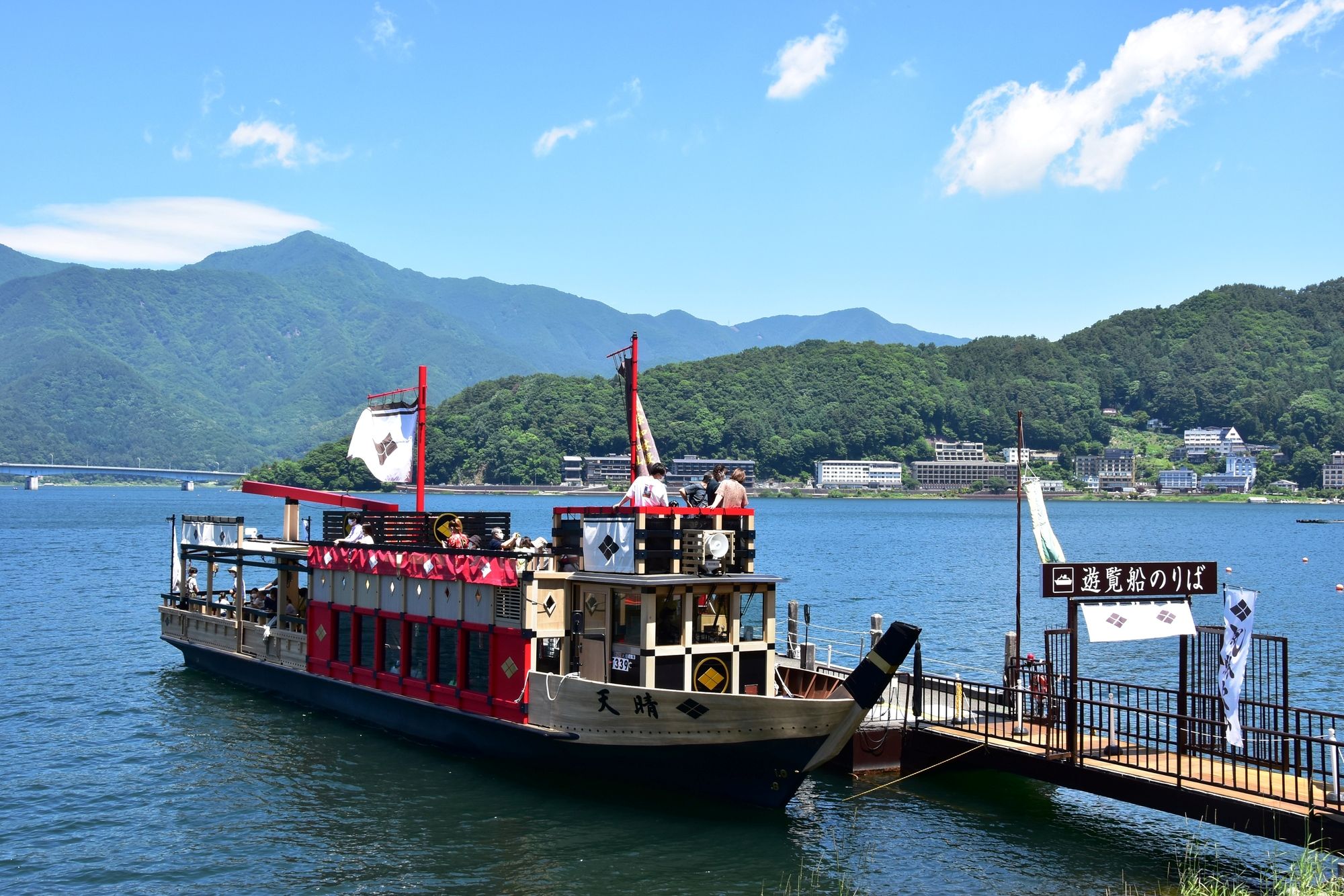
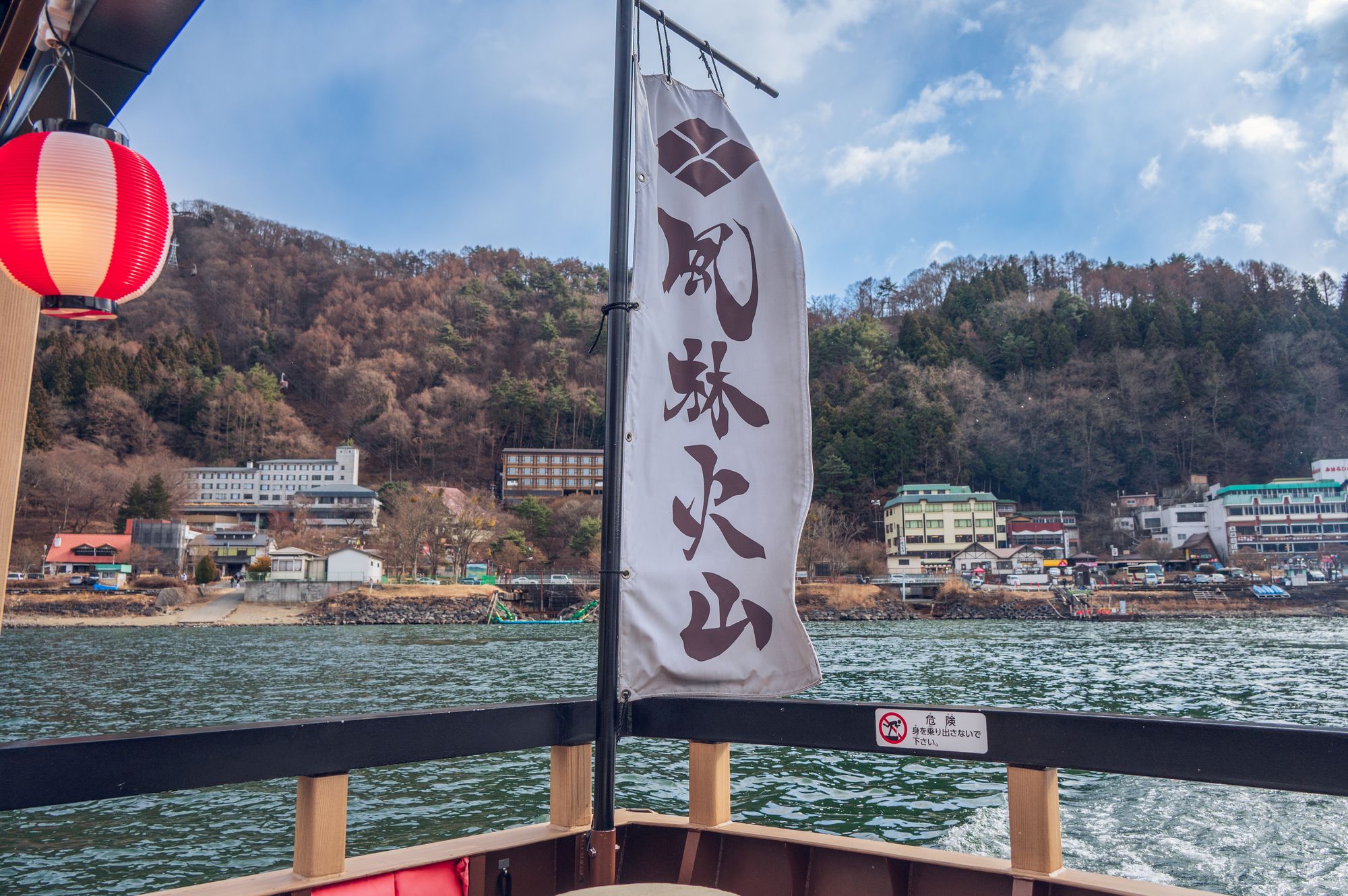
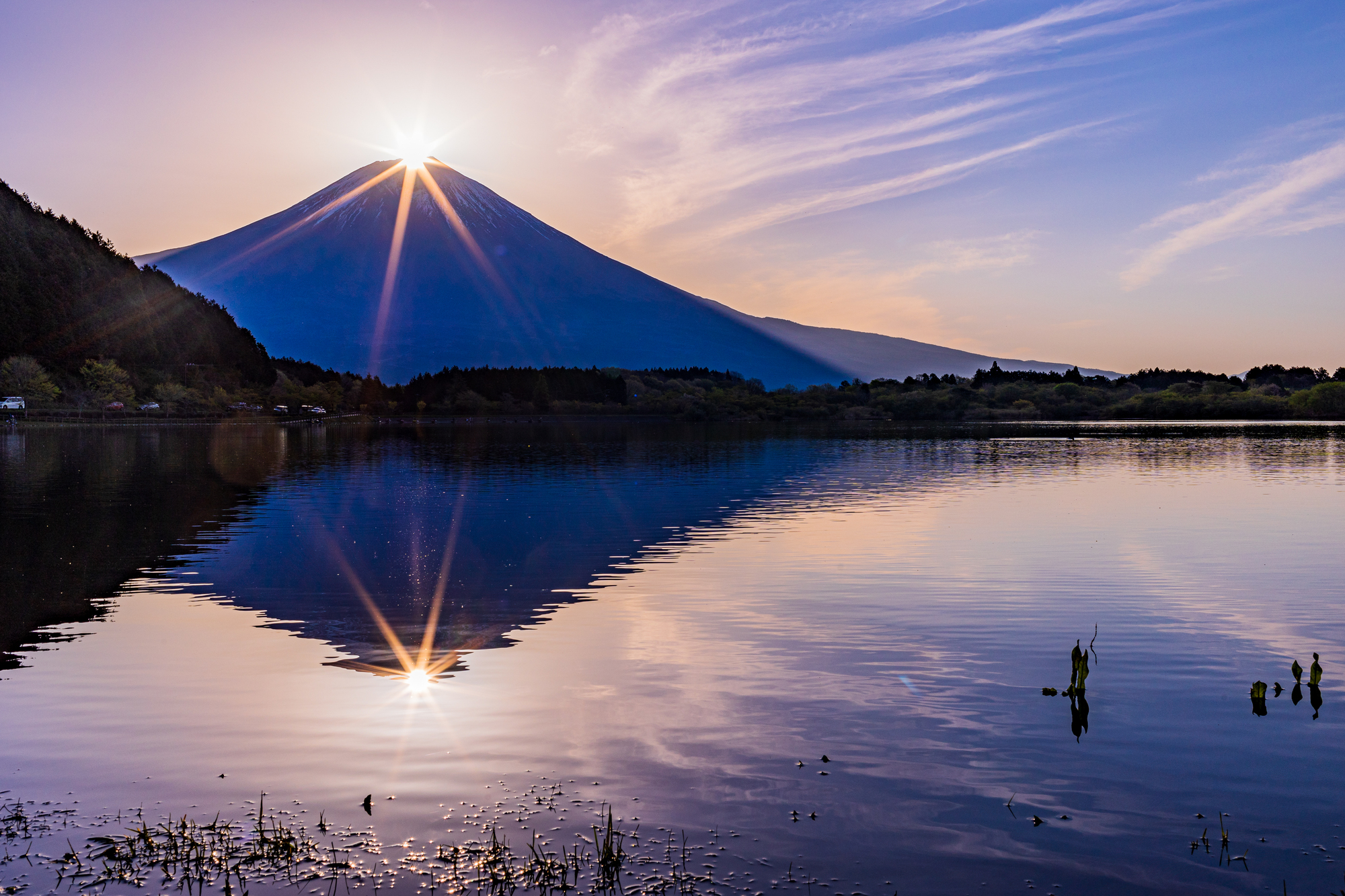
Sightseeing Boat Appare: Looking Up at Mt. Fuji from the Water Modeled on an atakebune warship of the Takeda navy, this boat circles the lake in about 20 minutes. The Takeda-bishi crest and the red hull recall the clan’s armor. On a windless day the surface reflects an upside-down Mt. Fuji , a view you cannot get from the shore. A large screen inside shows footage of Mt. Fuji through the seasons along with area information in English, and the cabin has a tatami section.
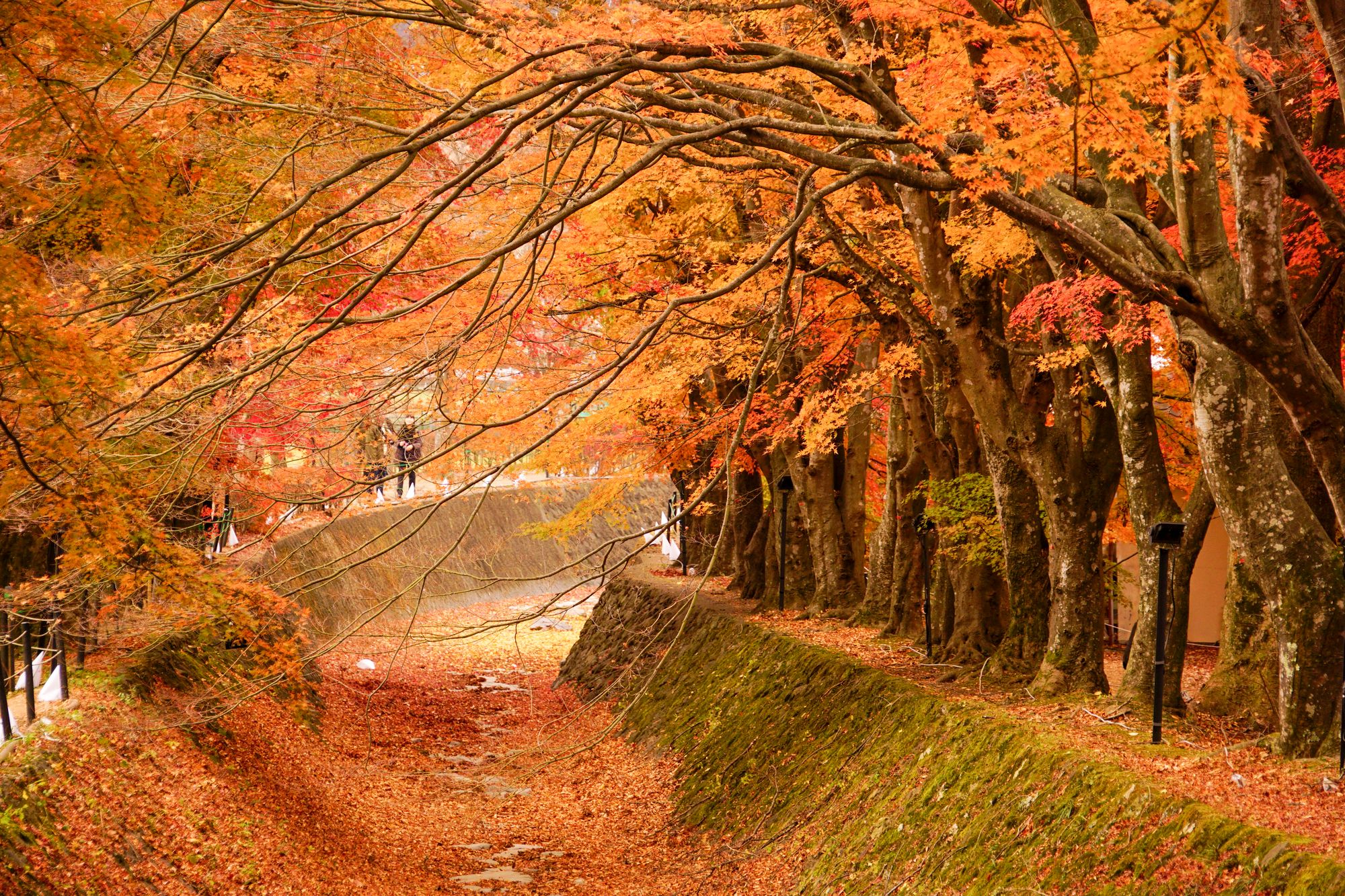
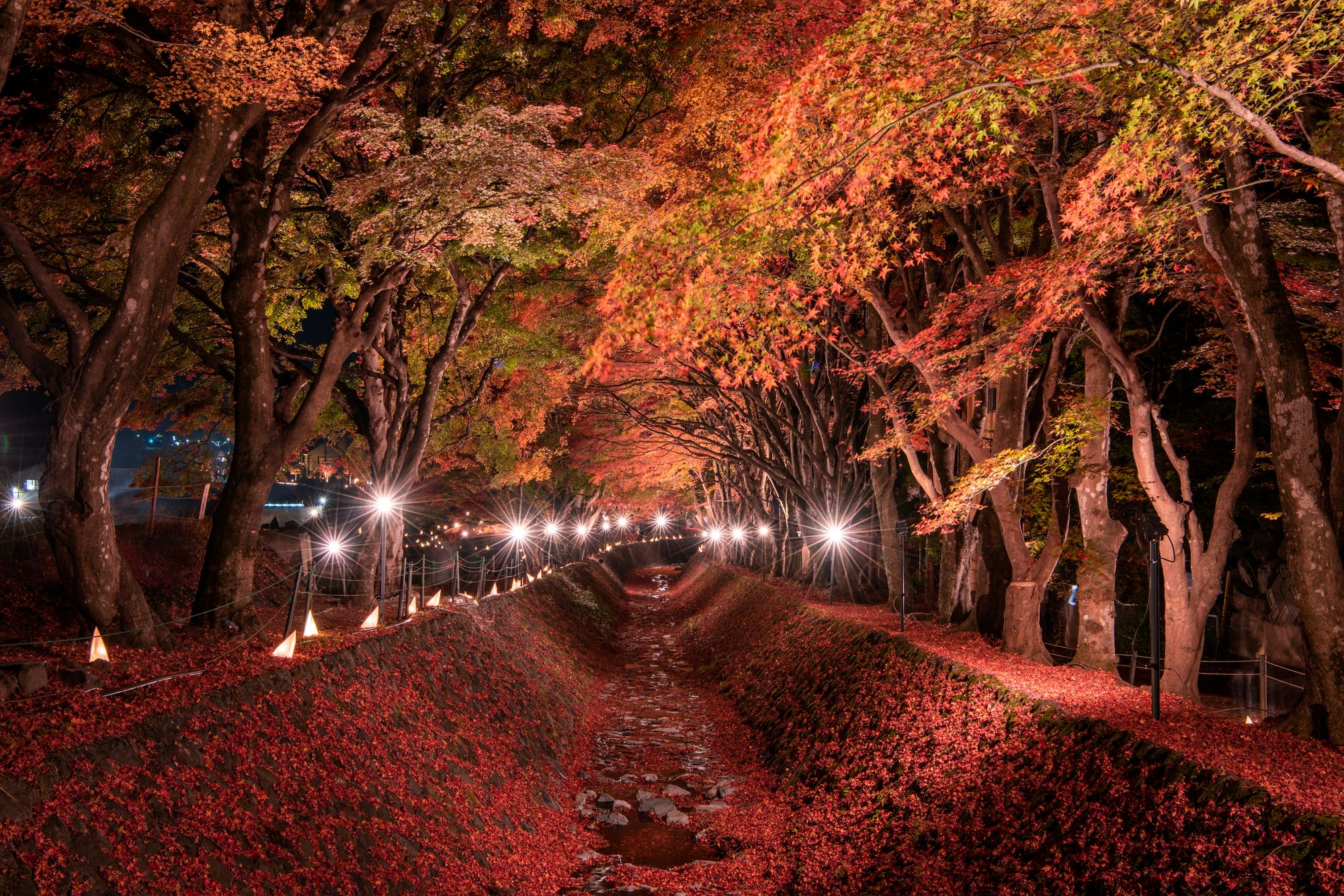
Momiji Kairo and the Maple Tunnel: The Main Event in Autumn Leaves turn from late October through late November. The Maple Tunnel is a stretch of road where maple branches arch overhead, and it is one of the few places where fall color, the lake, and Mt. Fuji line up in a single frame . The Fujikawaguchiko Autumn Leaves Festival runs at the same time, with evening illumination. Outside of autumn, the tunnel frames Mt. Fuji in fresh green.
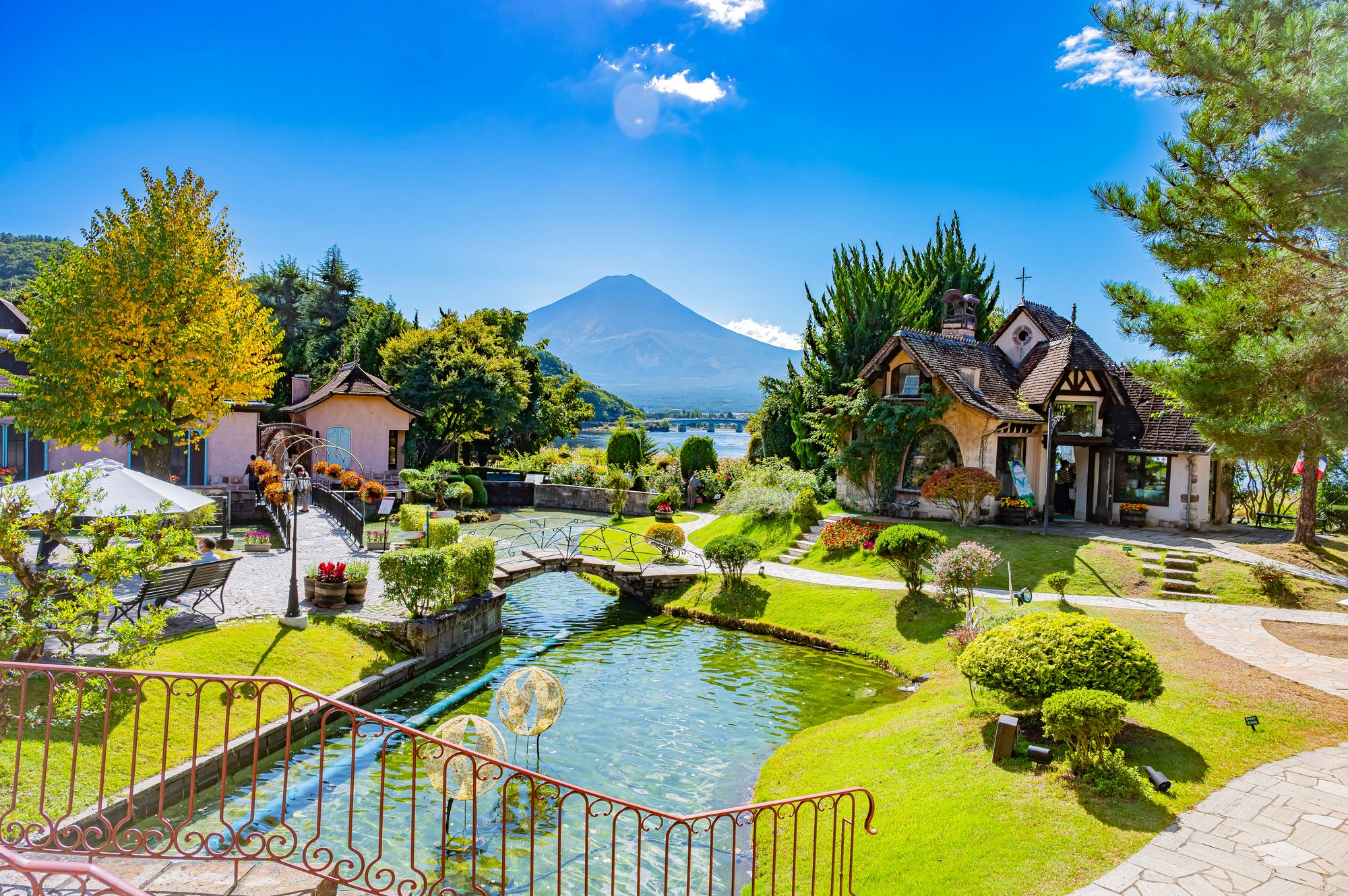
Kawaguchiko Music Forest Museum: Music Boxes and a Garden A museum of music boxes and automatic instruments, with scheduled performances on a dance organ and a self-playing violin. The garden looks out toward Mt. Fuji , and visitors can rent a dress and walk the grounds. The restaurant and shops are worth time of their own: Cremia soft-serve served in a langue de chat cone, churros shaped like musical notes, a European-style café, and a shop that specializes in high-end music boxes.
Address 3077-20 Kawaguchi, Fujikawaguchiko, Yamanashi Phone 0570-010-223 Hours 10:00–17:30 (last entry 17:00) Closed Irregular (see the calendar on the official site) Admission 1,800 yen adults, 1,300 yen college and high school students, 1,000 yen elementary and junior high students (higher on weekends and peak days) Time needed About 1.5 hours, longer with a meal or the dress experience Website Official site (English)
Kawaguchiko Konohana Museum: The World of Dayan the Cat This museum collects the work of picture-book artist Akiko Ikeda, whose cat Dayan lives in the imagined land of Wachifield. It holds one of the largest Dayan shops in Japan, carrying everything from stationery to clothing, and the attached café, Olson’s Strawberry, serves cakes made with fresh strawberries.
Address 3026-1 Kawaguchi, Fujikawaguchiko, Yamanashi Phone 0555-76-6789 Hours March–November 10:00–17:00; December–February 10:00–16:00 Closed Open year-round Admission 500 yen adults and college students, 400 yen junior and senior high students (free for elementary school and under with an adult) Time needed 30 minutes to 1 hour Website Official site (English)
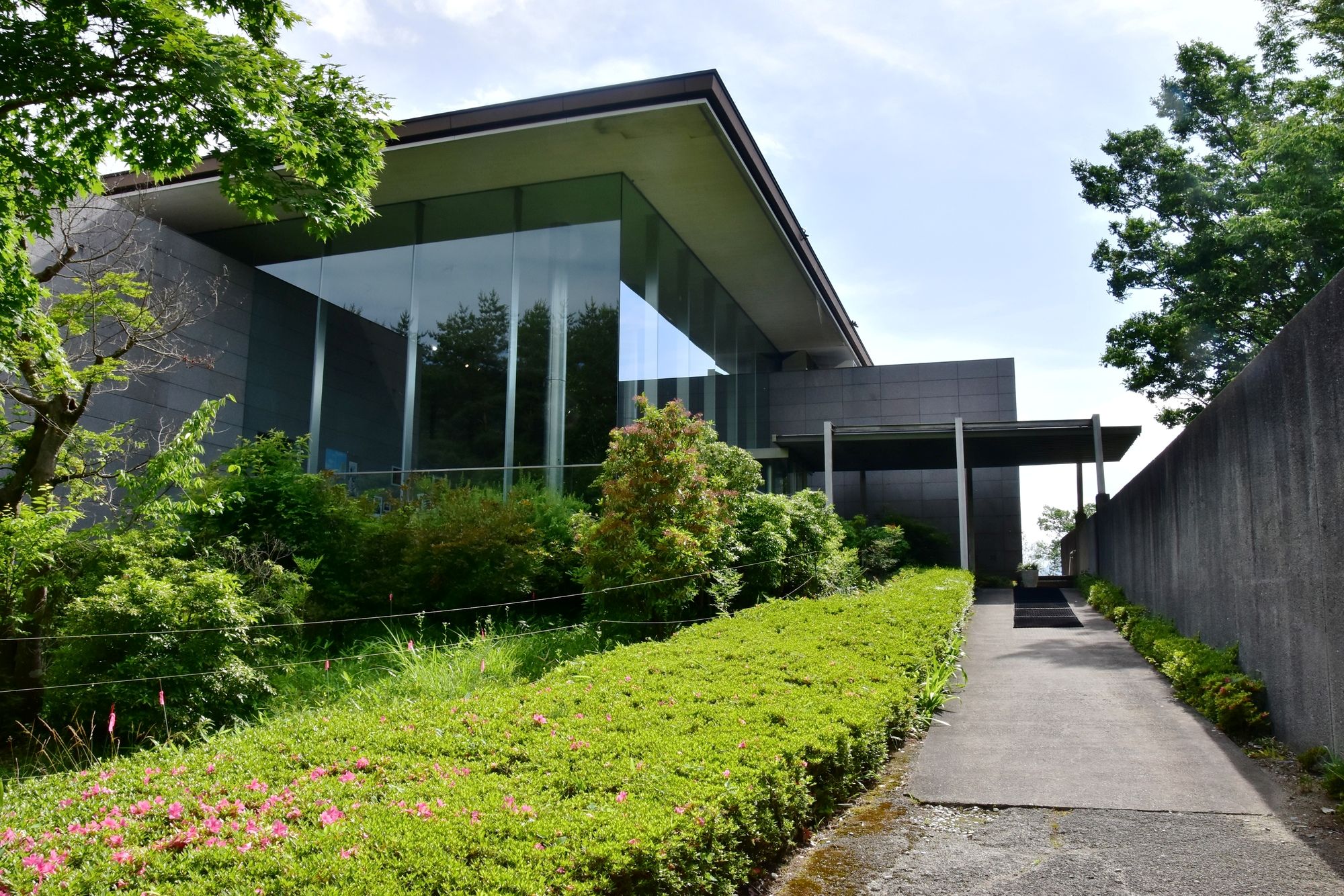
Kawaguchiko Museum of Art: Works That Take Mt. Fuji as Their Subject A town-run museum holding paintings, prints, and photographs of Mt. Fuji. Exhibitions rotate, so the mountain looks different each time you visit. The building stands on the lakeshore, and the view through the windows reads almost as part of the collection. The shop carries Mt. Fuji goods, goshuin books printed with Edo-period ukiyo-e, and postcards.
Address 3170 Kawaguchi, Fujikawaguchiko, Yamanashi Phone 0555-73-8666 Hours 9:30–17:00 (last entry 16:30) Closed Tuesdays, and during exhibition changeovers Admission Special exhibitions: 800 yen adults and college students, 500 yen junior and senior high students. Collection exhibitions: 500 yen and 300 yen (free for elementary school and under) Time needed 30 minutes to 1 hour Website Official site (Japanese)
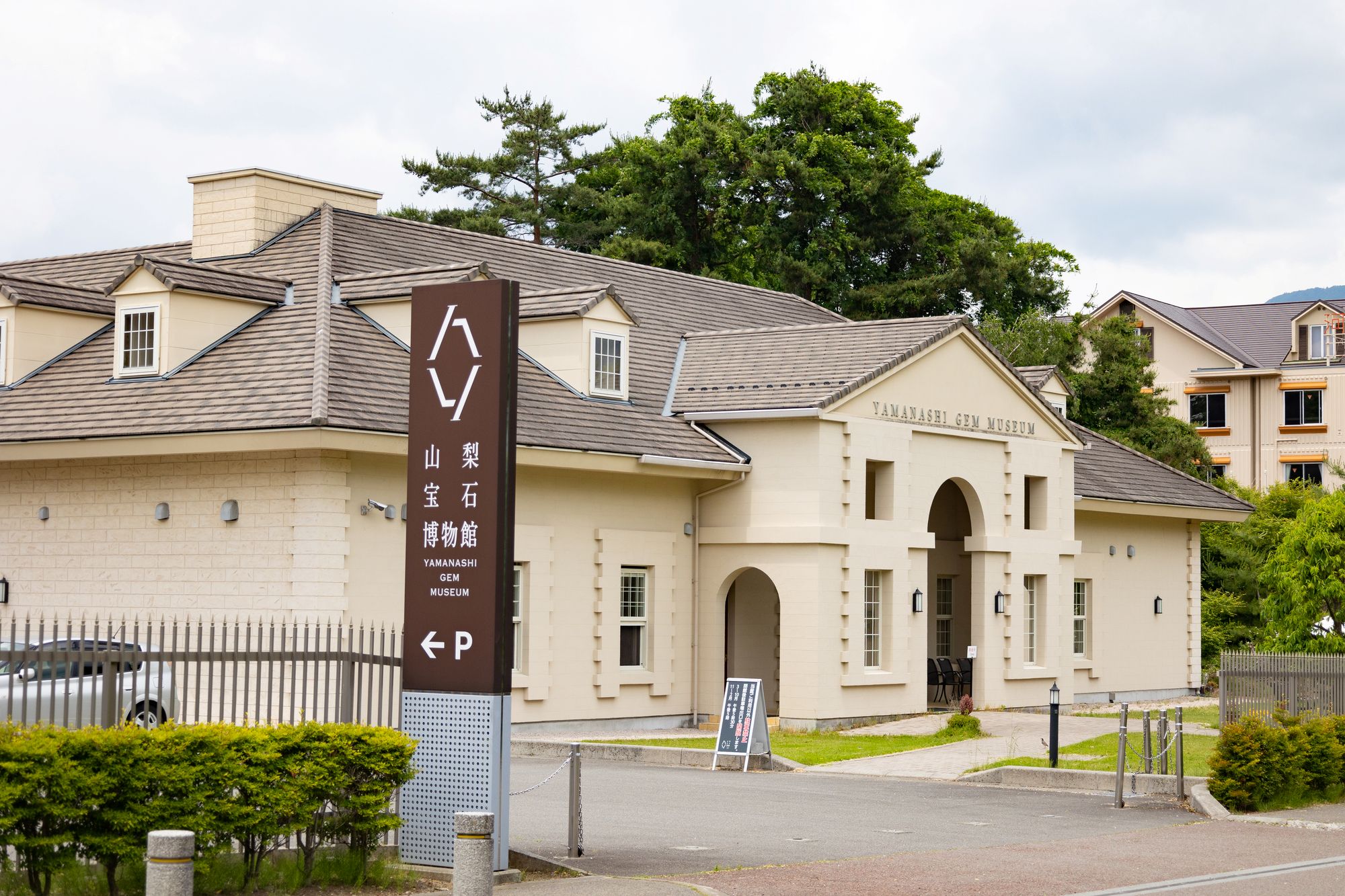
Yamanashi Gem Museum: More Than 2,000 Stones Yamanashi has long been a source of rock crystal, and gem cutting developed here as a result. The museum builds on that history, showing rough stones beside the finished pieces across a collection of more than 2,000 items. The shop ranges from inexpensive natural-stone goods to finished jewelry, including original pendants set with amethyst and blue topaz.
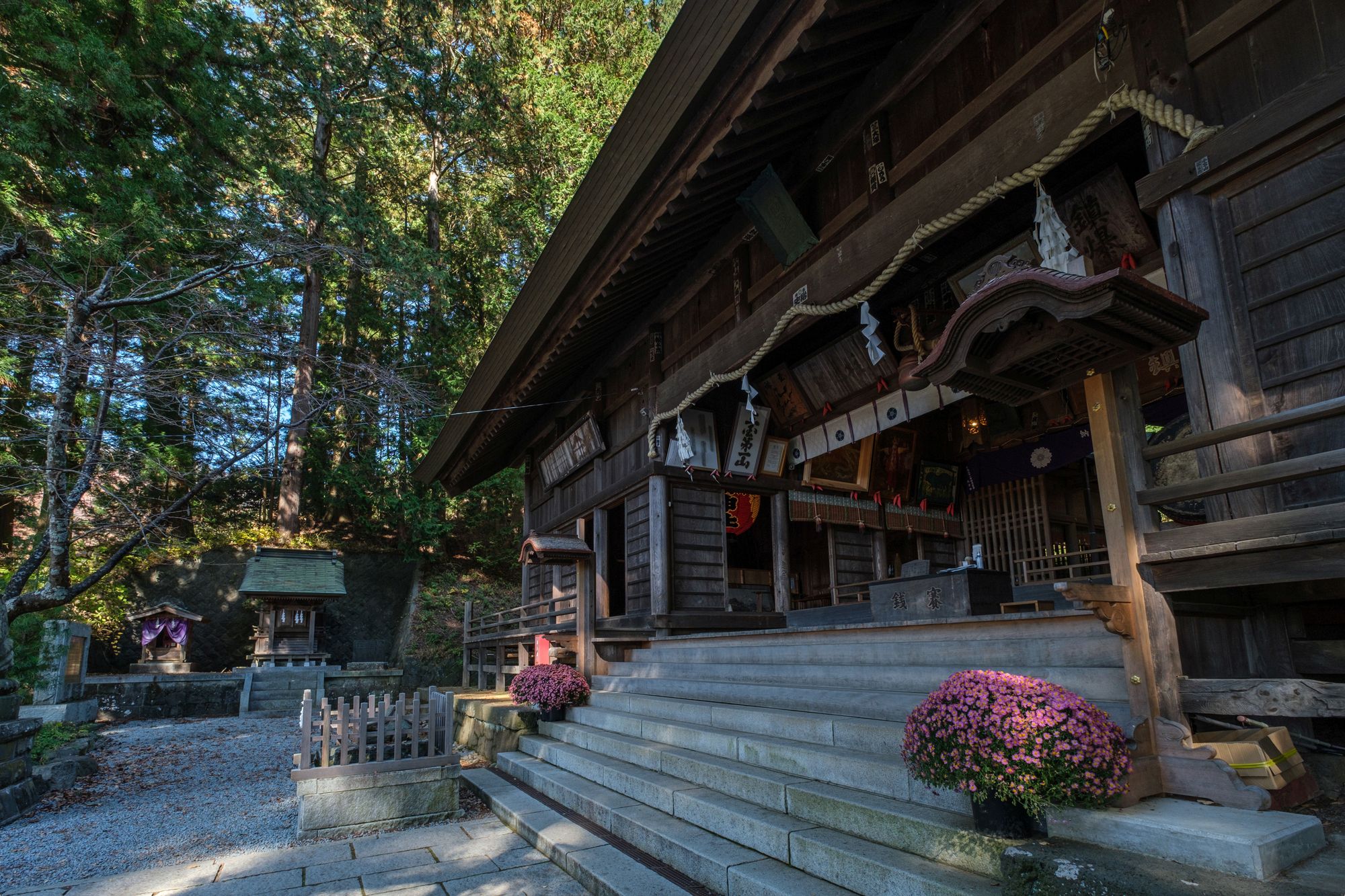
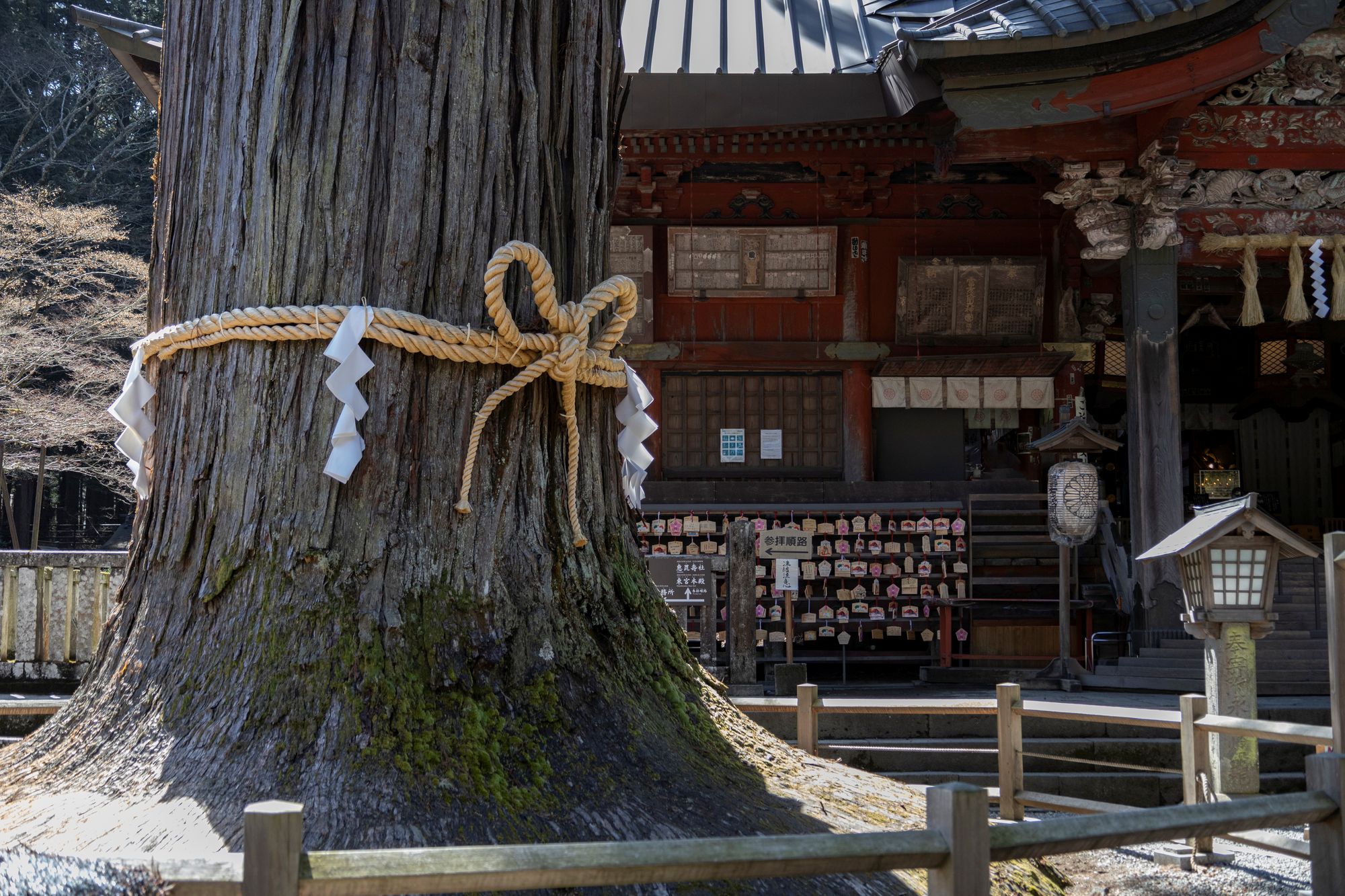
Kawaguchi Asama Shrine: Fuji Worship and 1,200-Year-Old Cedars Mt. Fuji erupted in 864, and the shrine was founded the following year to enshrine Asama no Okami (Konohanasakuya-hime) and calm the mountain. In 2013 it became part of the World Heritage site Fujisan, Sacred Place and Source of Artistic Inspiration. The seven cedars, all around 1,200 years old , are the main draw; several exceed 40 meters, and the tallest, No. 5, reaches 47.5 meters. Each has a name and a story, among them the Sansha cedar associated with safe childbirth and the Futahashira cedars, two trunks that share one root. The approach from the great torii is lined with cedars 500 to 800 years old.
Things to Do on the Lake Lake Kawaguchiko is not only for looking at. Get out on the water and Mt. Fuji reads at a completely different scale. Most activities are guided, so no equipment or experience is required.
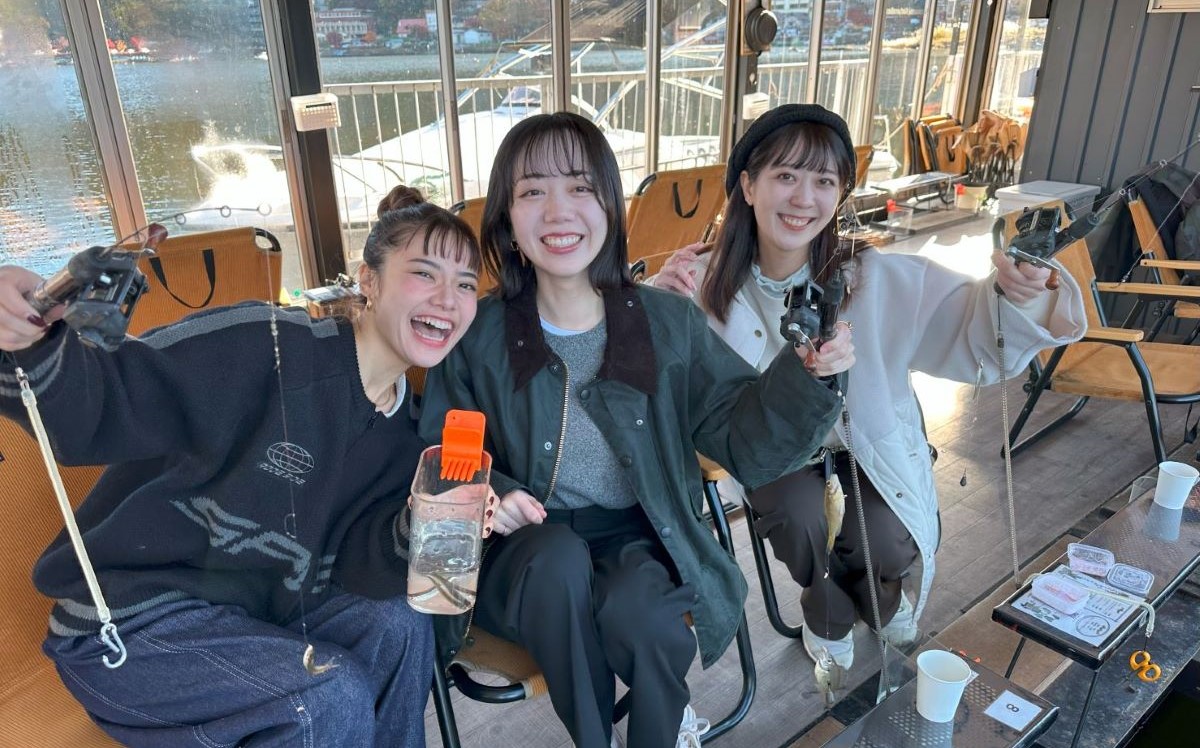
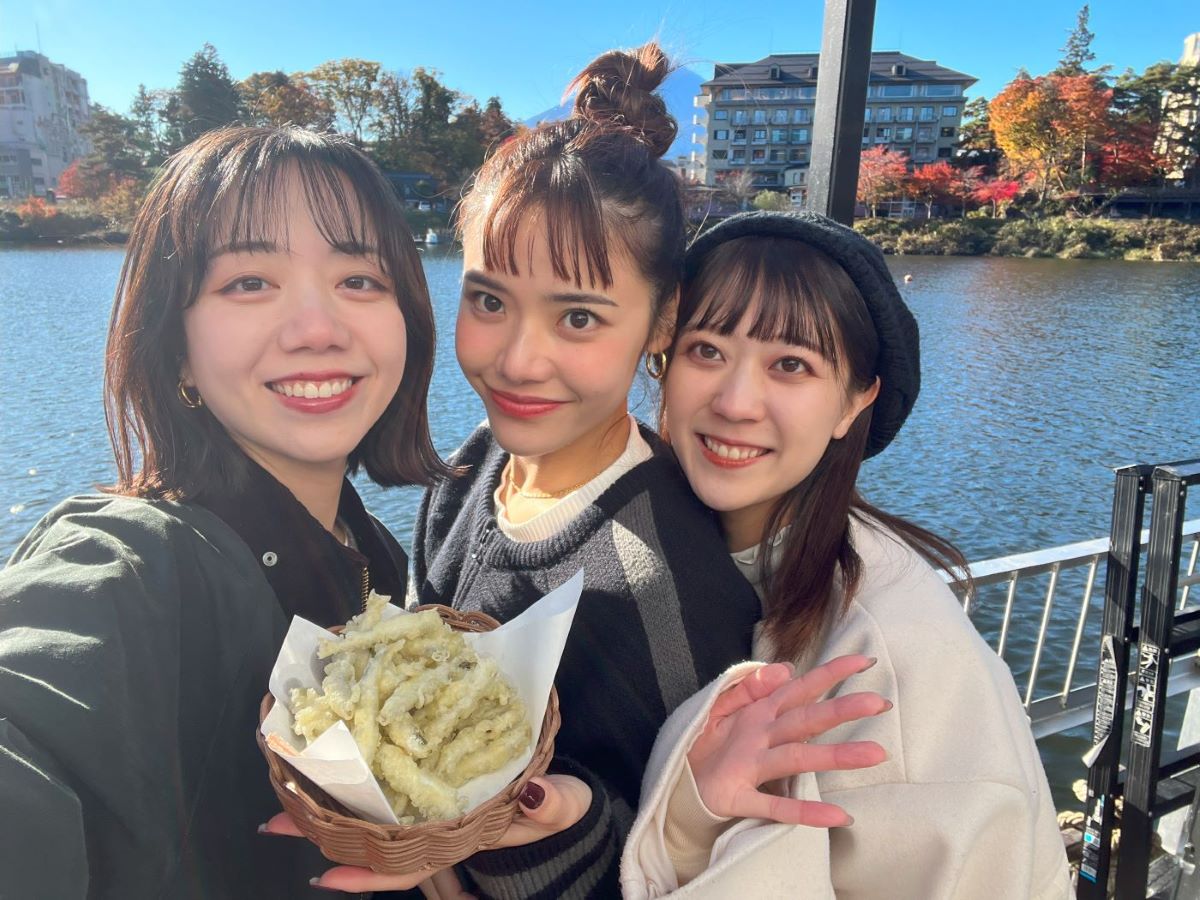
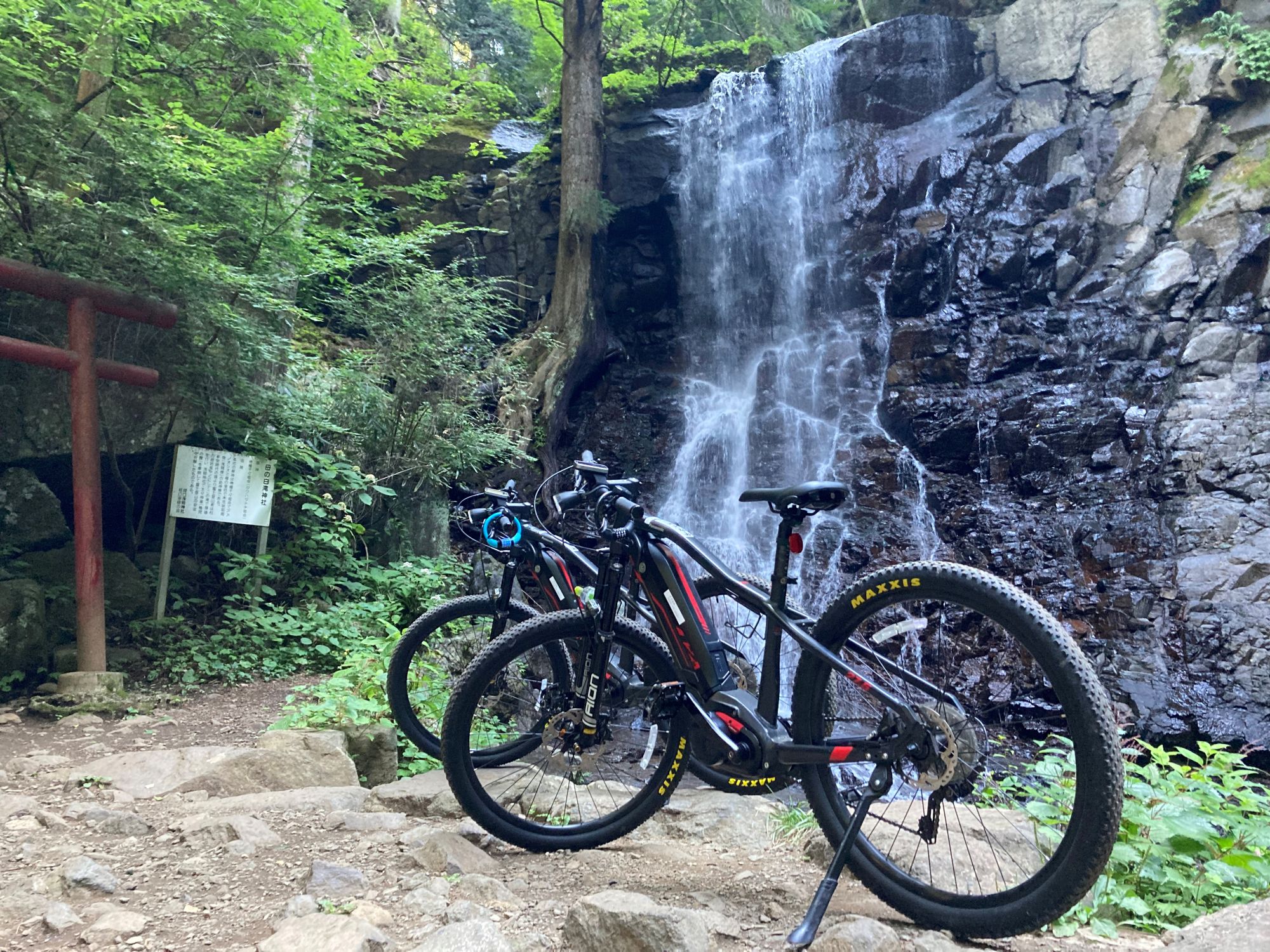
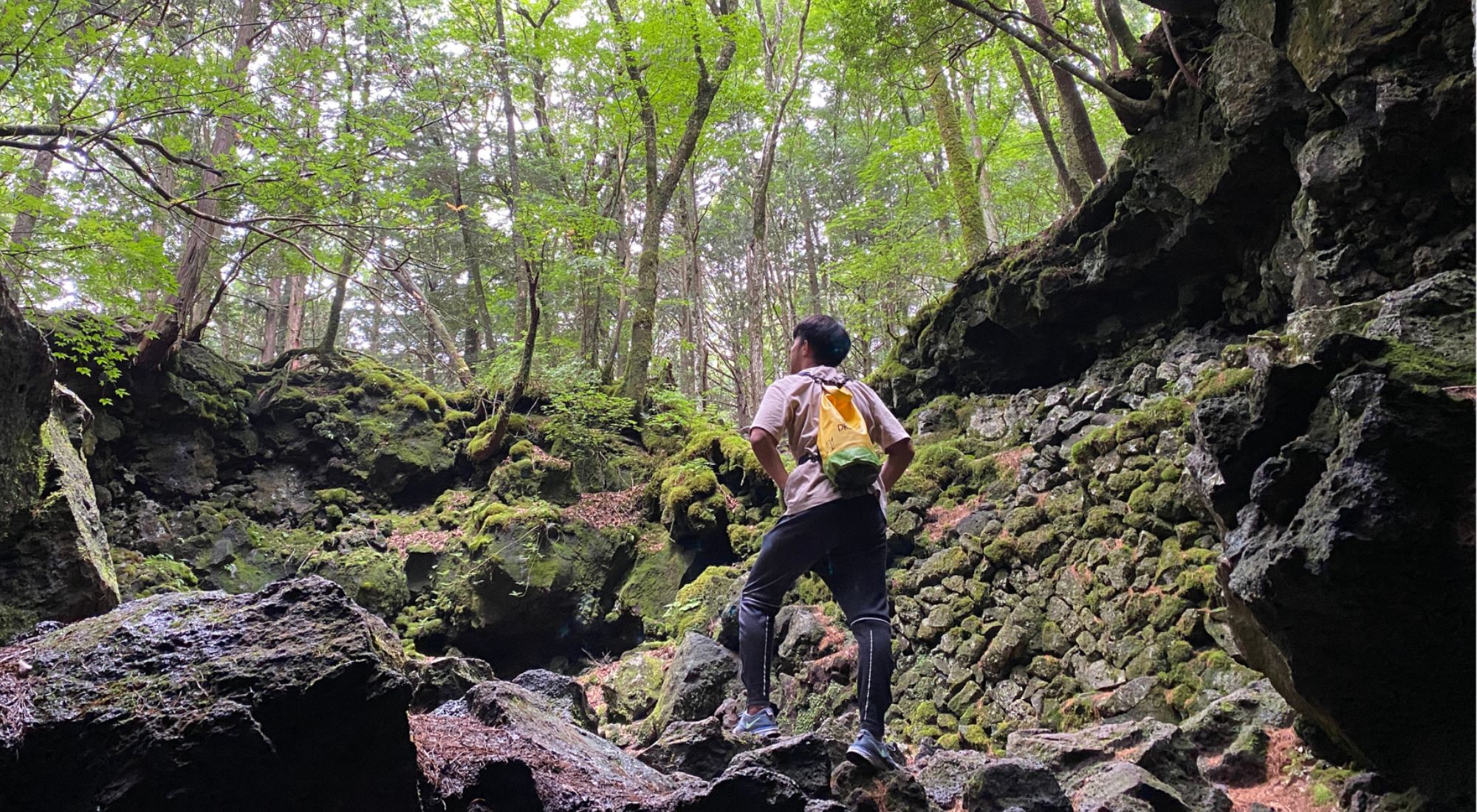
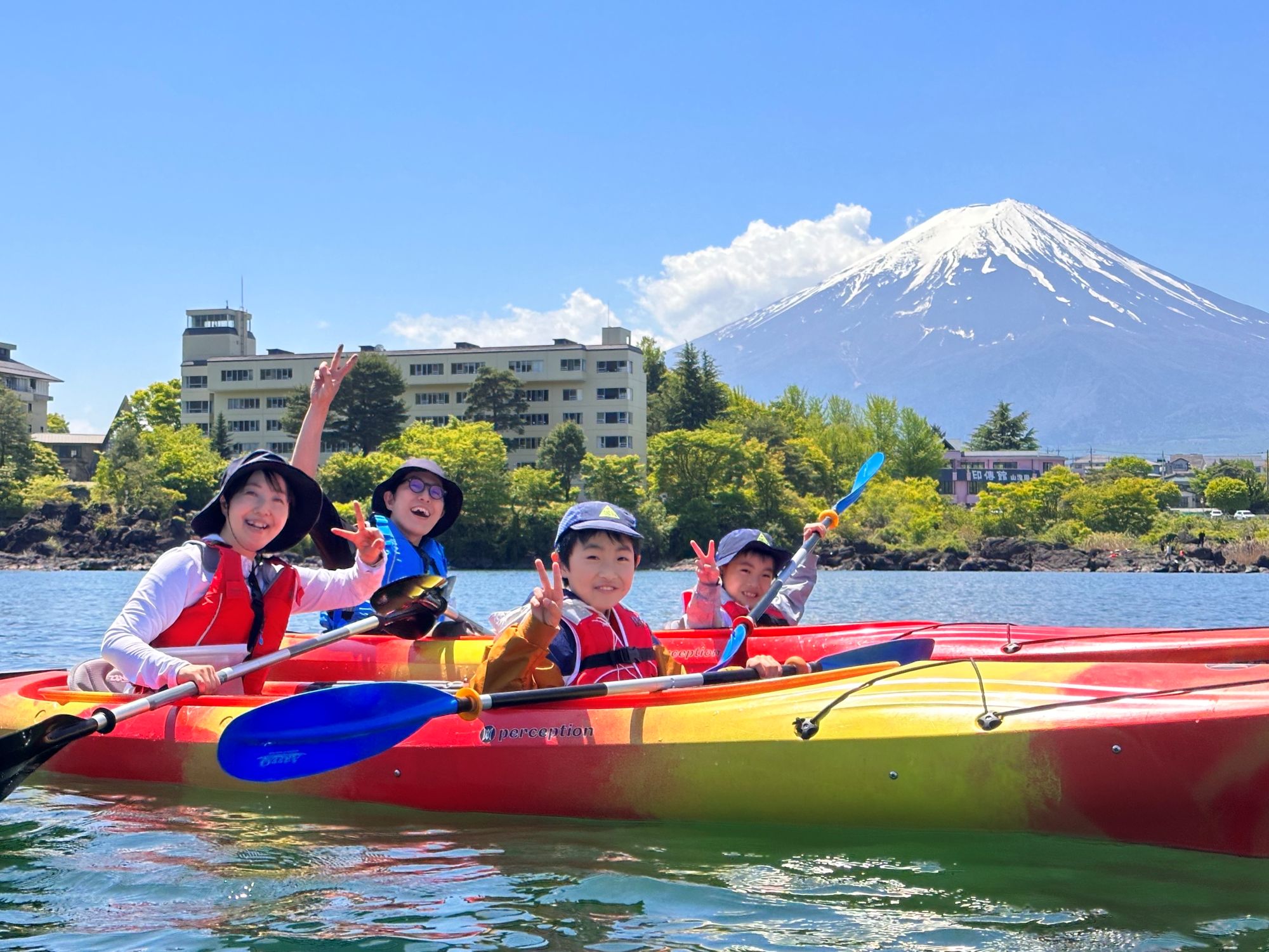
Activity What it involves Time Kayaking Paddle out with a guide and look up at Mt. Fuji from just above the water. Early-morning departures are available About 1.5 hours Cruising A short, fast run across the lake, or a private charter with drinks 15 to 45 minutes Smelt fishing Fishing from a heated dome boat, a winter fixture on the lake. The catch can be eaten on board 1.5 hours, 3 hours, or a full day Swan boats Two to four people per boat, at your own pace Flexible Bike rental Ride the lakeside road and stop wherever the view is good Flexible Aokigahara forest walk Walk the Aokigahara forest with a guide, over lava and moss Half a day
Most tours run around 6,000 yen for adults; smelt fishing starts at 3,500 yen, and swan boats are about 2,000 yen for two people. NaturaBase Yamanashi, based in Funatsu on the south shore, handles all of these, so you can book kayaking, fishing, and the forest walk in one place. Hours are 9:00 to 18:00.
Related article Complete Guide to Outdoor Adventures at NaturaBase! 【Summary Edition】 Located at the foot of Mt. Fuji, a UNESCO World Cultural Heritage Site, Yamanashi offers a rich natural environment perfect for outdoor adventures. And at Na… What to Eat Around Lake Kawaguchiko The area has both Yamanashi’s own country cooking and restaurants where you eat with the lake in view.
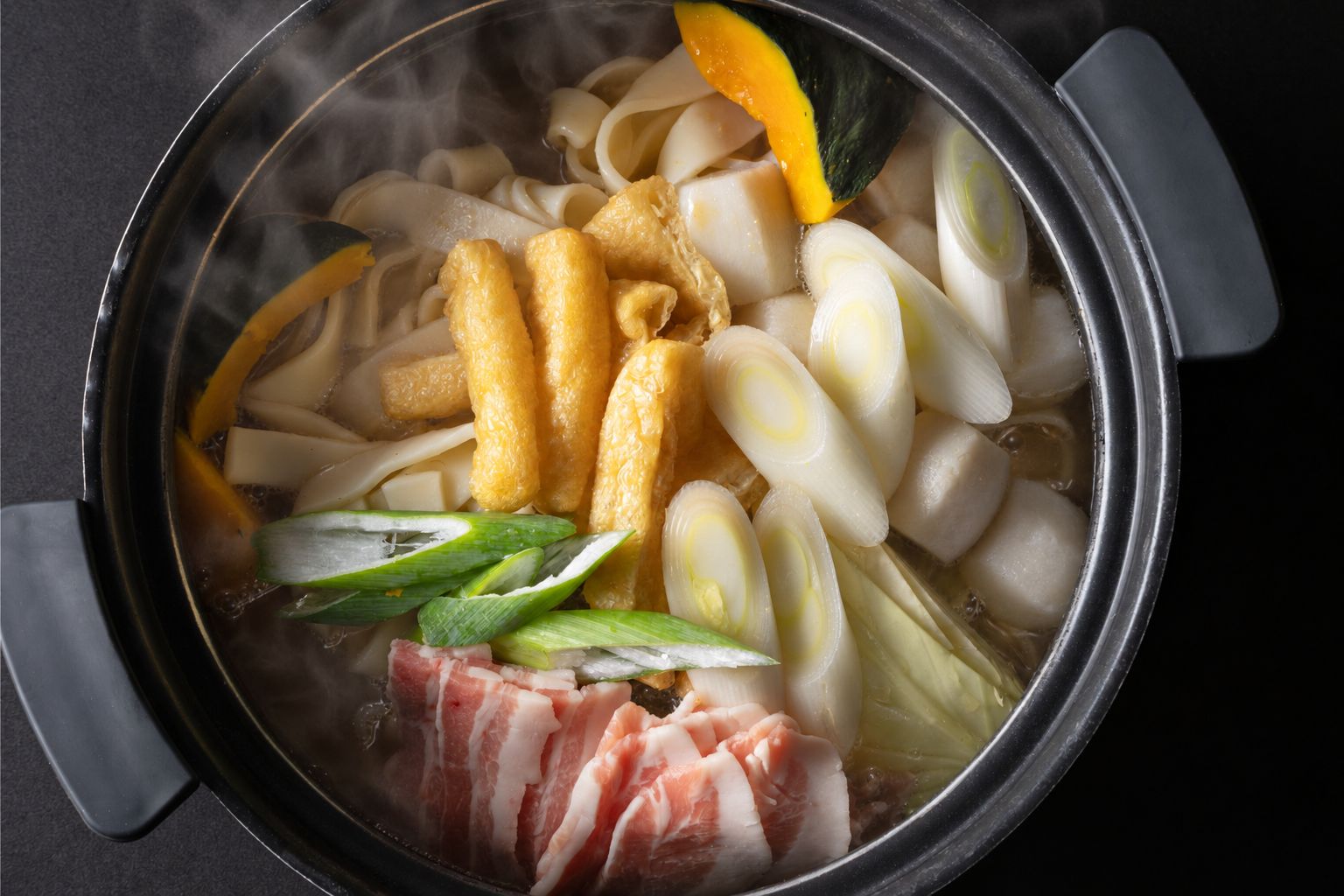
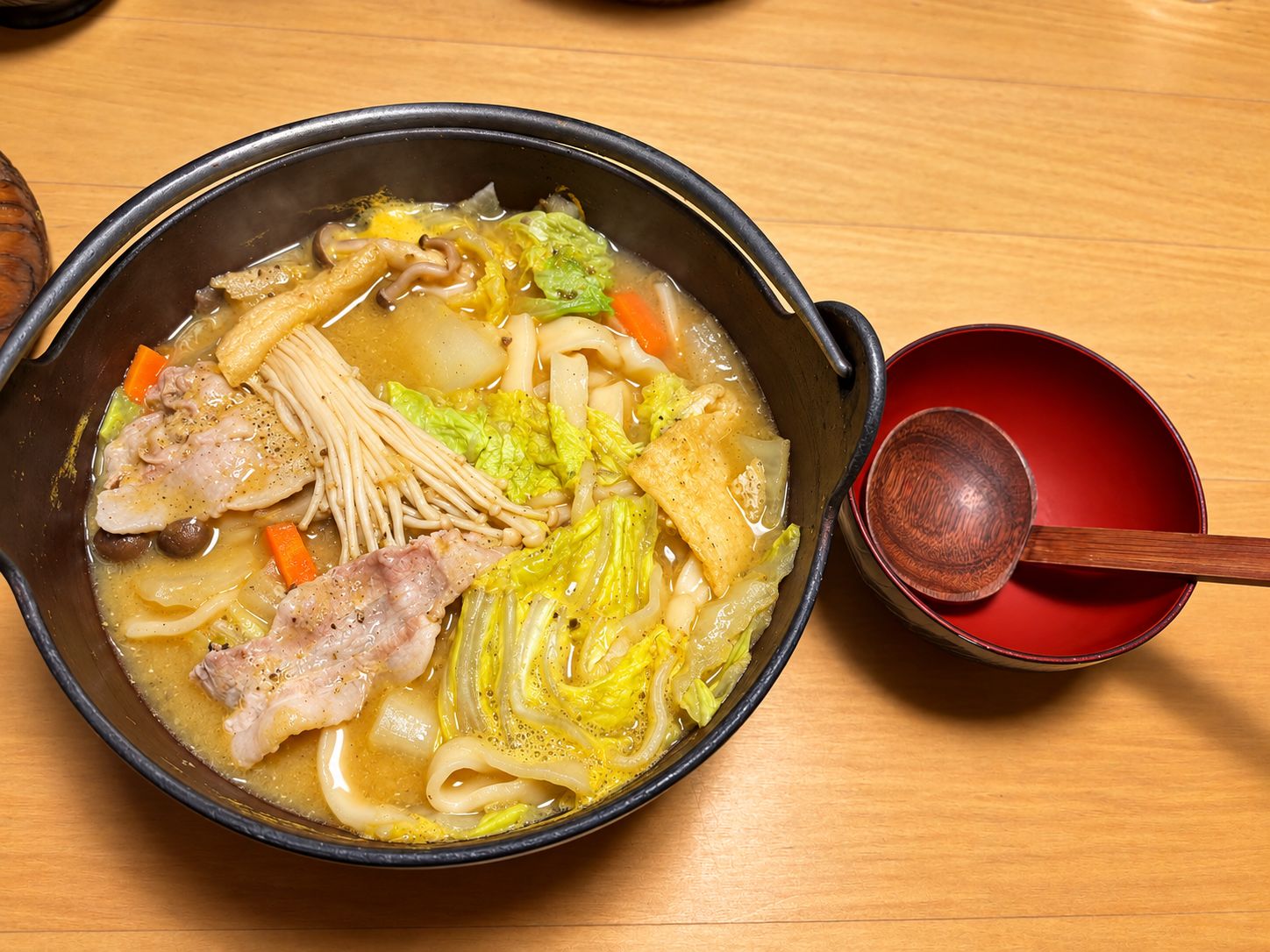
Hoto: The Dish to Try First Flat wheat noodles simmered with pumpkin in miso broth, the signature dish of Yamanashi. The noodles go into the pot without resting, which thickens the broth. There are many well-known shops around the lake; Hoto-gura Narinari draws the longest lines, with a miso broth that is slow-simmered and mild.
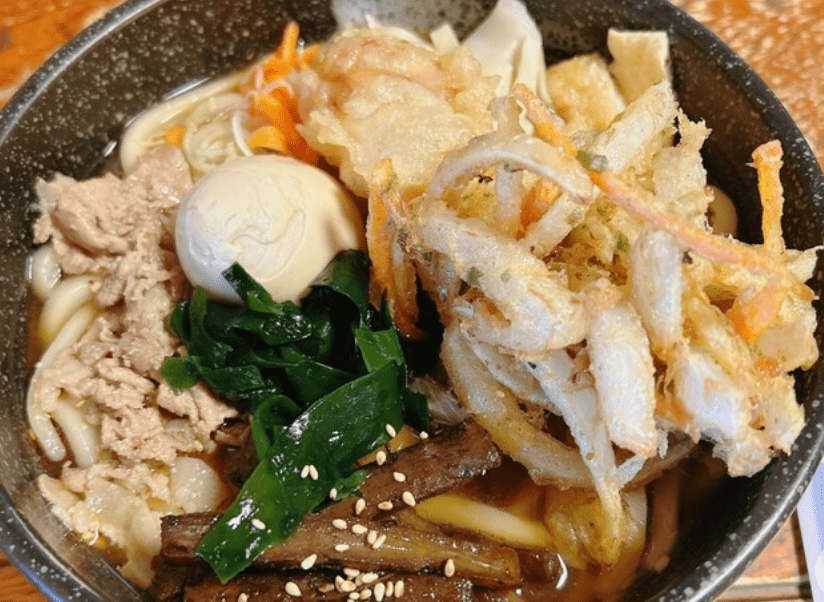
Yoshida Udon: Known for Its Chewy, Thick Noodles A style from Fujiyoshida City, about 20 minutes by car, said to be the firmest udon in Japan . It is served with horse meat and cabbage, and a chili-based condiment called suridane sharpens the bowl.
Cafés and Restaurants by the Lake Beyond hoto, the area has restaurants built around Yamanashi produce: beef and pork, fruit, and wine.
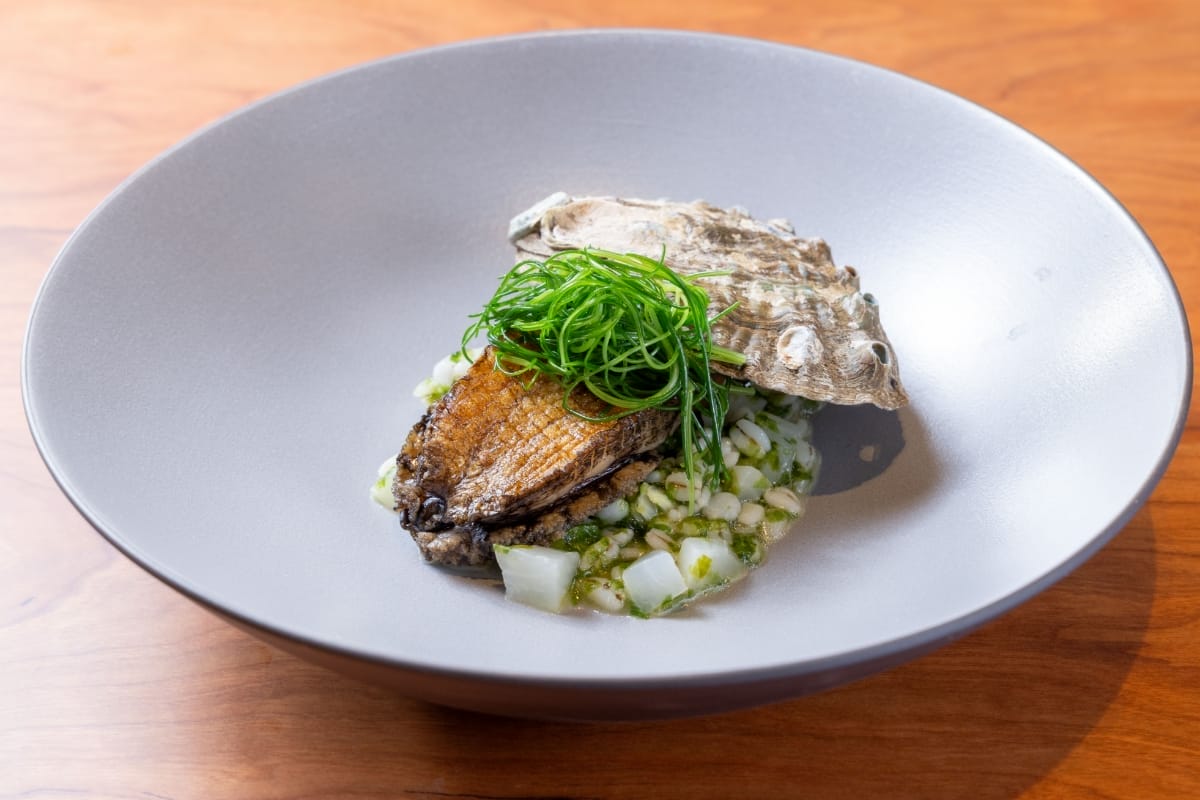
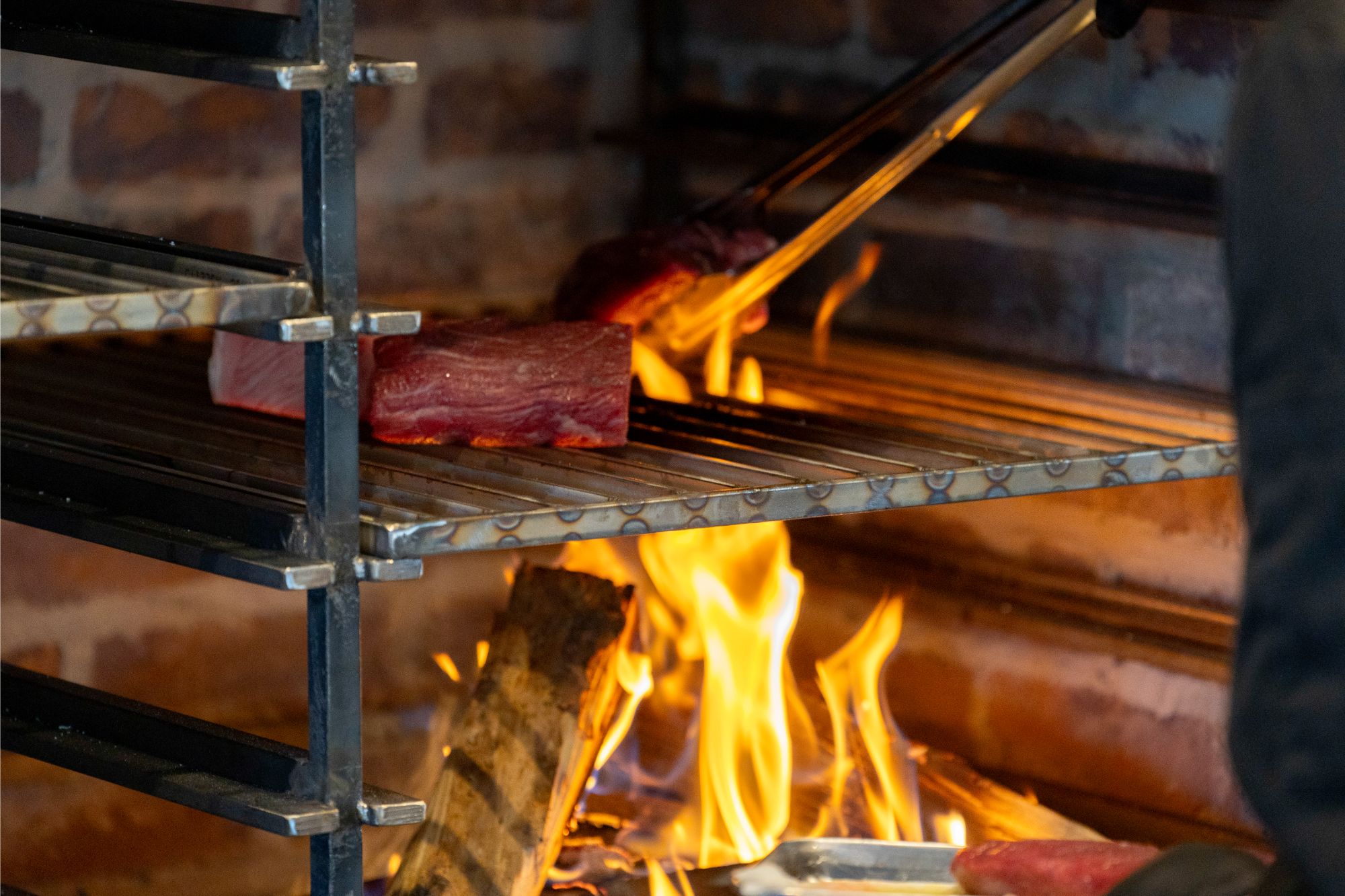
Expression Kawaguchiko Open from breakfast through late afternoon. The chef trained at a two-star restaurant in France and roasts Koshu beef, Koshu Fuji-zakura pork, and Koshu free-range chicken whole, then carves them at the table . In the afternoon the signature item is a Basque cheesecake made with lavender grown at Lake Kawaguchiko. The terrace seats are open to dogs, and coffee, lattes, and cheesecake are available to go.
HAMANASHI HOUSEBOAT The only restaurant on the lake itself. The boat leaves the pier at 17:00 and spends a little over two hours on a course paired with Yamanashi wine, with a pixel-art projection during the meal. It suits an anniversary or a birthday.
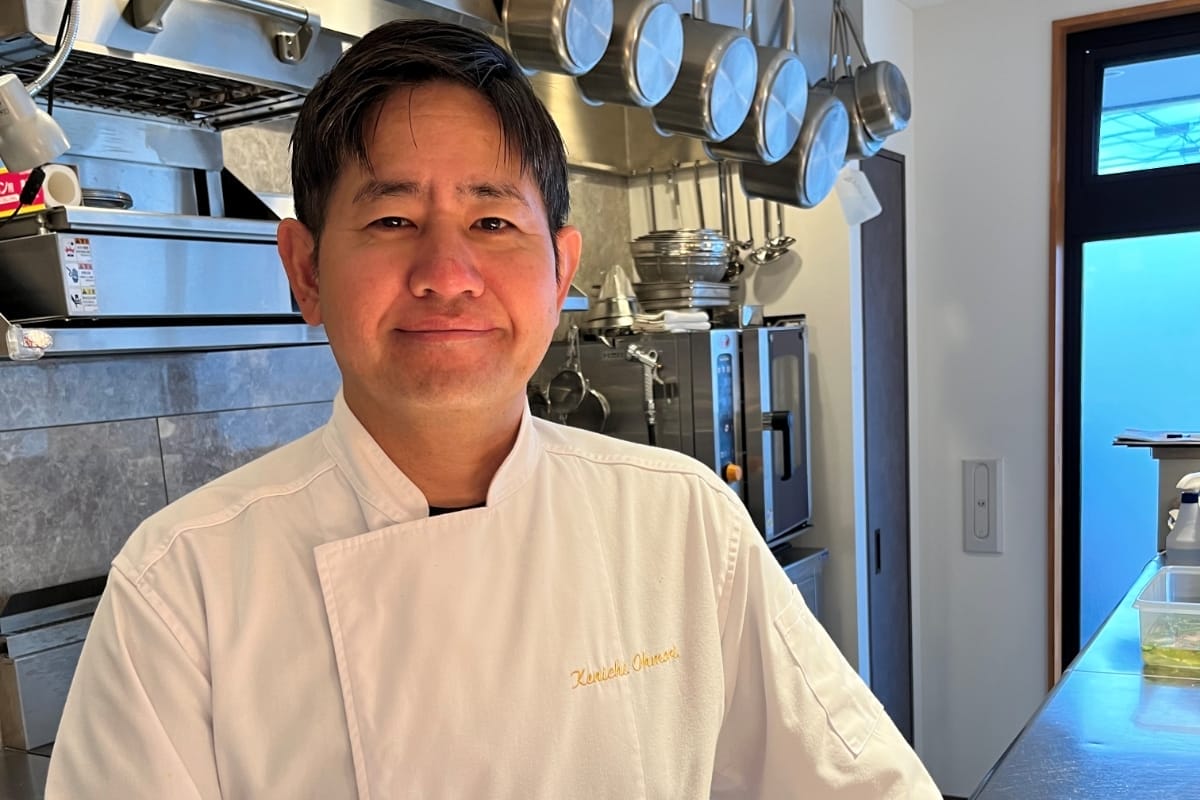
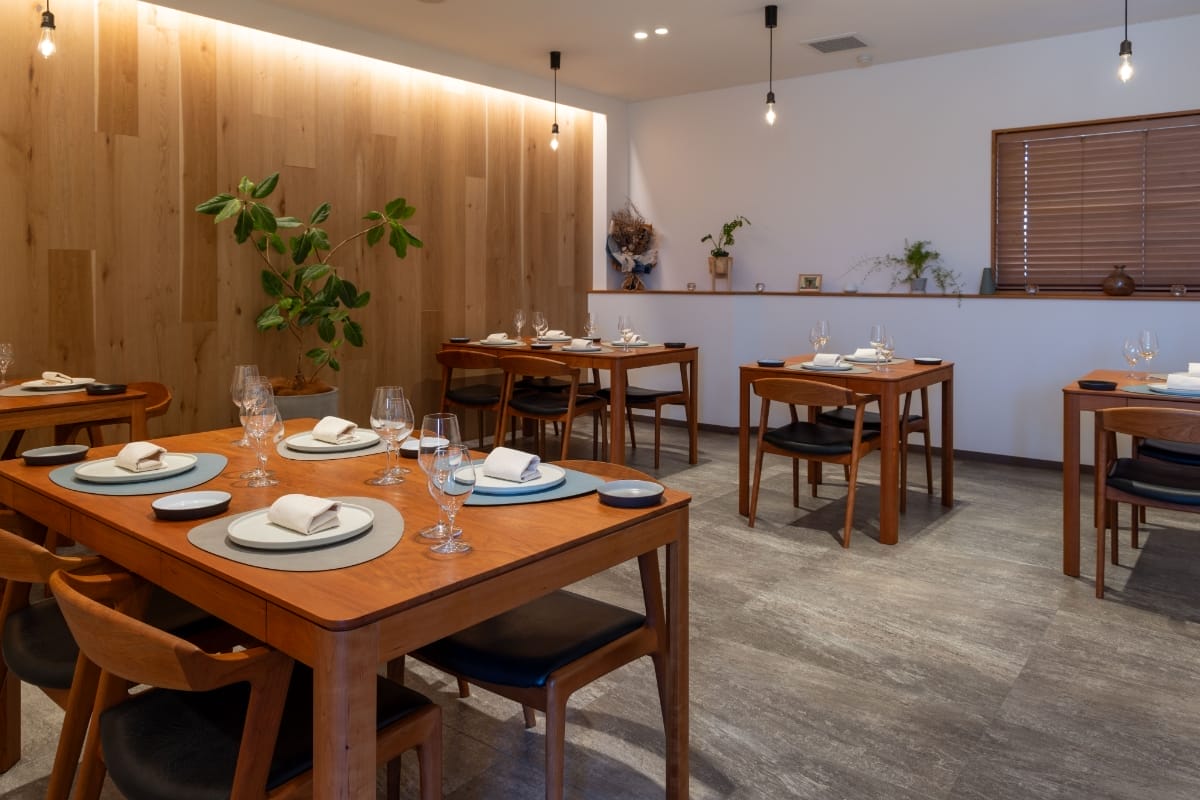
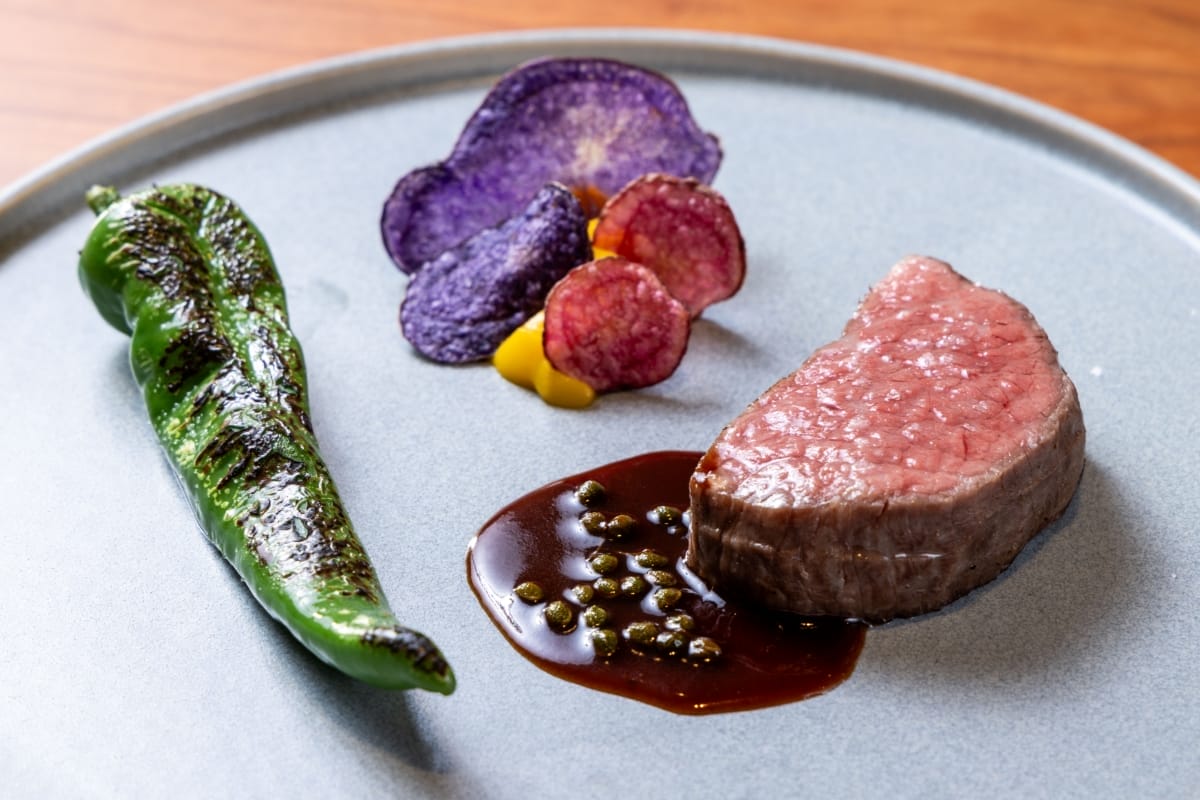
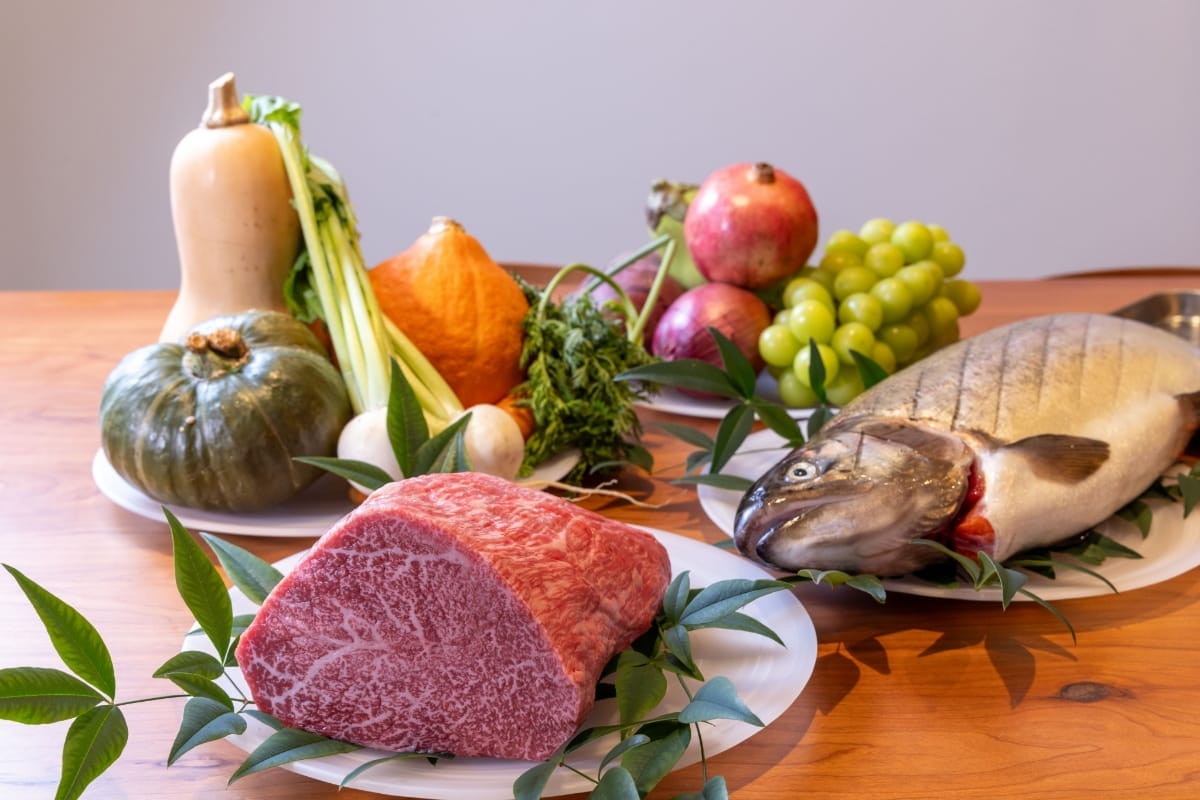
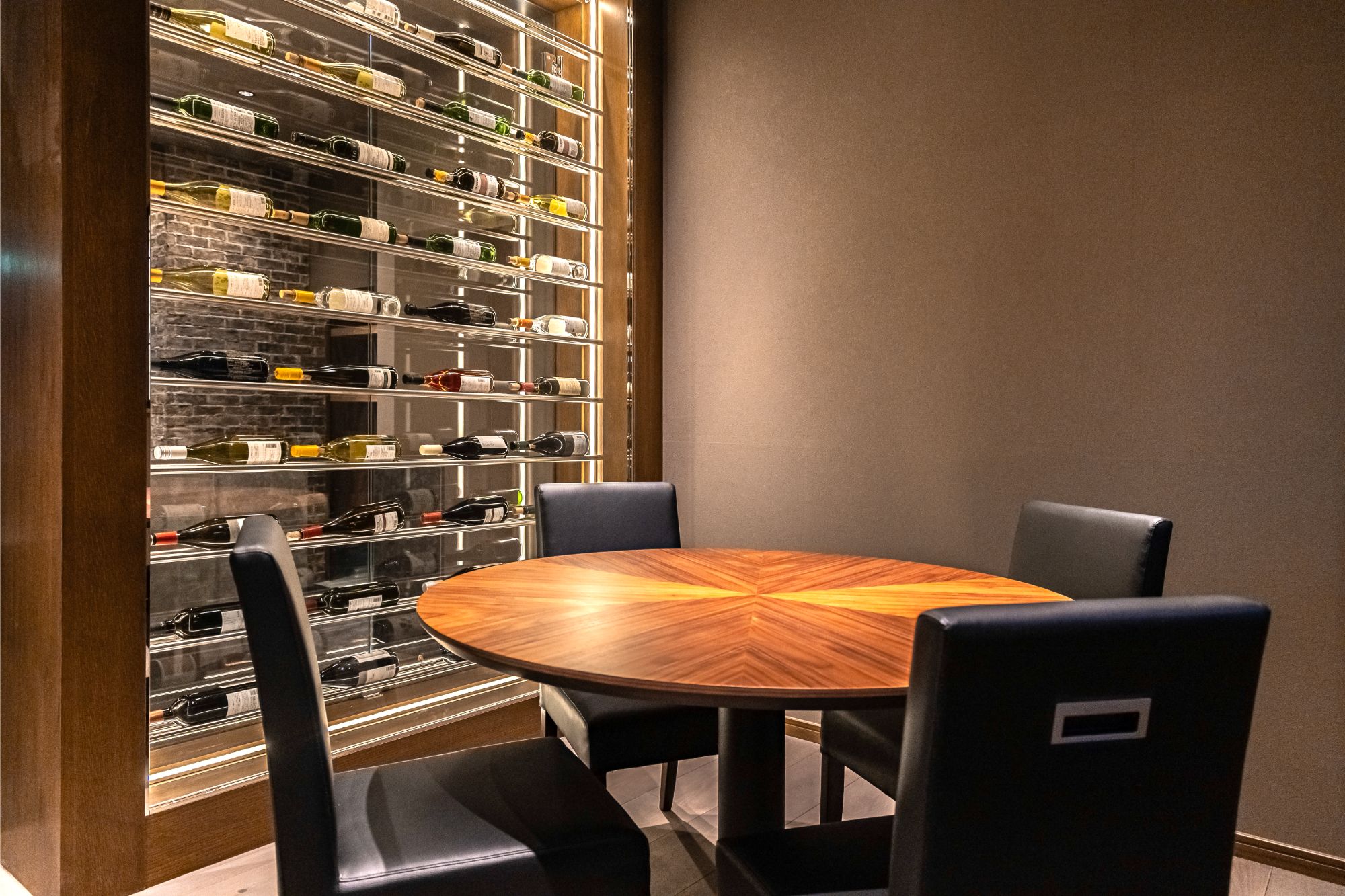
mieux restaurant For a longer dinner, this restaurant stocks 250 labels from Yamanashi and France. Chef Omori works with local meat, fish, vegetables, and fruit, and courses are served at lunch as well as dinner , with wine pairings available. He also caters private dinners at Residence Villa Kawaguchiko Lago.
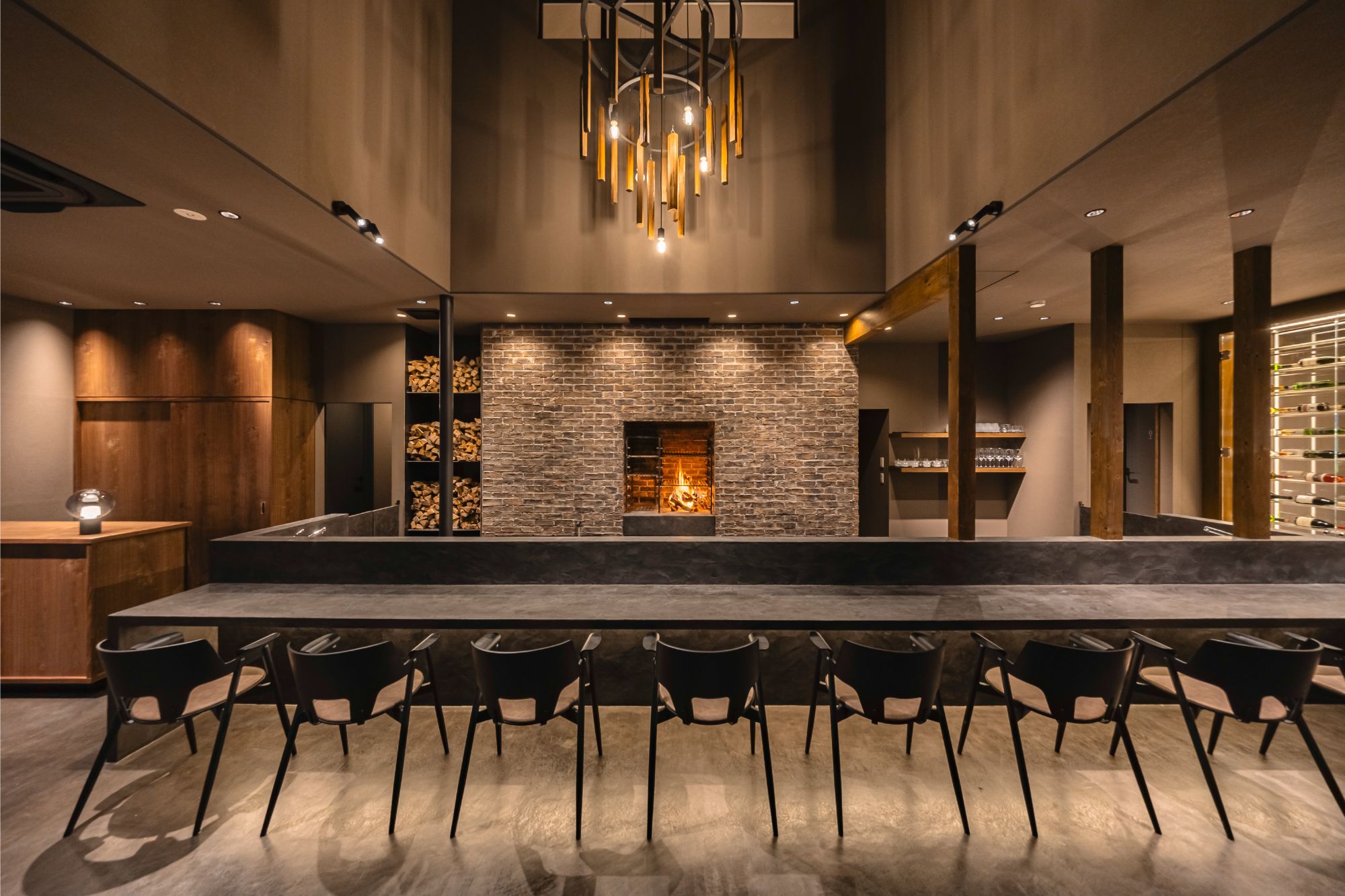
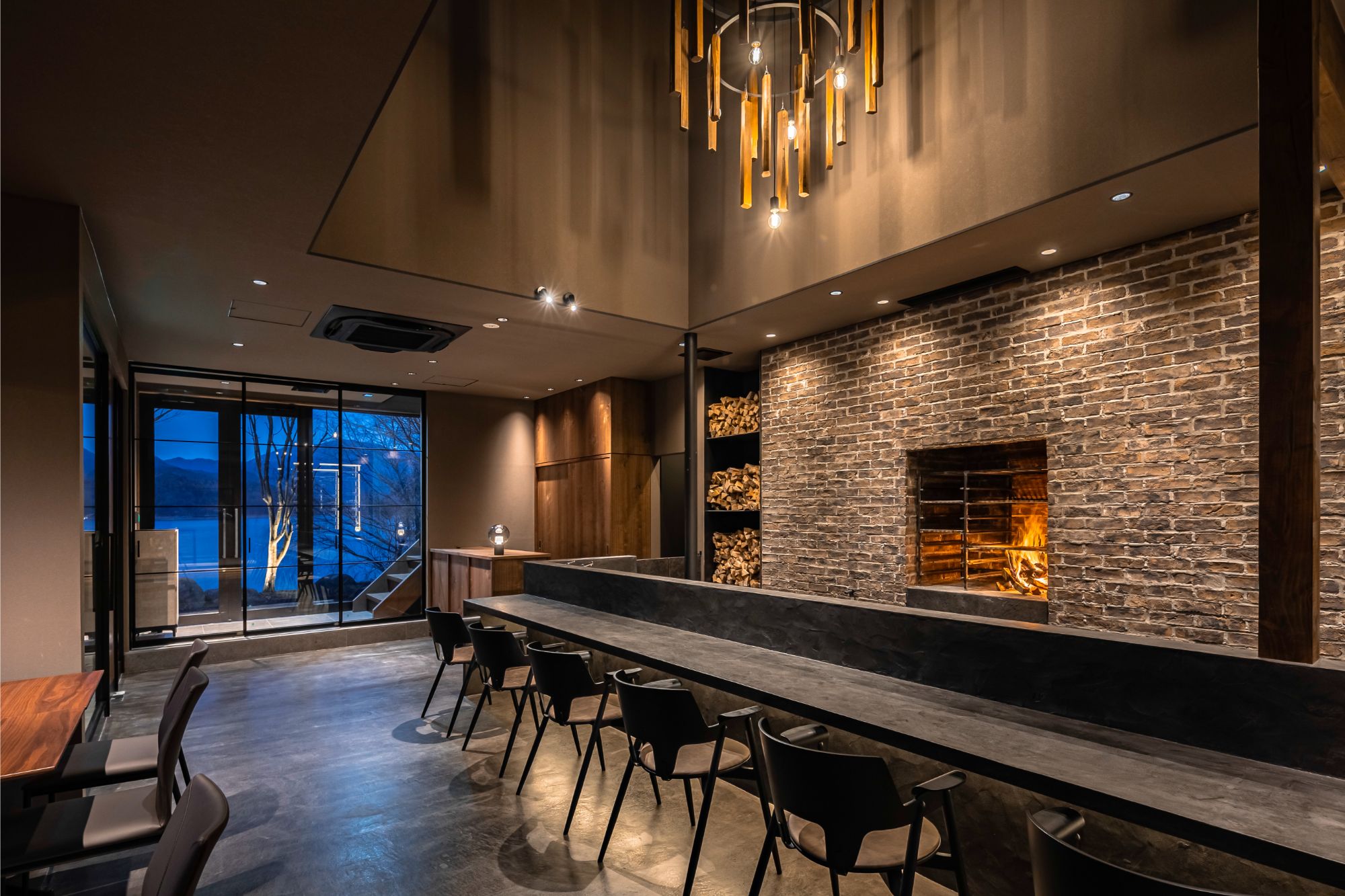
Sanrokuen Skewers and hoto cooked over an open hearth in a 150-year-old farmhouse. The charcoal smell fills the wooden rooms while the food grills in front of you, and the list of Yamanashi sake is long.
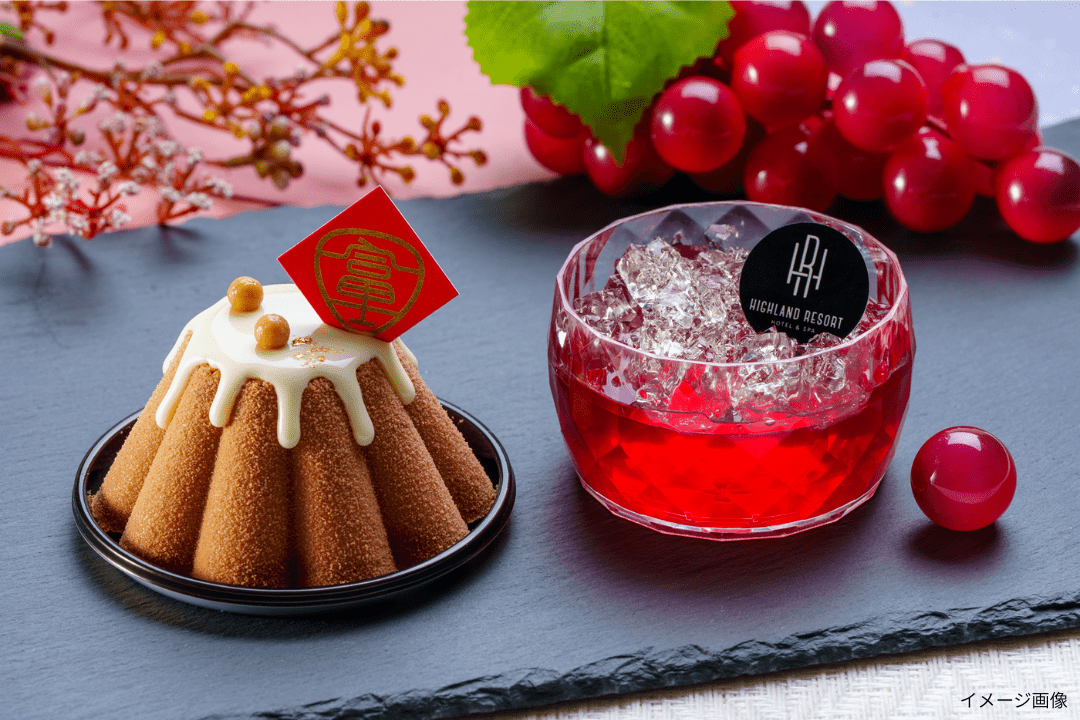
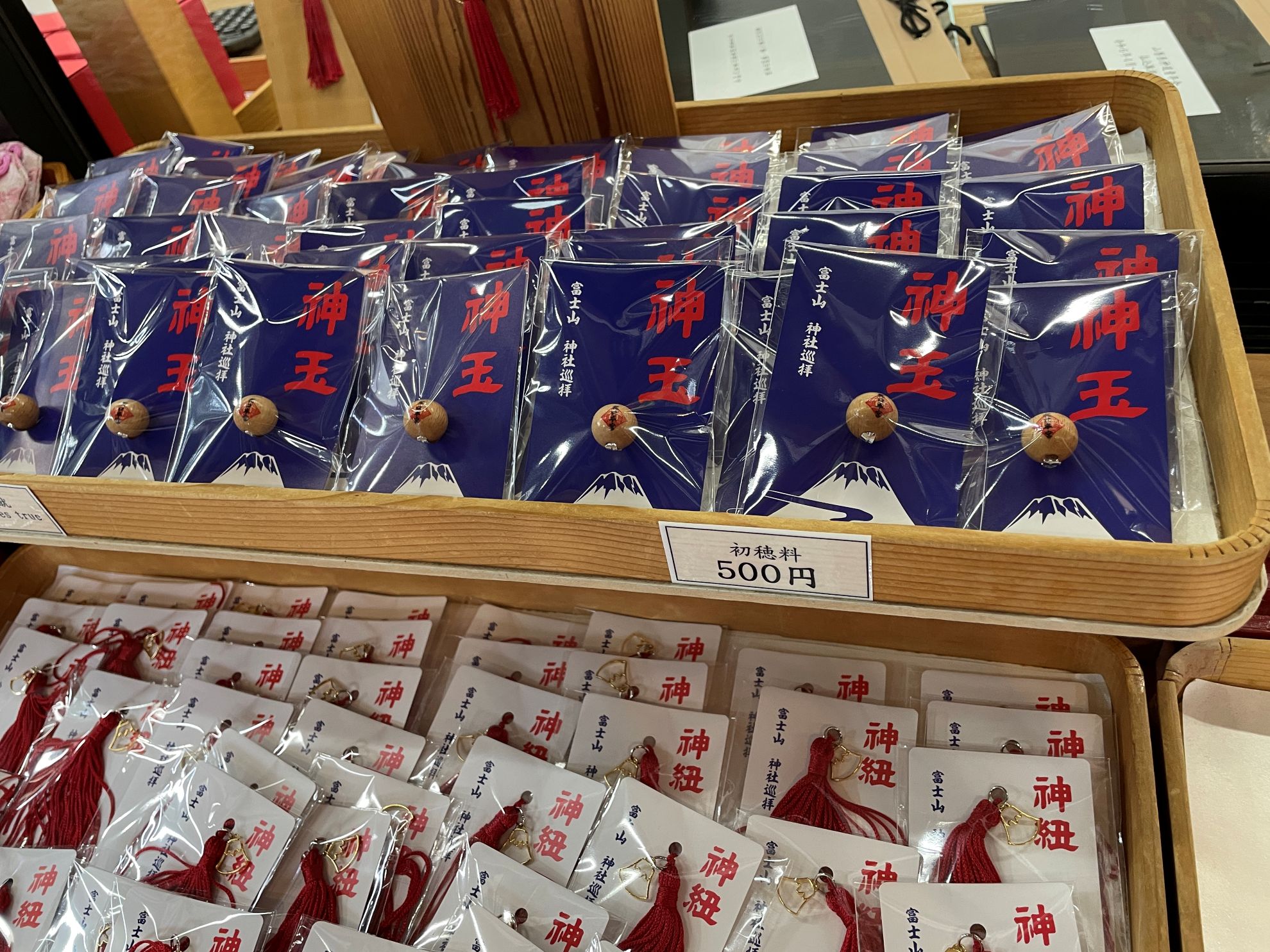
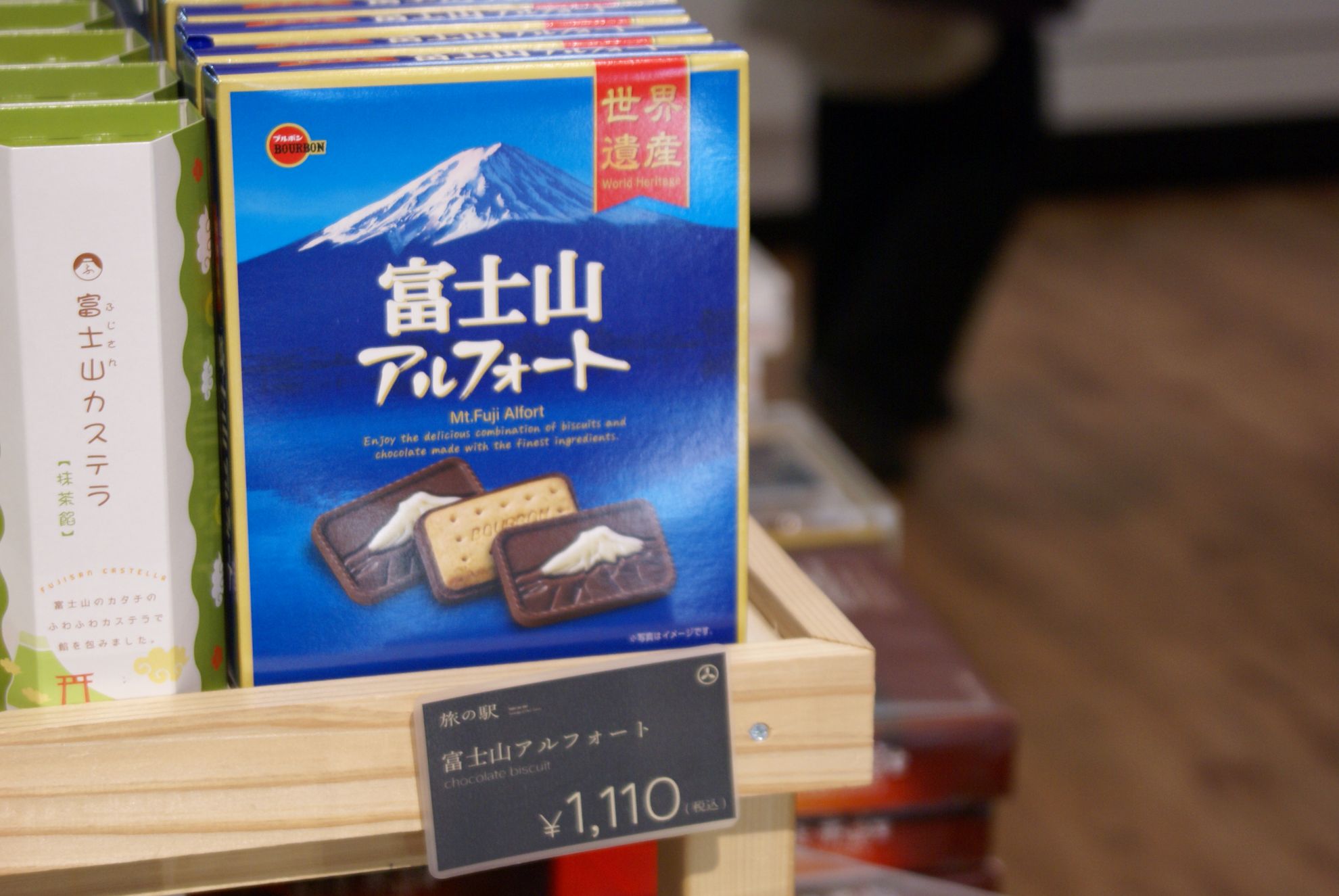
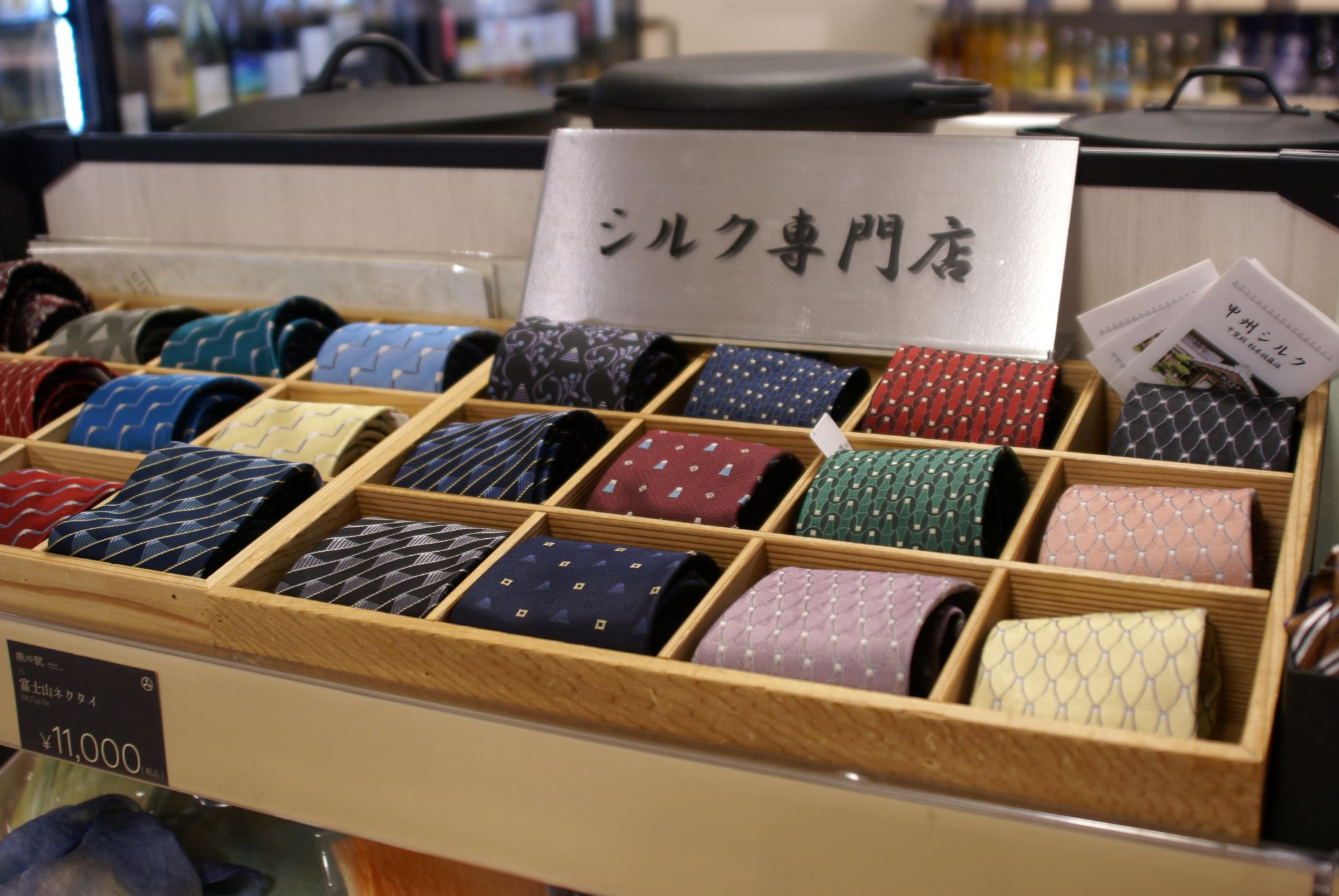
Related article Dining With a View of Mt. Fuji! 10 Best Lunch and Dinner Spots Around Lake Kawaguchiko Lake Kawaguchiko, one of the famous Fuji Five Lakes, is known as one of the best places to admire the stunning view of Mt. Fuji, a UNESCO World Cultural Heri… Breakfast options [Around Lake Kawaguchiko] Scenic Morning Spots to Enjoy Breakfast with a View of Mt. Fuji Nestled at the foot of Mt. Fuji, Lake Kawaguchiko is one of Japan’s most beloved destinations, where visitors can experience stunning seasonal landscapes thr… Souvenirs to Take Home Yamanashi souvenirs fall into four groups: sweets, fruit, wine, and textiles . In season, peaches and grapes travel well by the box; year-round, Shingen Mochi, wine, and small goods woven from Kai-ki silk are the usual picks.
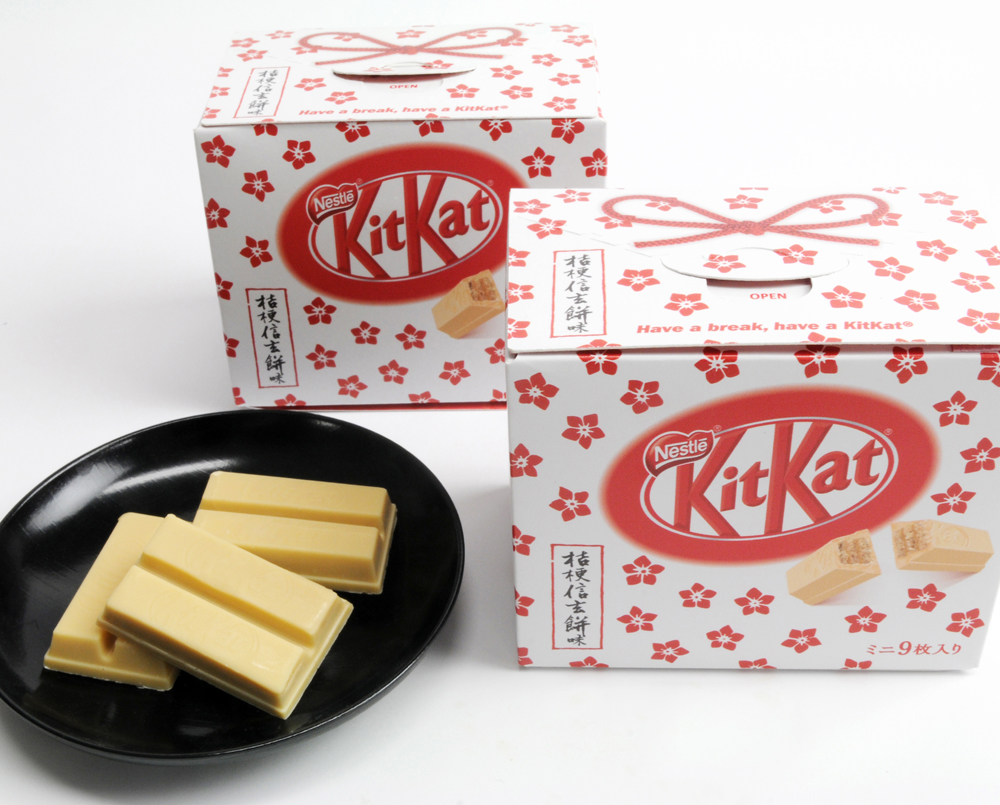
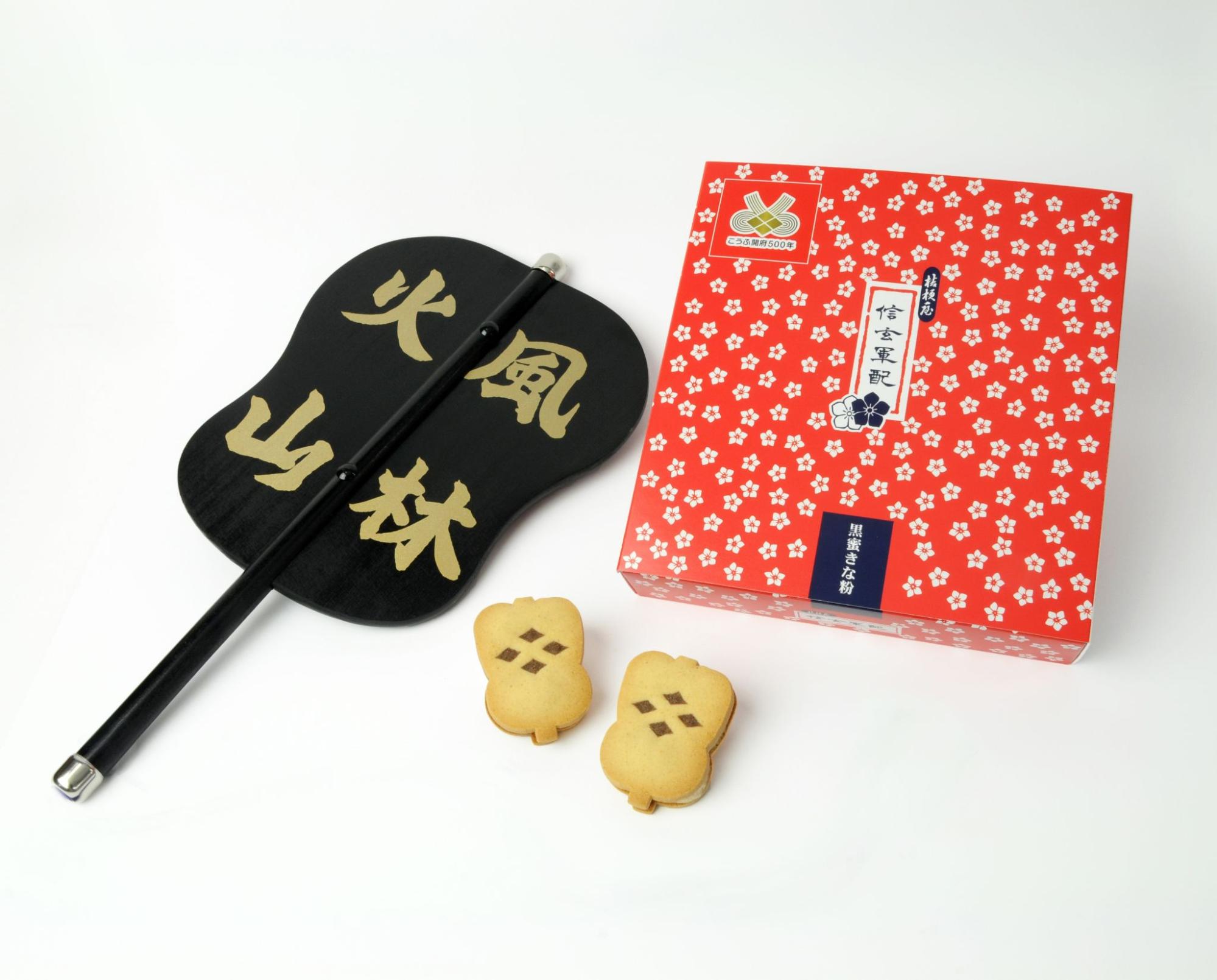
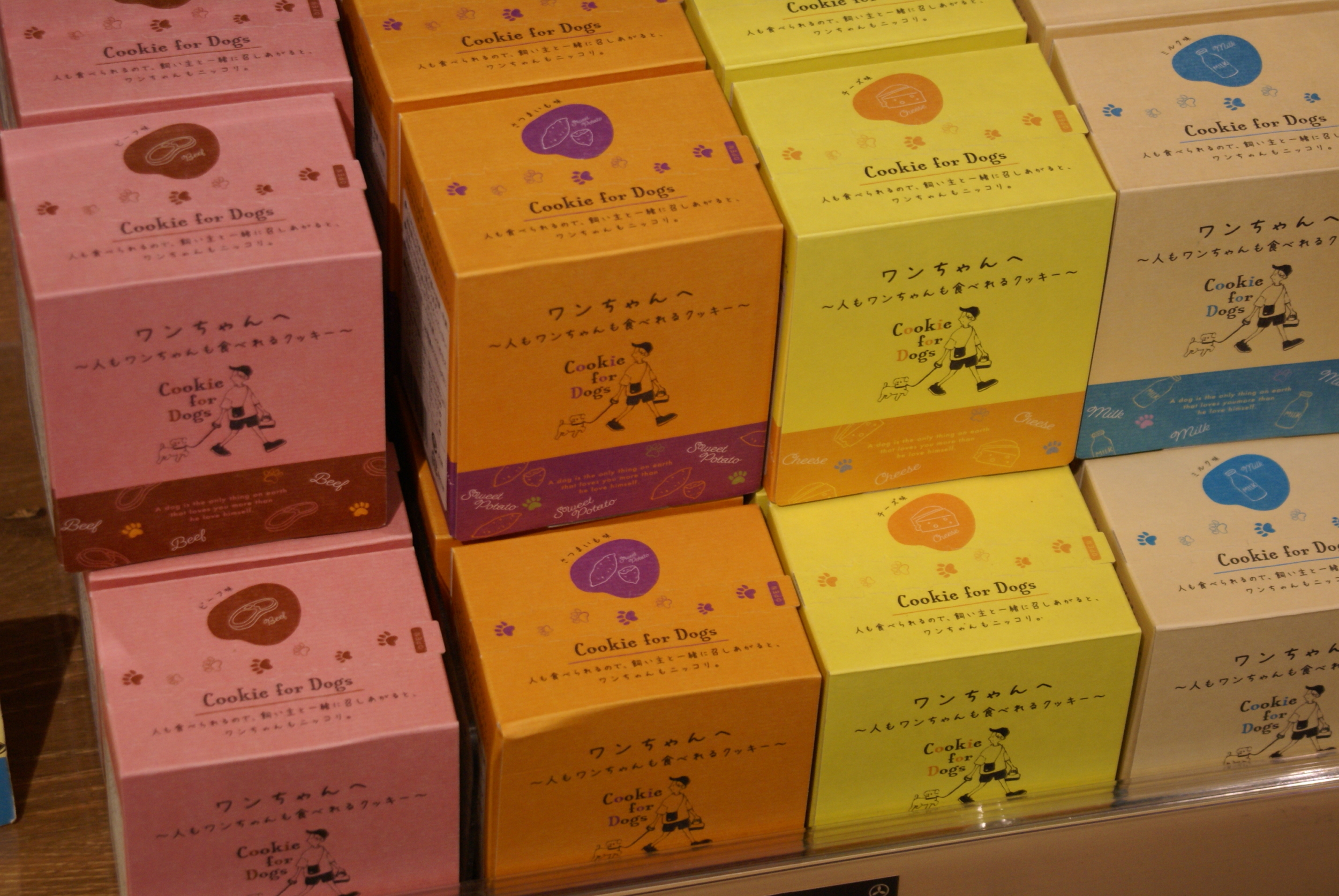
Category What to look for Where to buy Sweets Shingen Mochi, cookies and sables shaped like Mt. Fuji Kawaguchiko Station area, michi-no-eki, Fuji Oishi Hanaterrace Fruit and preserves Peach and grape jam, products made from wine grapes Oishiya at Oishi Park, Michi-no-Eki Katsuyama Wine Koshu wine, much of it from Katsunuma Souvenir shops near the station, michi-no-eki Textiles Small goods and scarves woven in Fujiyoshida Fuji Oishi Hanaterrace
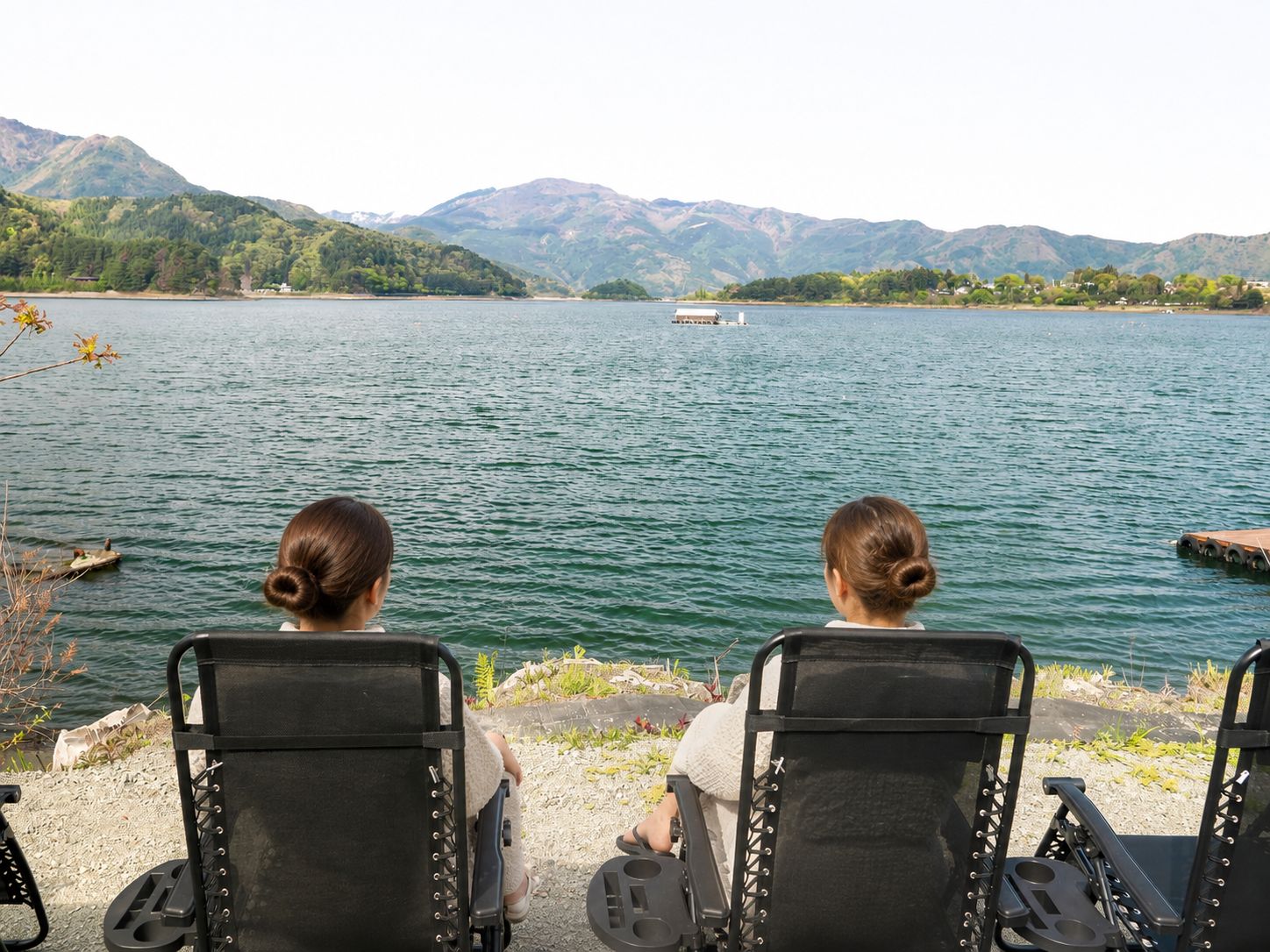
Where to Stay The main reason to stay overnight is Mt. Fuji in the morning . Cloud cover is usually lightest early in the day, so staying the night raises your chances of a clear view.
Three Types of Lodging Type What it offers Who it suits Lakeside hotels Views of Mt. Fuji and the lake from rooms or the public bath Travelers who put the view first Glamping with hot springs Time outdoors, with a hot-spring bath in each unit Families and groups who want to slow down Ryokan and auberges Dinner as the centerpiece, in a quiet setting Anniversaries and trips for two
Choosing a Location The south shore (Funatsu) sits close to Kawaguchiko Station and works well without a car. The north shore (Oishi) faces Mt. Fuji directly but is farther from the station. North shore if you are driving, south shore if you are not.
During the autumn leaves season and summer holidays, the rooms with the best views book out first. Once your dates are set, start with the lodging.
Three Places to Stay Near the Lake Within the same area, a night in the forest and a night by the water make for very different trips. Here are three with distinct characters.
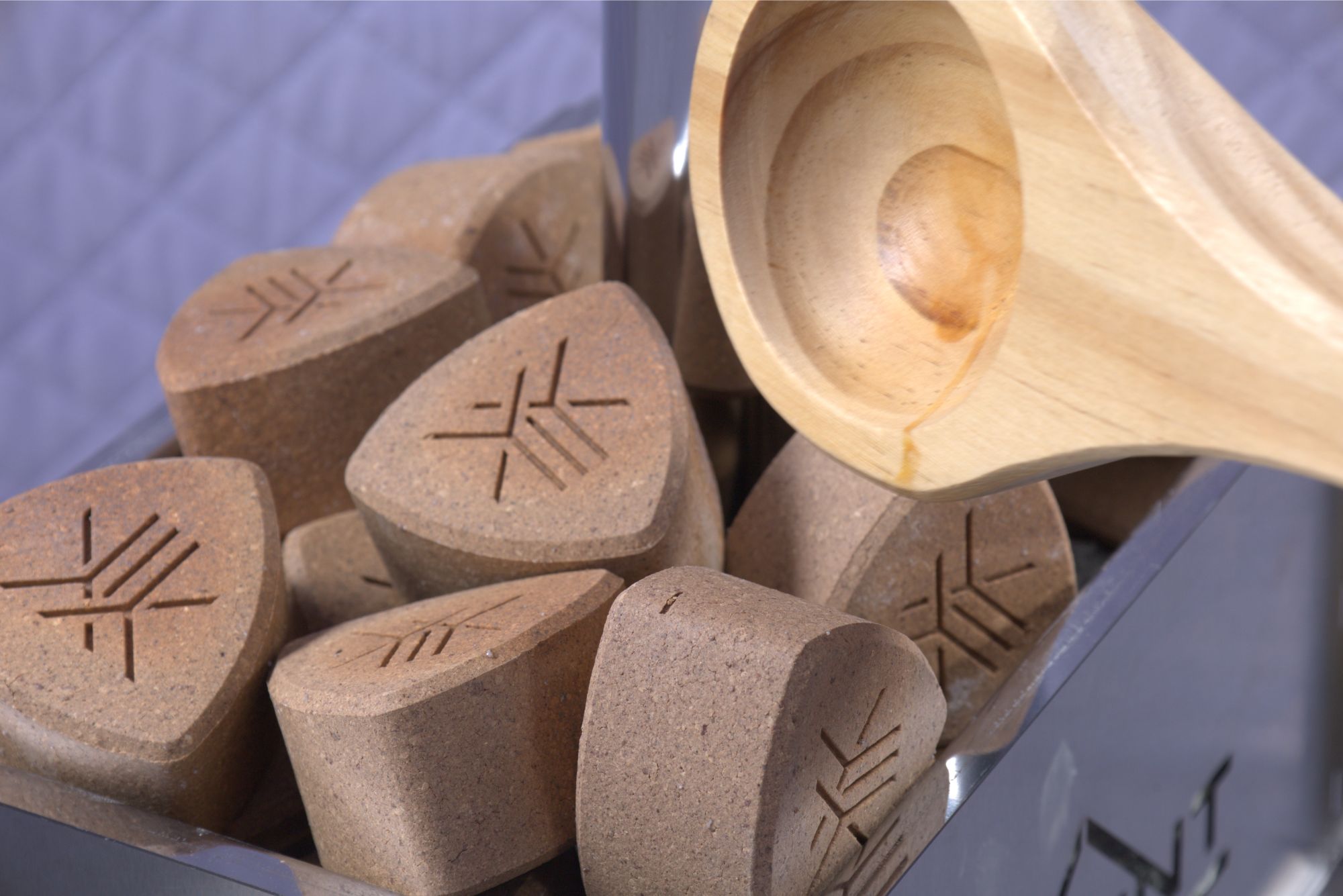
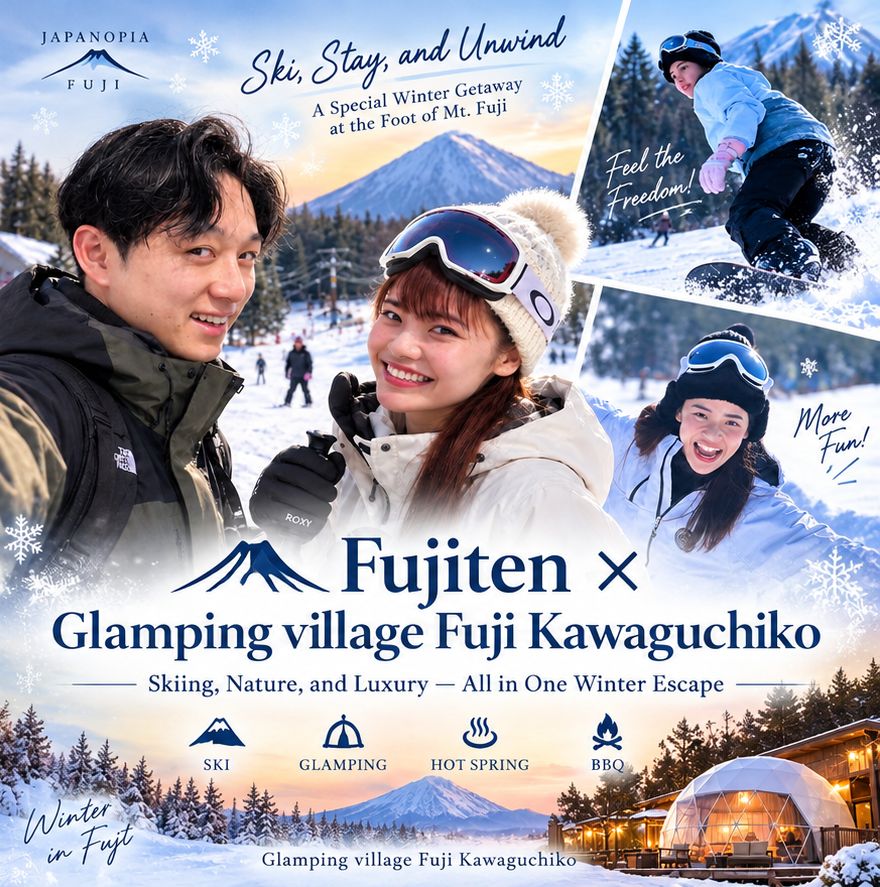
Glamping Village Fuji Kawaguchiko: Hot-Spring Baths in All 30 Units A glamping site in a conifer forest at about 1,000 meters on the slopes of Mt. Fuji. Thirty units, villa and dome tent types, each with a private hot-spring bath drawing sodium-rich water ; some villas also have a sauna. Dinner is a barbecue of Yamanashi ingredients in a private dining space. Several units come with a fenced dog run, so the site works for travelers with dogs.
Address 7430 Narusawa, Minamitsuru District, Yamanashi Access About 15 minutes by car from the Kawaguchiko IC. By bus, take the loop bus from Kawaguchiko Station to Michi-no-Eki Narusawa, then walk 15 minutes Website Official site (English)
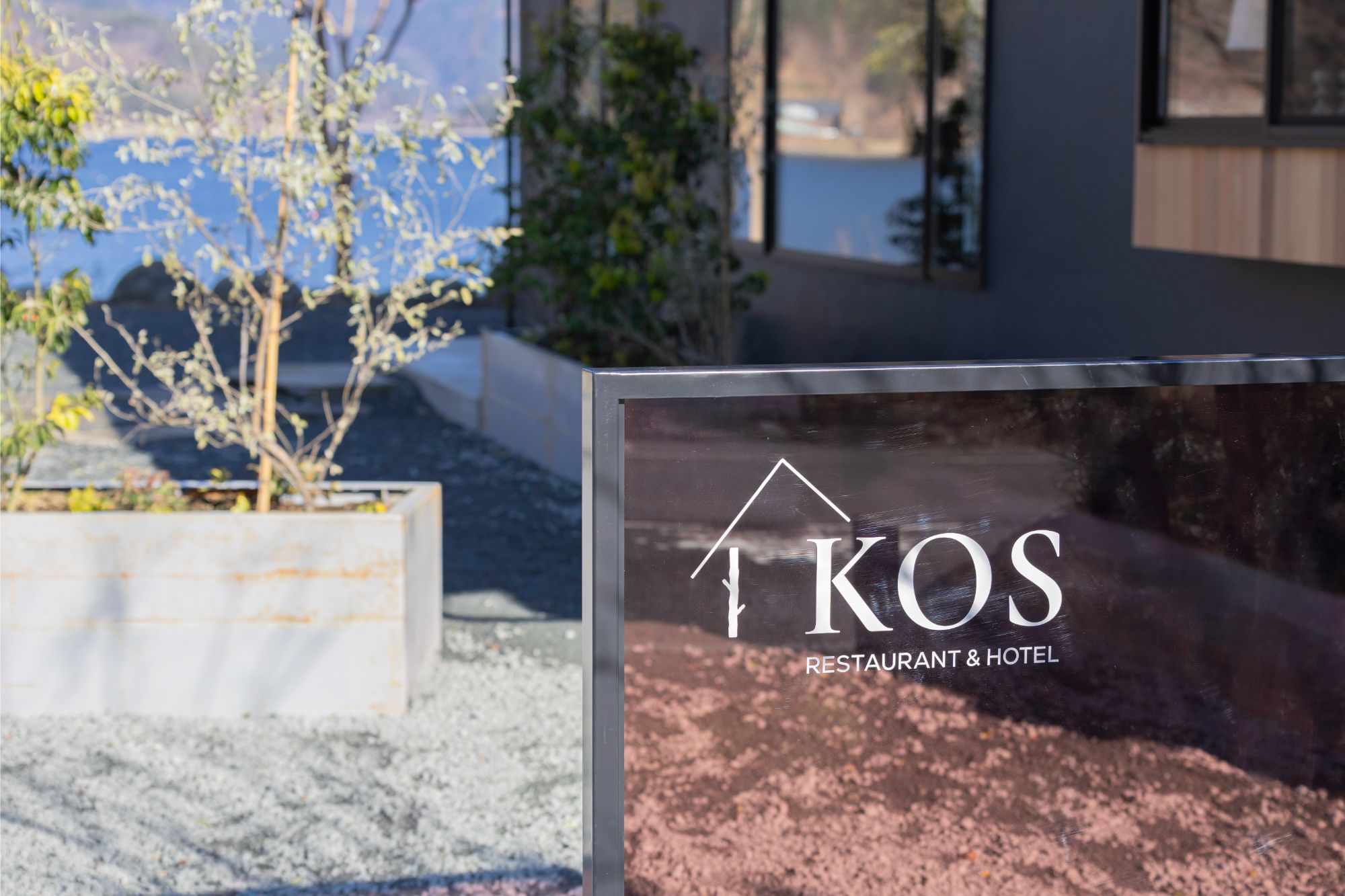
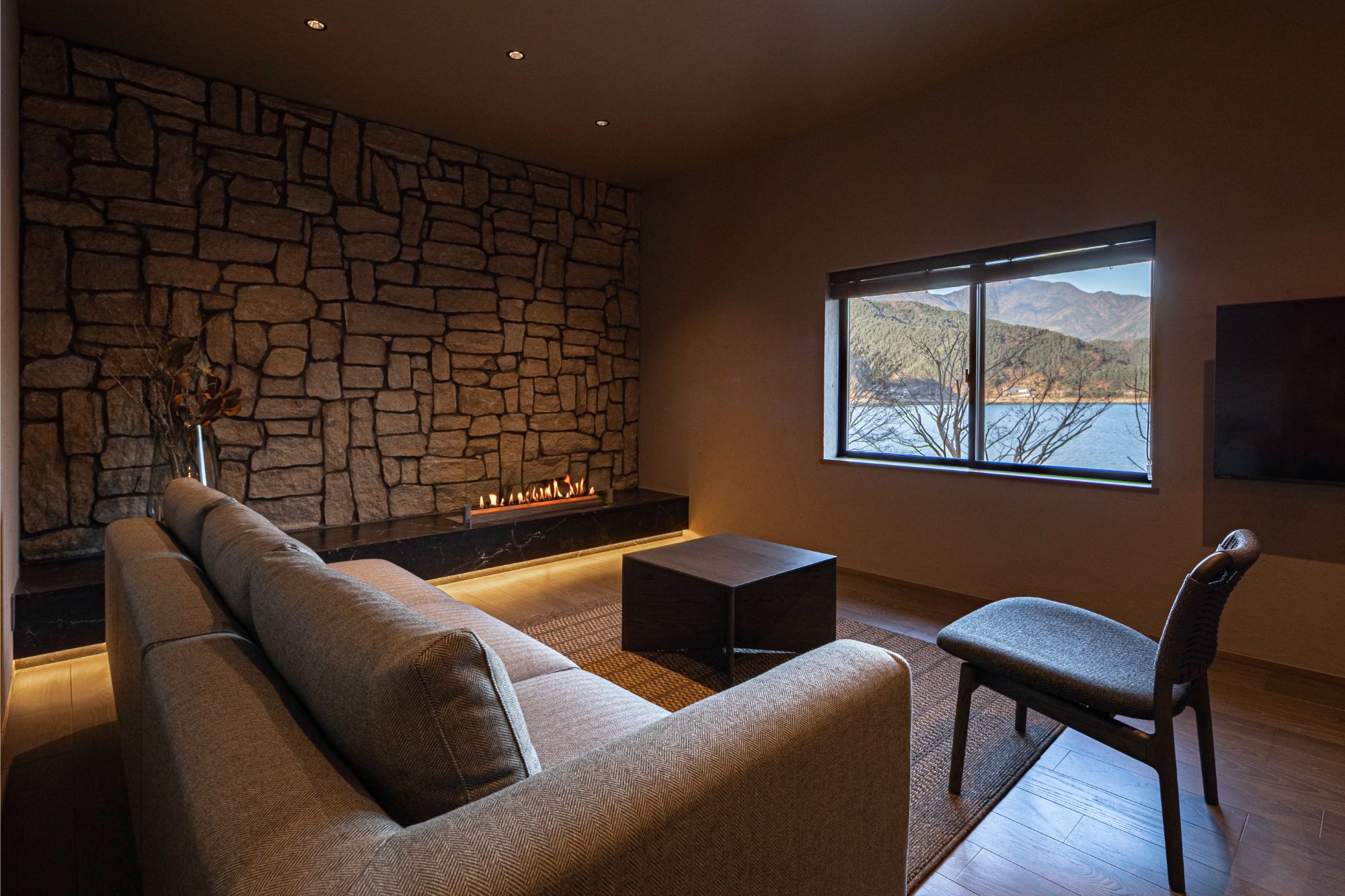
Related article Luxurious Glamping with Mt. Fuji Views! A Full Guide to Glamping Village Fuji Kawaguchiko For those who dream of spending a luxurious time surrounded by nature, enjoying hot springs and a private bonfire under the starry sky with Mt. Fuji as your … KOS HOTEL & RESTAURANT: One Floor, One Group, and a Wood-Fired Kitchen A property in Nagahama on the south side that takes one group per day across an entire floor , sleeping up to four. The living room looks out at the lake and has a fireplace; the grounds run to 1,200 square meters. The other half of the house is a wood-fired restaurant , where Koshu wine beef, Fuji-no-suke trout, and smelt from the lake are cooked over the flame. The restaurant takes reservations from non-guests , so it also works as a dinner stop on a night spent elsewhere. A private tent sauna sits three steps from the cold bath; bring your own swimsuit.
Address 1911 Nagahama, Fujikawaguchiko, Yamanashi Phone 0555-75-0437 Check-in / out 15:00–18:00 / 8:00–11:00 Website Official site (English)
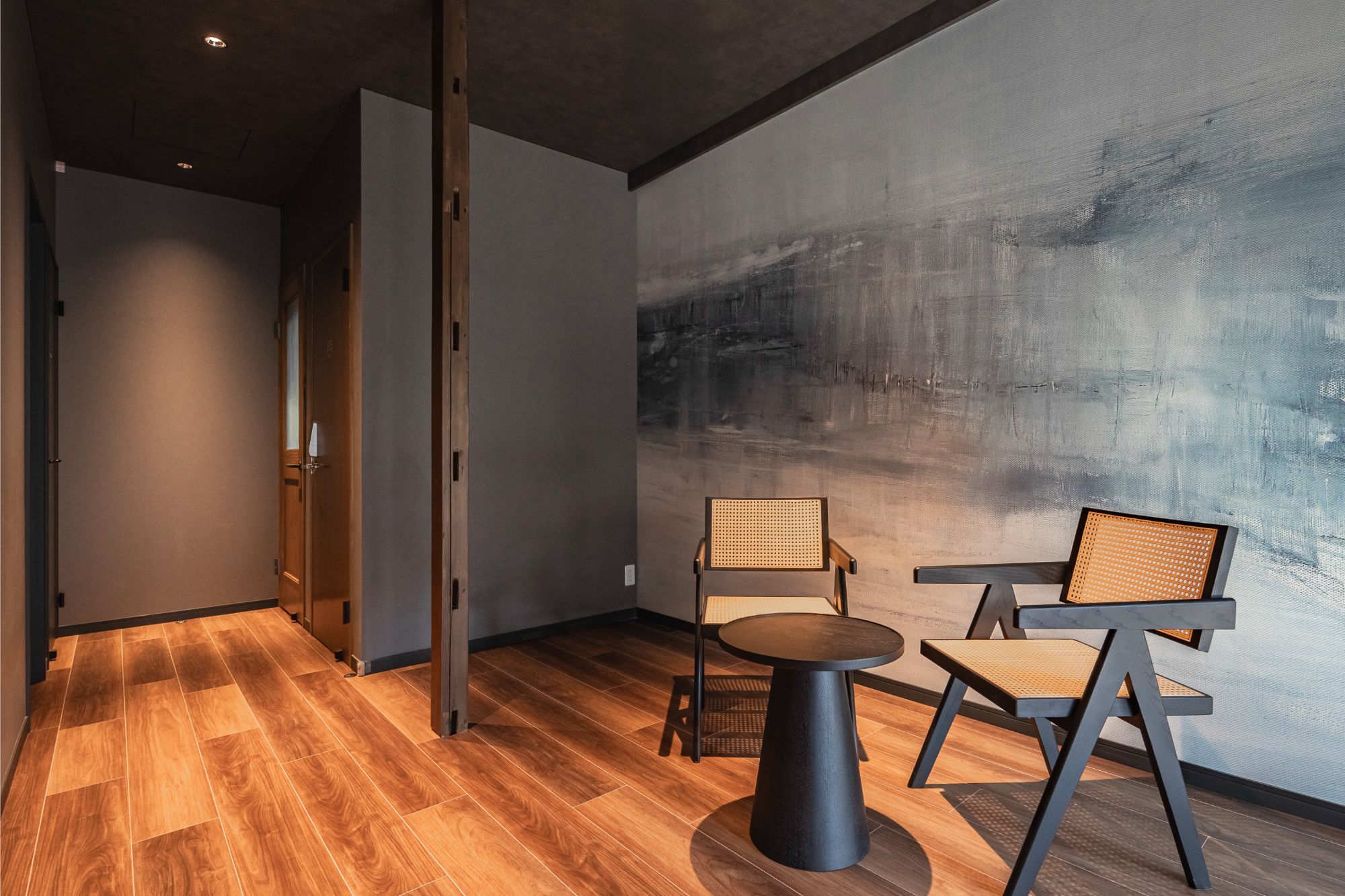
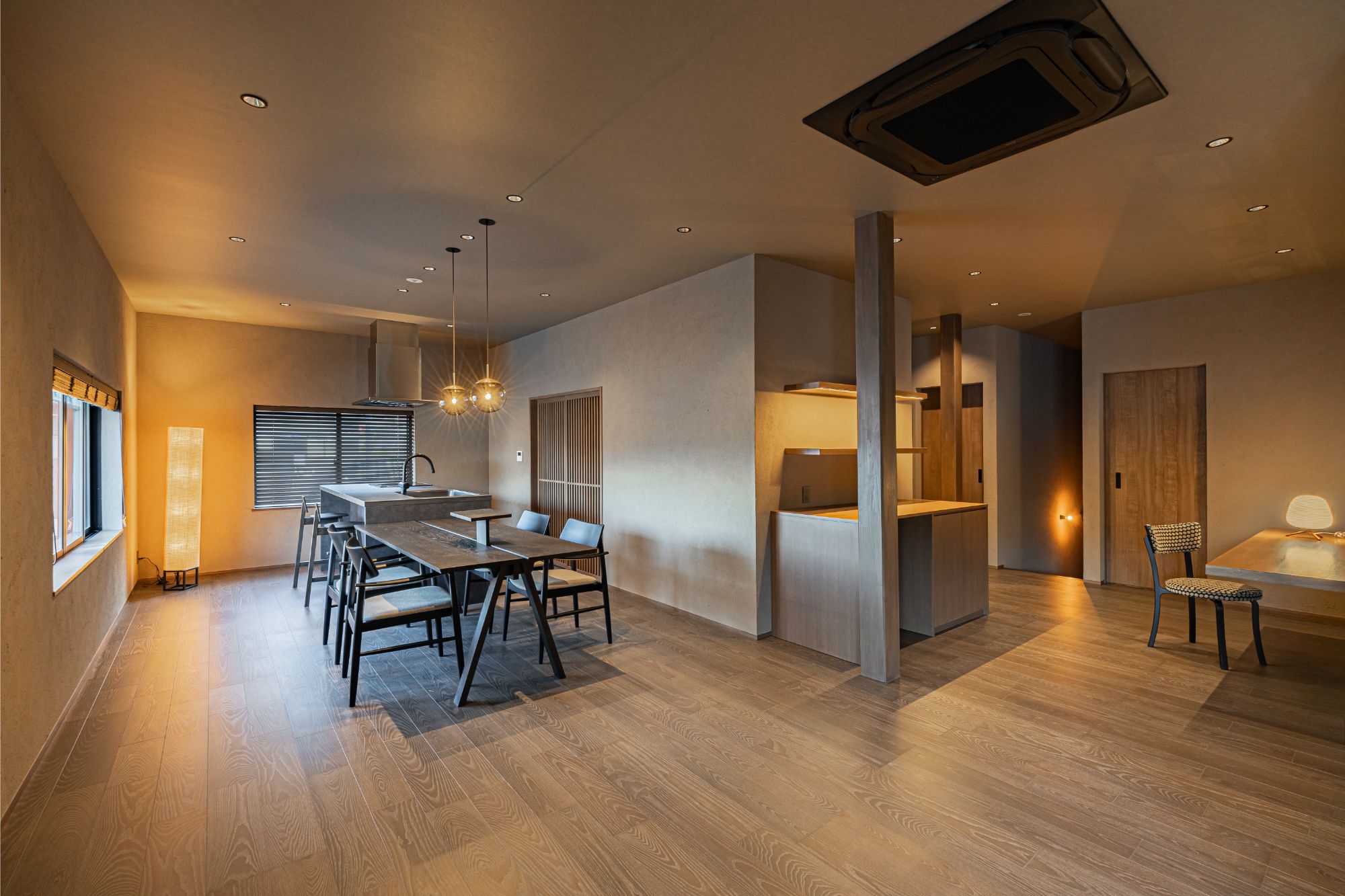
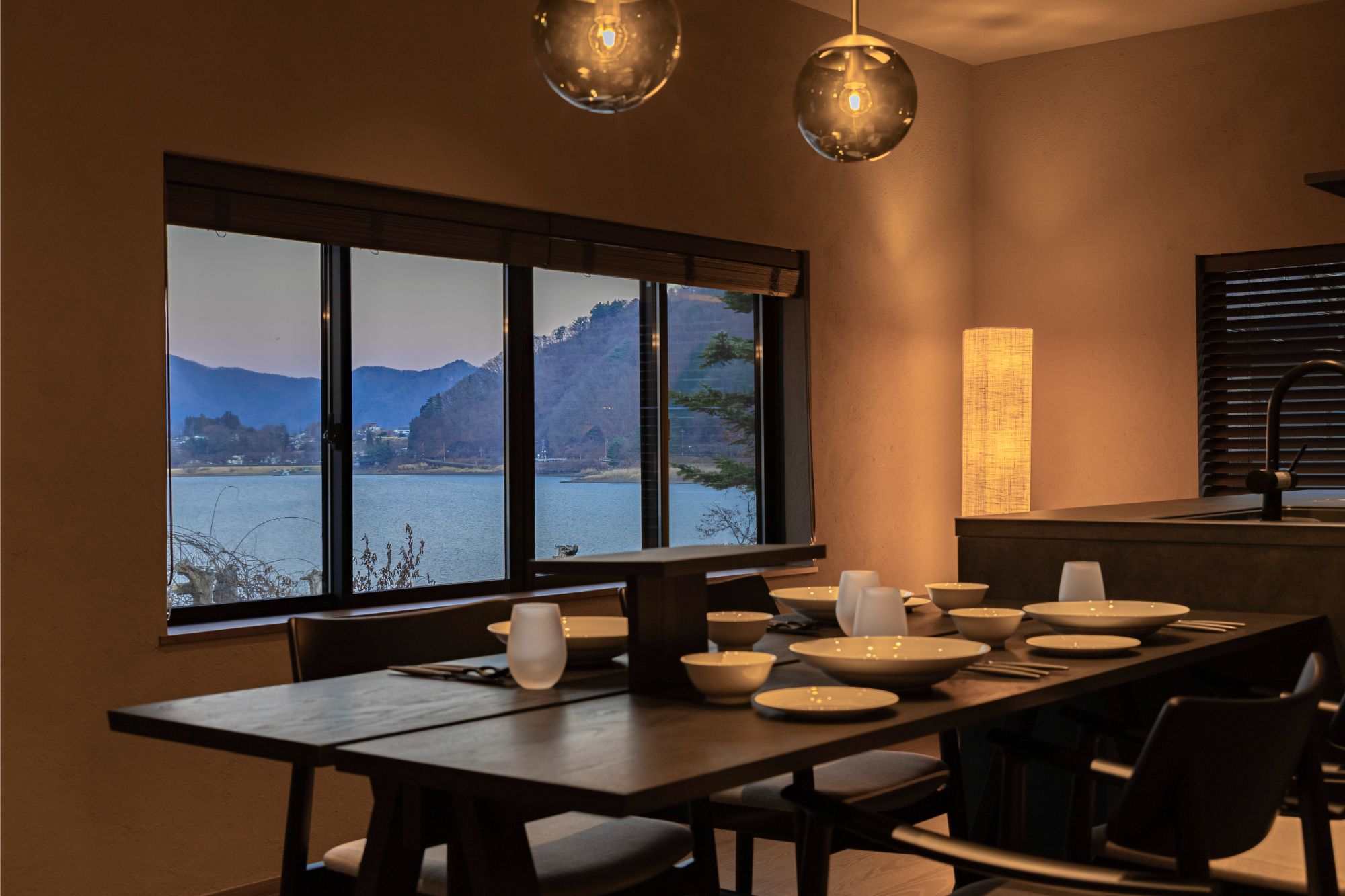
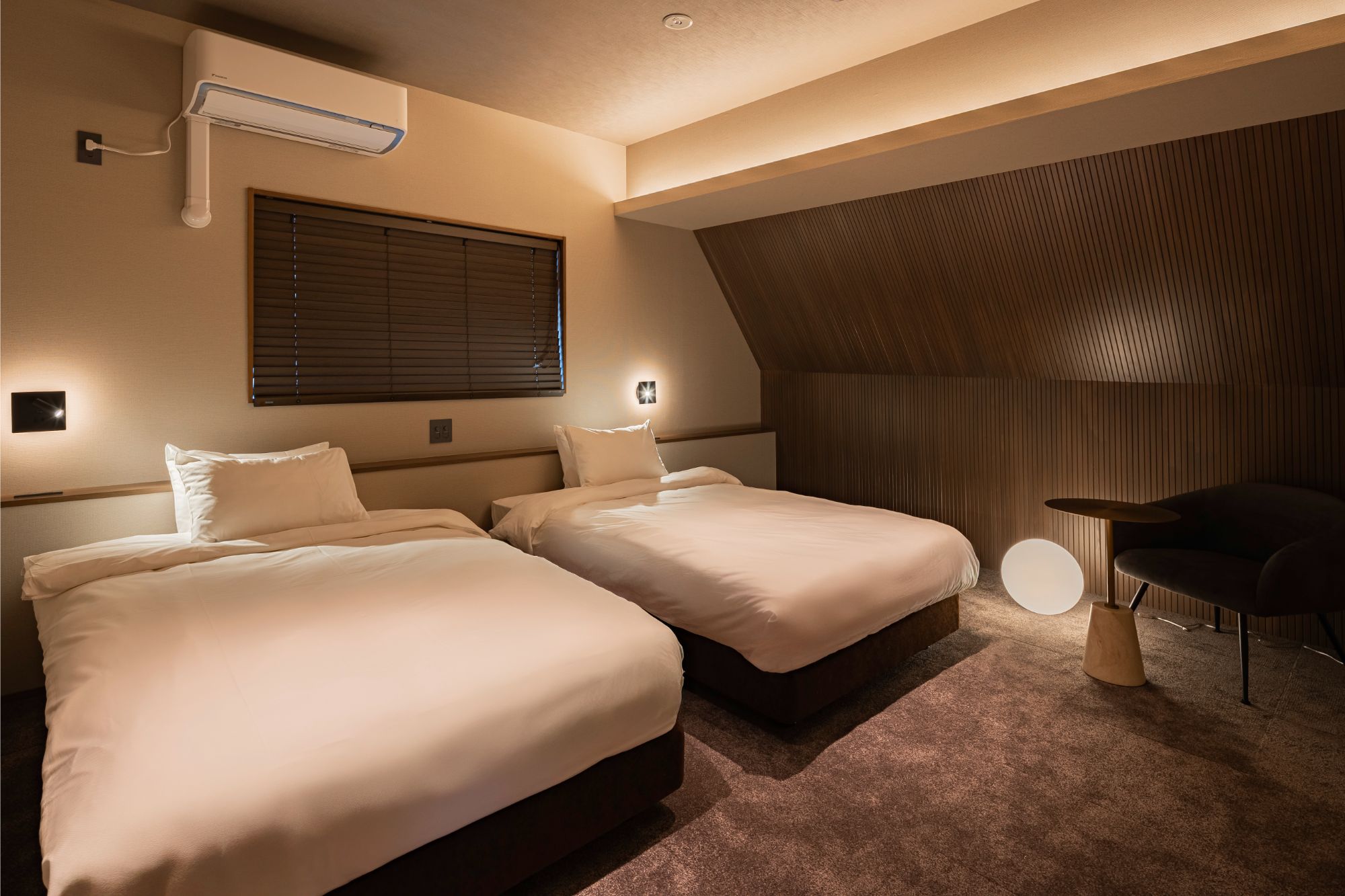
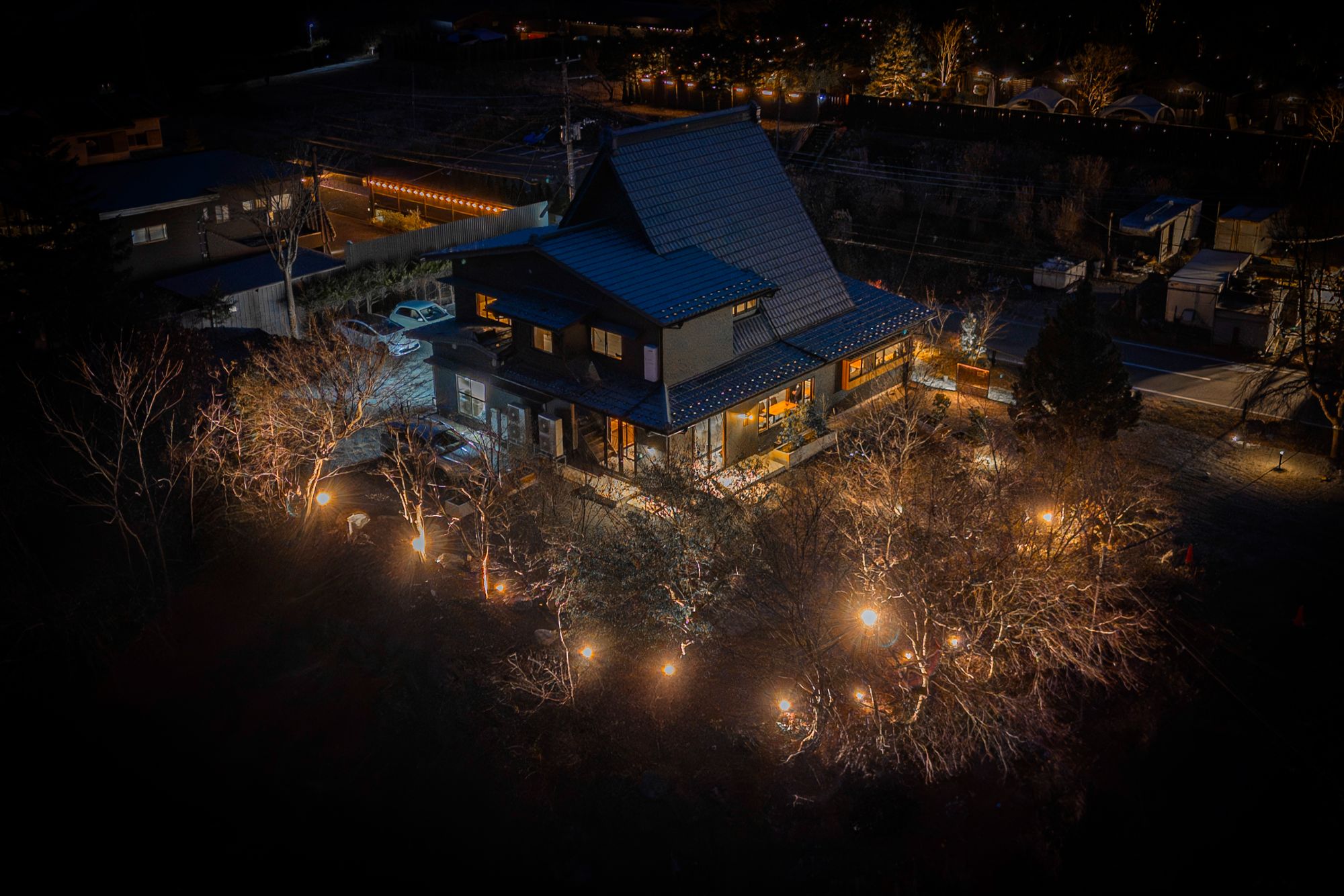
Residence Villa Kawaguchiko Lago: A Lakeside House to Yourself A single house on the shore of Lake Kawaguchiko. Three bedrooms sleep up to eight, with a 260-square-meter building on grounds of more than 1,700 square meters. The living room faces the lake across a pool, and there is a home theater and a bedroom that doubles as a study. The hot-spring bath and the private sauna are available around the clock , and the terrace has a fire pit. Dinner can be arranged as a catered meal or a barbecue.
Address 1100 Koryu, Fujikawaguchiko, Yamanashi Capacity Three bedrooms, up to 8 guests Nearby About 6 minutes by car to Momiji Kairo, about 18 minutes to Saiko Iyashi-no-Sato Nenba Website Official site (English)
Planning Your Day Here is one way to put the lake together in a single day, with the boat and the ropeway included so you see Mt. Fuji from the water and from above.
A Sample One-Day Itinerary 9:00
Arrive at Kawaguchiko Station and buy the loop bus pass
Buy the pass at the station window and board the Red Line. Leaving your luggage in a coin locker or at your lodging makes the rest of the day easier.
9:30
Oishi Park, with Mt. Fuji across the water
On the north shore, Oishi Park faces Mt. Fuji directly. Seasonal flowers line the shore, so the view is different on every visit.
11:00
Walk the Maple Tunnel and the lakeside road
Head east from Oishi Park and the road runs under arching maples. Fall color in autumn, and a quiet lakeside path the rest of the year.
12:00
Hoto for lunch
Hoto-gura Narinari is the best known of the local shops, with a slow-simmered miso broth that is mild and full of body.
13:30
The sightseeing boat Appare
Mt. Fuji reads differently from the water than from the shore. The cruise runs about 20 minutes, which fits easily into an afternoon.
14:30
Mt. Fuji Panorama Ropeway to the observation deck
The deck at 1,075 meters takes in Mt. Fuji and the lake at once. The summit also has the Kachi Kachi Yama Swing and a rabbit shrine.
16:00
Souvenir shopping near the station
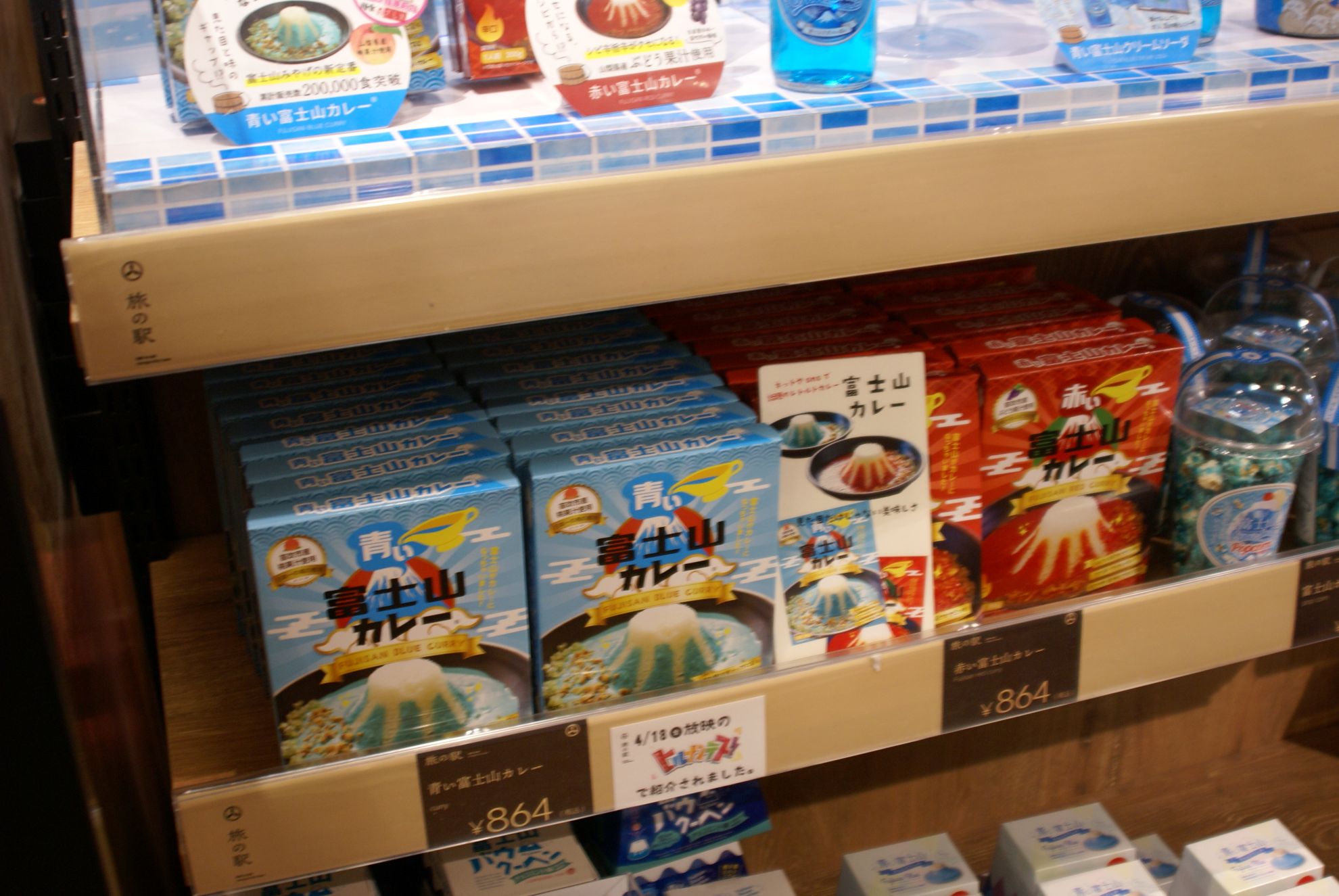
The station area and Fuji Oishi Hanaterrace both carry items you will only find in Yamanashi, from Mt. Fuji-shaped sweets to local curry.
With a second day, you can continue to Lake Saiko and Lake Shojiko, or widen the trip to Fuji-Q Highland and Oshino Hakkai and compare how Mt. Fuji looks from each. Paragliding and horseback riding are also available in the area.
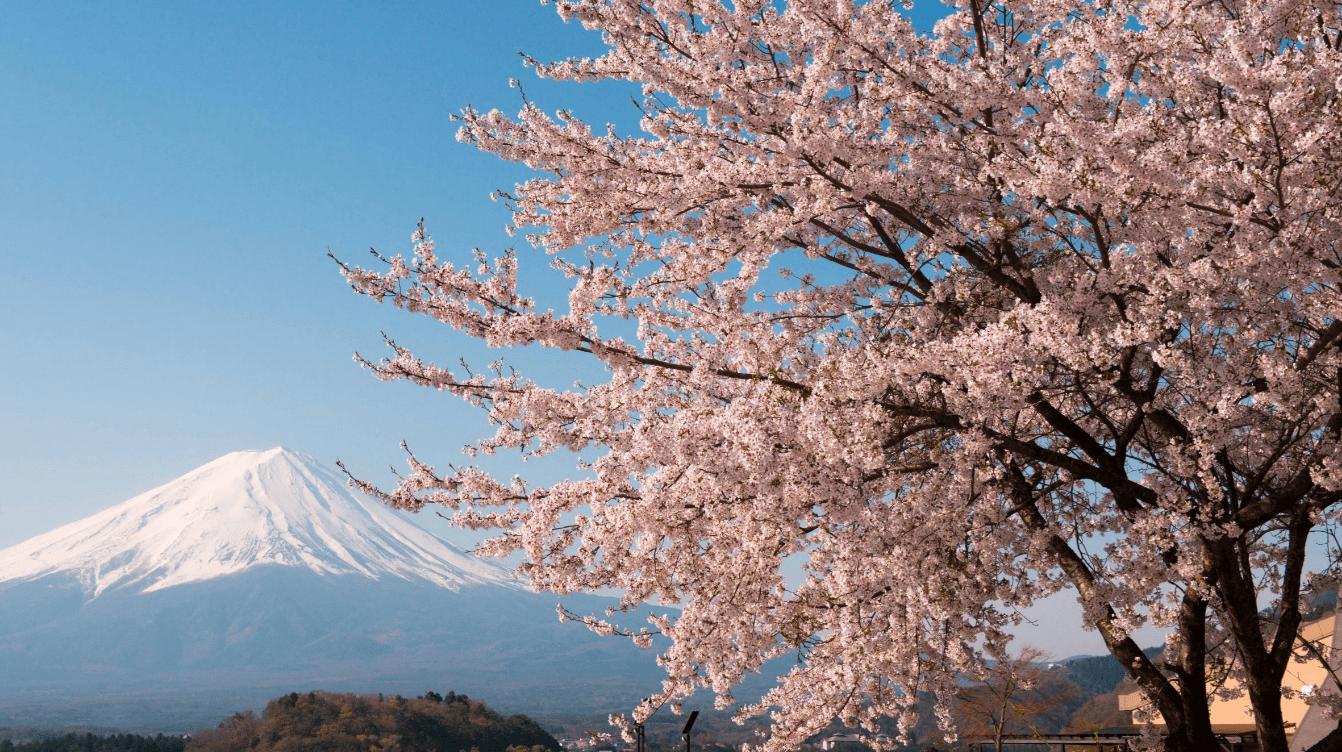
What Each Season Looks Like Season By the lake Spring Cherry blossoms and Mt. Fuji in the same frame. The elevation delays the bloom to mid or late April Summer Lavender at Oishi Park and wind across the water. Fireworks at the lake festival in August Autumn Momiji Kairo and the Maple Tunnel turn, with evening illumination. The busiest season of the year Winter The clearest air and the sharpest views, with snow on the peak and a reflection on the lake
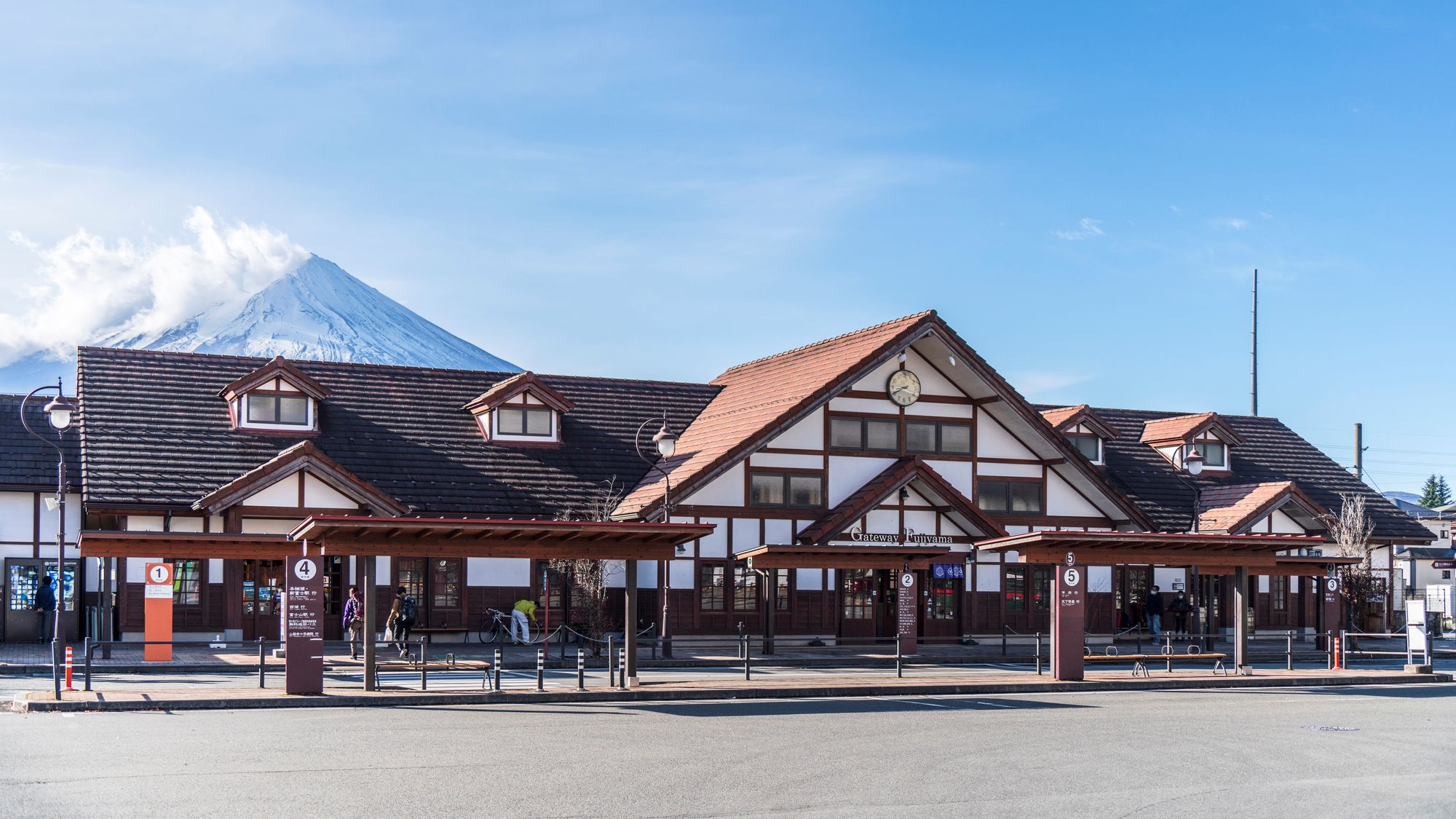
Related article Lake Kawaguchiko and Lake Yamanakako Autumn Leaves 2026: 14 Spots Including the Maple Corridor, P… 14 autumn foliage spots around Lake Kawaguchiko and Lake Yamanakako, including the Maple Corridor, with peak times, 2026 festival dates and light-up hours, addresses, access and parking for each spot, and tips for avoiding the crowds. Getting There and Getting Around From Tokyo to Lake Kawaguchiko The highway bus from Shinjuku runs directly to Kawaguchiko Station in about an hour and 45 minutes. There are no transfers and departures are frequent, which helps on days with luggage.
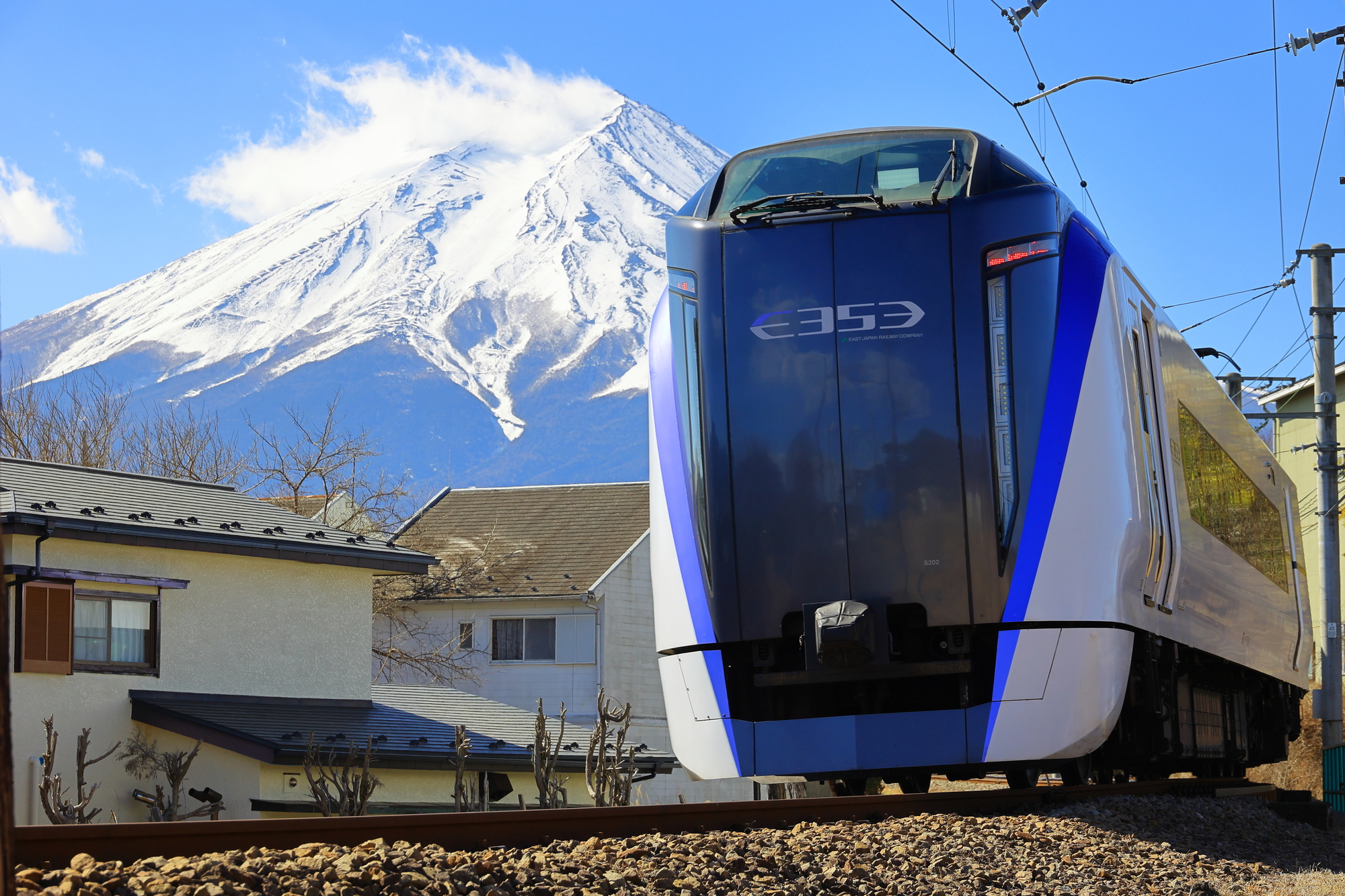
By train, the Fuji Excursion limited express runs from Shinjuku without a change in about two hours; you can also transfer at Otsuki Station to the Fujikyuko Line. Either way, Kawaguchiko Station is the end of the line.
The Loop Bus Around the Lake The Kawaguchiko Loop Bus (Red Line), operated by Fujikyu Bus, is the main way to move along the shore. It starts at Kawaguchiko Station and runs around the north side, stopping at the main sights. A common pass covers all three loop lines: 1,500 yen for adults and 750 yen for children for one day, 2,000 yen and 1,000 yen for two days.
Option Who it suits Loop bus (free pass) Visiting the main lakeside sights in order. Frequent service from the station Rental car Continuing to Lake Saiko or Lake Shojiko, or traveling with luggage Rental bicycle Seeing a few places on the north shore slowly. The lakeside road is flat Taxi Limited time, or travel after dark
Parking If You Drive Parking varies by location. Oishi Park and Fuji Oishi Hanaterrace both have free lots. The ropeway and the boat pier have no lot of their own , so drivers use the free prefectural lot along the shore.
During the autumn season and on summer weekends, lots fill early. Parking near Kawaguchiko Station and switching to the loop bus is often faster than circling for a space.
Leave Large Bags at Kawaguchiko Station Carrying a suitcase onto the loop bus changes how the day feels. The station has coin lockers, though the large ones are often taken by late morning , so it helps to know the alternatives.
Where Details Coin lockers at Kawaguchiko Station Right at the station. Large lockers are limited in number Fuji Kanko Travel (a short walk from the station) Holds luggage and rents bicycles. Open 9:00–17:30, last drop-off 15:30. Phone 0555-73-1391 Fujiyama Luggage Delivery (concierge desk in the station) Delivers your bags to your lodging. 2,000 yen per bag, one way
For delivery, drop bags at the station by 13:00 and pick them up at your lodging from about 16:00 . On the way back, leave them at your lodging by 10:00 and collect them at the station between 13:30 and 17:00. Only participating properties are covered, so check whether yours is on the list.
Related article Kawaguchiko Car and Motorbike Rental Guide: Rental Companies, Booking Sites, Prices, and Internat… When exploring the Fuji Five Lakes from a base at Kawaguchiko, getting around is often the biggest challenge. Sightseeing buses are convenient, but some rout… Five Things to Know Before You Go When Mt. Fuji Is Most Visible Cloud cover is usually lightest in the morning, and the peak is more often clear then. Clouds tend to gather after midday, so plan view-dependent stops for the first half of the day .
Have a Plan for Poor Weather Conditions are hard to predict in advance. Deciding ahead of time where to go if Mt. Fuji is hidden keeps the day on track. The northeast side of the lake has a cluster of museums, and the Music Forest Museum, the Konohana Museum, the Museum of Art, and the Gem Museum are all indoors.
Check the Live Camera Before You Leave Mt. Fuji is often behind cloud. A look at the live camera before departure gives you a sense of visibility, road conditions, and how crowded the area is. We maintain a page with live cameras and weather for Kawaguchiko, Yamanakako, Oshino, and Fujiyoshida.
Live cameras here Mt. Fuji Live Cameras | Lake Kawaguchiko, Lake Yamanaka, Oshino and Fujiyoshida Right Now Mt. Fuji stands 3,776 meters. The weather near the summit changes quickly, and it is common for the base to be clear while the top stays hidden in cloud. Whe… Dress for the Elevation The lake sits at about 830 meters, typically a few degrees cooler than Tokyo . Mornings and evenings are cool even in summer, and winter drops below freezing. The ropeway deck and the boat deck are both exposed to wind, so an extra layer is useful year-round.
Book Lodging and Popular Activities Early Lodging and parking are both tight during the autumn leaves season (late October to late November) and the summer holidays. Book your room as soon as your dates are set. The boat and the ropeway do not require reservations, but expect a wait at peak times.
Frequently Asked Questions How much time do I need at Lake Kawaguchiko? Half a day covers the main sights; a full day lets you work your way around the shore. If you want both the boat and the ropeway, allow about three hours including travel between them.
Can I get around without a car? Yes. The loop bus (Red Line) from Kawaguchiko Station connects the main lakeside sights, and a one-day pass covering all three lines costs 1,500 yen for adults.
Where should I go on a first visit? Oishi Park, which faces Mt. Fuji across the water, and the sightseeing boat Appare, which views it from the lake. Together they cover the scenery the area is known for.
When is it busiest? The autumn leaves season in November, cherry blossom season, and the summer holidays. Starting early in the day helps with both parking and traffic.
What else is nearby? The Green Line runs to Lake Saiko and the Blue Line to Lake Shojiko and Lake Motosuko. Oshino Hakkai and Fuji-Q Highland are 20 to 30 minutes away by car.
Summary Face Mt. Fuji from the north shore, then look up at it from the water and from the ropeway in the southeast. Lake Kawaguchiko lets you see the same mountain from several angles in a single day. The flower beds at Oishi Park, a peach soft-serve at Fuji Oishi Hanaterrace, the lake seen from the observation deck, the wind on the boat deck: string those together and the day fills itself.
The museums in the northeast work well on a second visit, or on a day when the weather turns. For food, hoto; for souvenirs, the station area or Fuji Oishi Hanaterrace.
One more thing: Mt. Fuji is at its clearest in the morning. Staying by the lake and including that first view makes the trip complete.