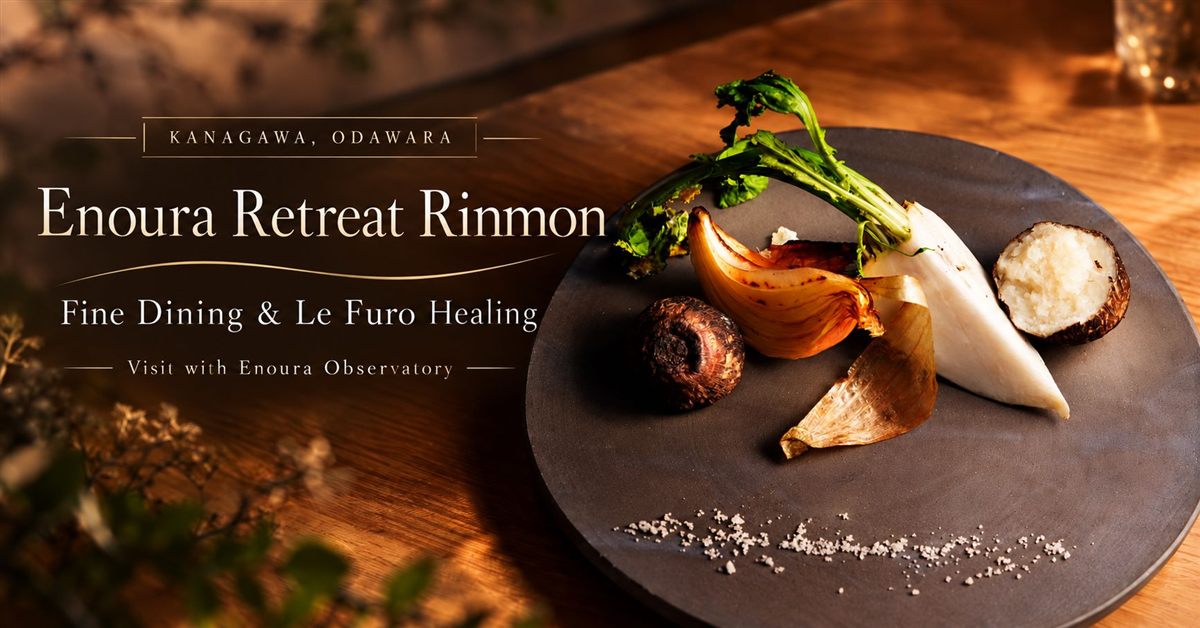
Enoura Retreat Rimon stands on high ground surrounded by citrus groves, a small retreat hotel built around its food.
The sea-view terrace looks out to the horizon over Sagami Bay, with terraced citrus groves below it. The rooms have no television by design, so you can listen to the waves and the birds and let your eyes rest on the view — the kind of luxury that comes from doing nothing at all.
The Enoura Observatory, created by the contemporary artist Hiroshi Sugimoto, is nearby, which makes this a good base for anyone drawn to his work.
If you are looking for somewhere to recover after a run of busy days, to thank someone who has been working hard, or to mark an anniversary with someone close to you, this article should help.
Food at Rimon: Gentle Dishes That Use Every Part of the Local Harvest
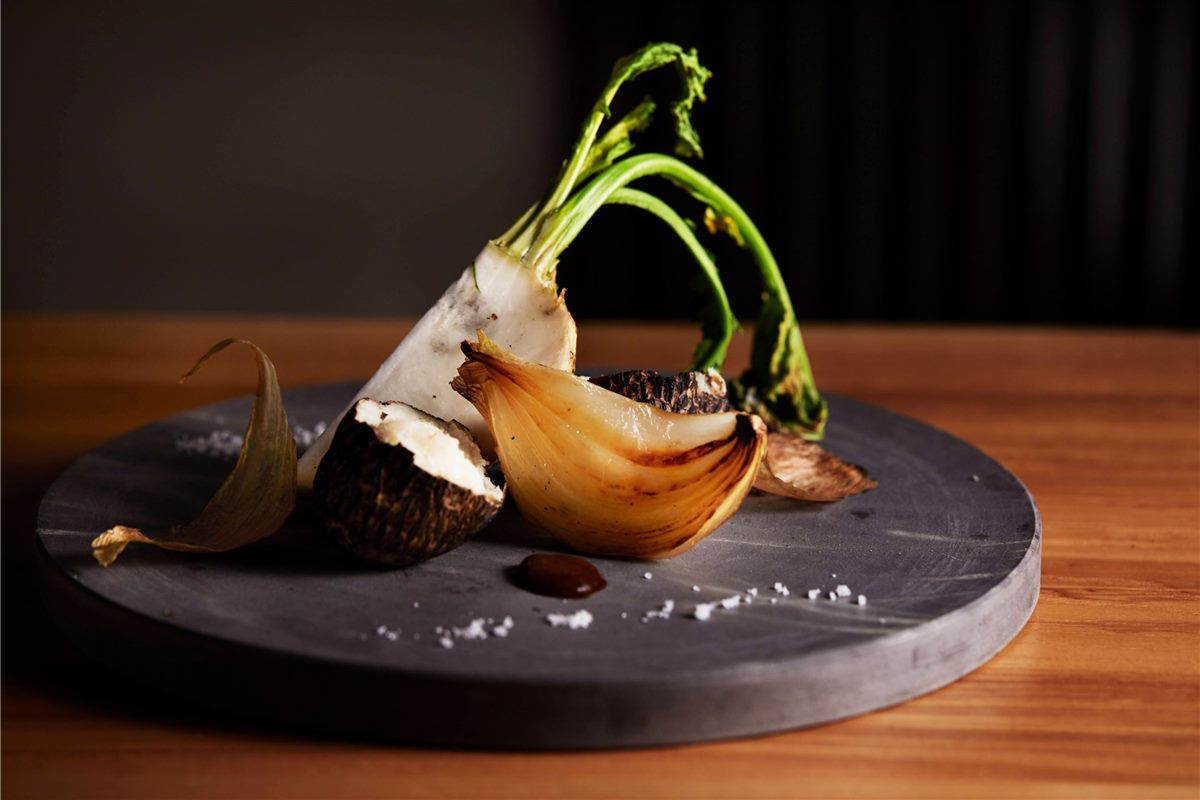
Many guests come to Enoura Retreat Rimon for the food. Head chef Jun Matsumoto builds his courses on Japanese cuisine and adds ideas of his own.Seafood from Sagami Bay, Ashigara beef, and pesticide-free vegetables from Odawaraare used down to the peel and the root, which is part of what defines the kitchen here.
Working through a course, you notice how carefully each plate is put together. The dishes look beautiful, and the taste brings out a smile. What stays afterward is a comfortable fullness. After the warmth of the Le Furo bath, the flavors settle in slowly.
Rimon Farm, visible from the terrace, grows citrus with compost made on site. Letting nothing go to waste and keeping that cycle going is part of how this place works.
Dinner
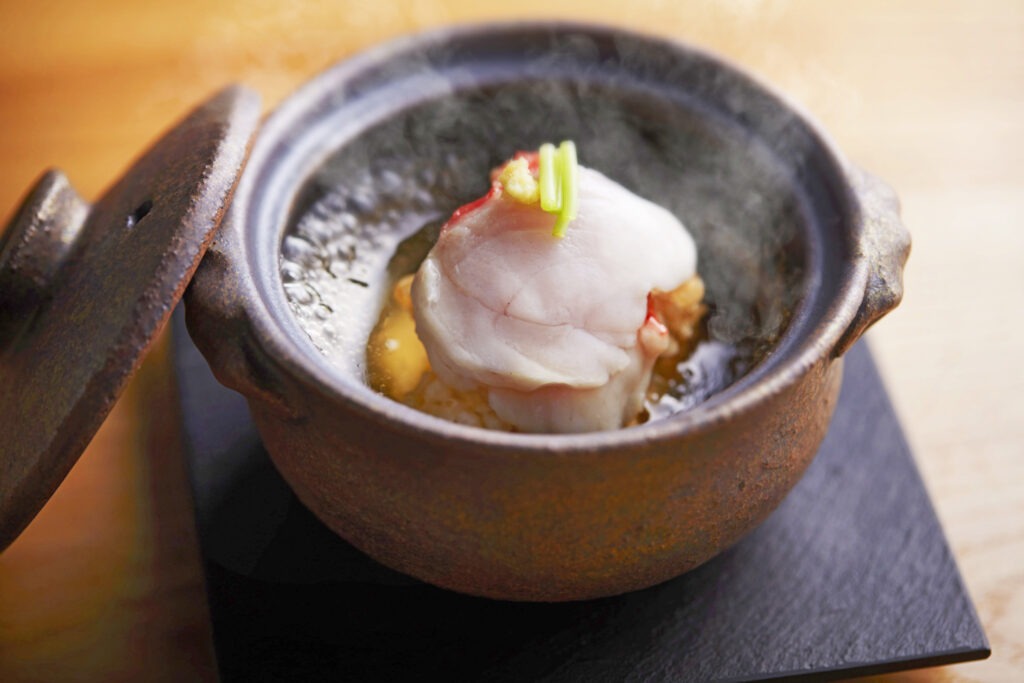
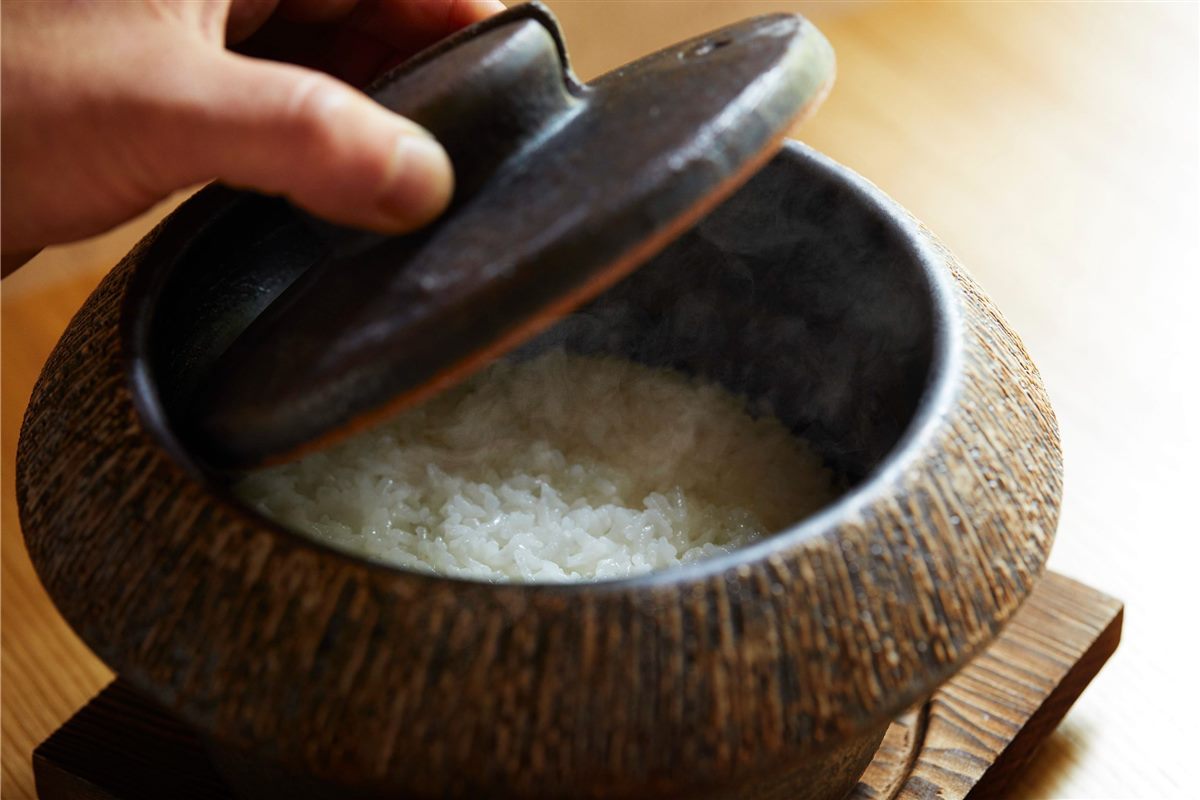
One evening’s dinner took Shu-Ha-Ri as its theme, with a seafood selection from Sagami Bay, spiny lobster, seared Ashigara beef, and rice cooked with local chestnuts.
The contents change with the season, so each visit brings something different.
If you have a food allergy,mention it when you bookso the kitchen can plan around it. If you stay more than one night you can discuss the menu for the second evening, so the second dinner differs from the first.
What is Shu-Ha-Ri?
Shu-ha-ri describes three stages of growth in Japanese disciplines such as tea ceremony and martial arts.
1. Shu: keep to the forms taught by your teacher
2. Ha: once you have mastered them, study other schools and break the existing form to build one that fits you
3. Ri: open your own ground and work freely, apart from the inherited form
The idea is often traced to the Rikyu Dokyo, a collection of the tea master Sen no Rikyu’s teachings set to verse, in which one line says to keep the rules fully before breaking them, and never to forget the root even when leaving them behind. Today it is applied to work and business as well as to tea. It is a phrase that fits a chef who keeps the forms of Japanese cuisine while finding ground of his own.
Breakfast
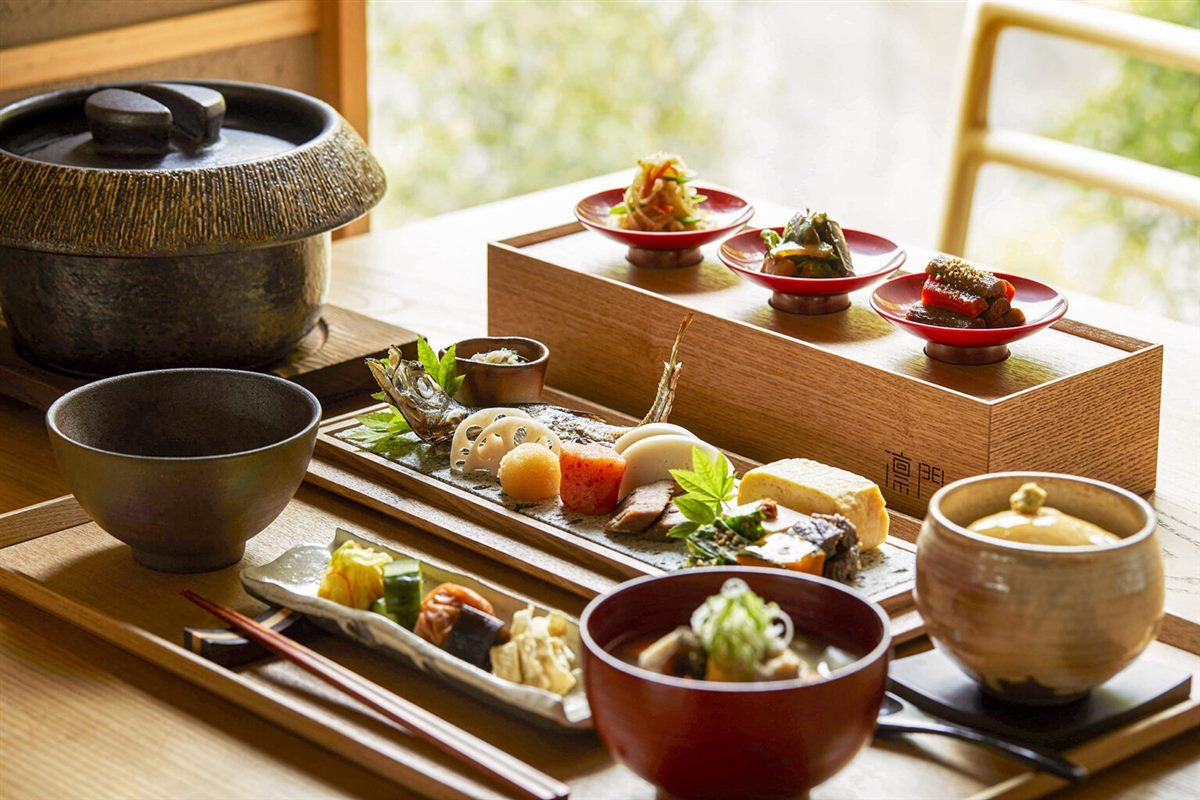
Breakfast opens with detox water flavored with kuromoji (Japanese spicebush), then a salad of local vegetables with house-made dressing, eggs from free-range hens, pesticide-free Odawara ricecalled Inochi no Ichi, andblack soybean misosoup. It is a meal that wakes the body gently.
Lunch Without Staying Overnight
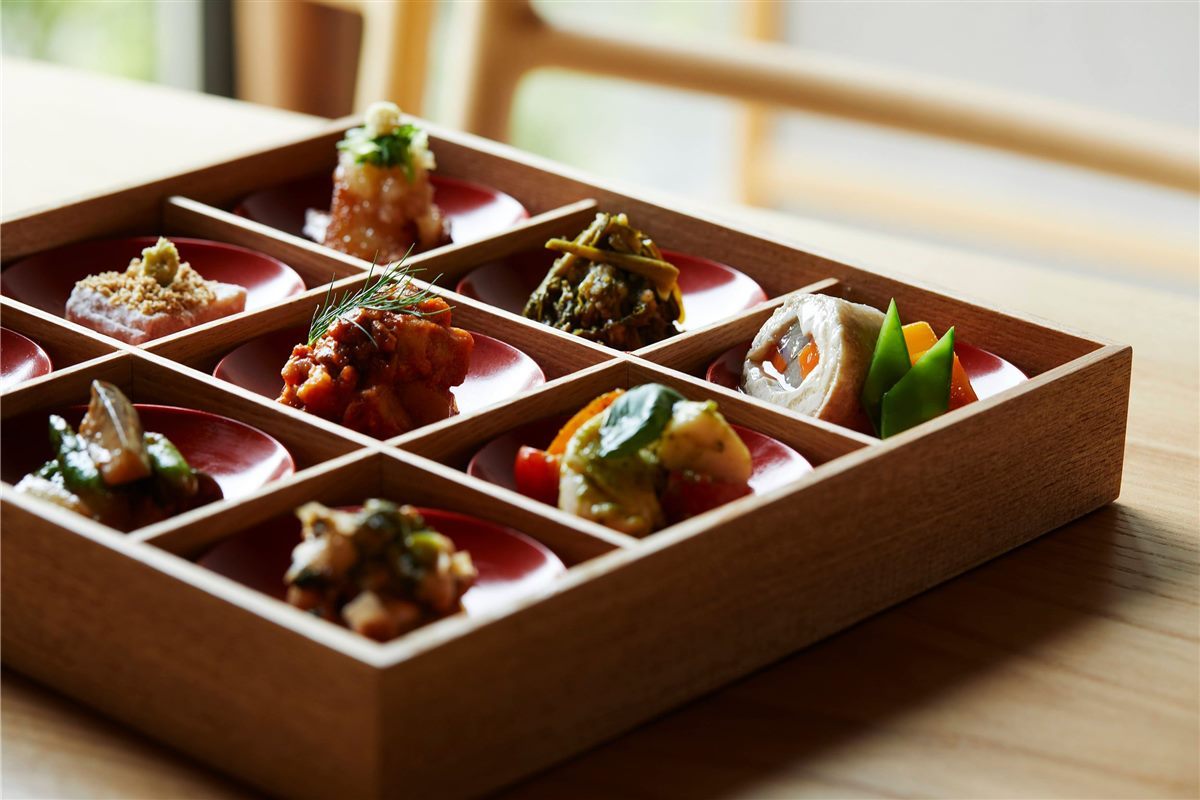
Lunch and afternoon tea are open to visitors who are not staying the night. You can pair lunch with the Le Furo bath, or come for lunch alone, or for Le Furo alone. All of theserequire a reservation in advance.
If you are interested, ask about the date you have in mind by email or phone.
The Le Furo Bath: Warmth That Reaches the Core
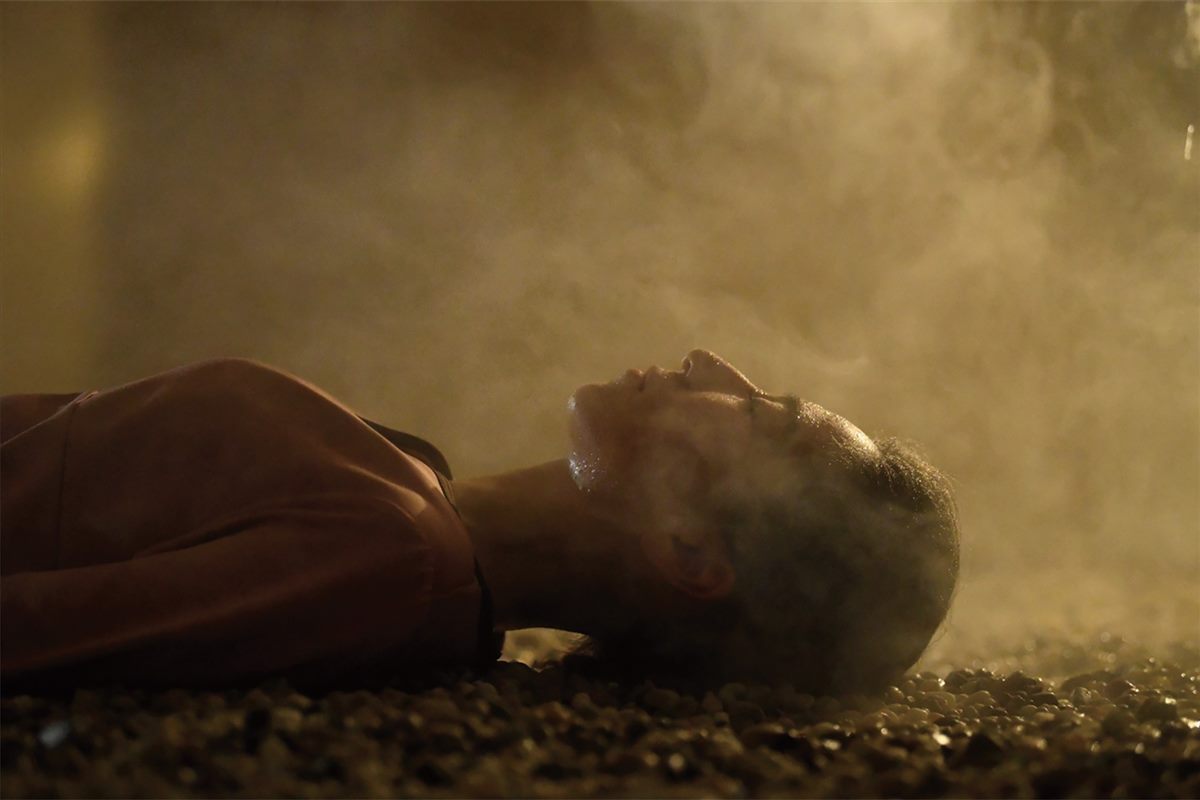
The other thing Rimon is known for is Le Furo. It is a warm bath in which you lie in a room floored withJapanese mineral stonescalledyakuseki, surrounded by a mist carrying more than thirty minerals drawn from natural hot spring water.
It is worth trying if you like saunas, but also if you feel you have been carrying fatigue for a while, or if you are interested in circulation and metabolism. Here is what makes it different, and how to use it.
What Makes Le Furo Different
Lying with your eyes half open, looking up into the mist, you gradually get a floating, weightless kind of comfort.
“Saunas are too hot and hard to breathe in”is one common reaction, and“the dryness bothers me”is another. Le Furo is not like that.The room sits at about 40°C, far cooler than a sauna, yet you still feel the heat clearly, and because you are wrapped in mist, your throat, skin and hair do not dry out.
After lying there for a while, you begin to sweat, and before long your whole body is warm. That warmth lasts well after you leave the room, and skin that has been in the steam feels soft, as though it has been looked after. There is a lightness to it as well, as if things are moving more easily.
If you are not used to saunasit suits you, andif you like a sauna and want to sweat properlyit will still be a different kind of bath from what you know.
How to Use Le Furo: Three Rounds With Breaks, About an Hour
The sequence
1. Collect a Le Furo robe and towel at the counter on basement level 1
2. Wash your whole body including your hair in the bath area, and remove makeup
3. Change into the Le Furo robe and drink some water
4. Lie in the Le Furo room for about 10 minutes
5. Rest in the relaxation room for about 10 minutes, drinking water
Before going in, wash in the bath area first:your whole body including your hair, and remove makeup. Then change into the Le Furo robe and head for the room. Paper underwear is available, so ask the staff if you would like some.
Inside, the house suggests starting face down to warm your stomach. Any position that feels comfortable is fine, though, depending on how you feel that day. You can also pick up the yakuseki stones laid across the floor, or rest one on your stomach to feel the warmth.
After about ten minutes, leave the room and take a break in the relaxation room.
Citrus water and burdock tea are set out near the Le Furo room. You will sweat a fair amount, so drink before you go in and during your breaks.
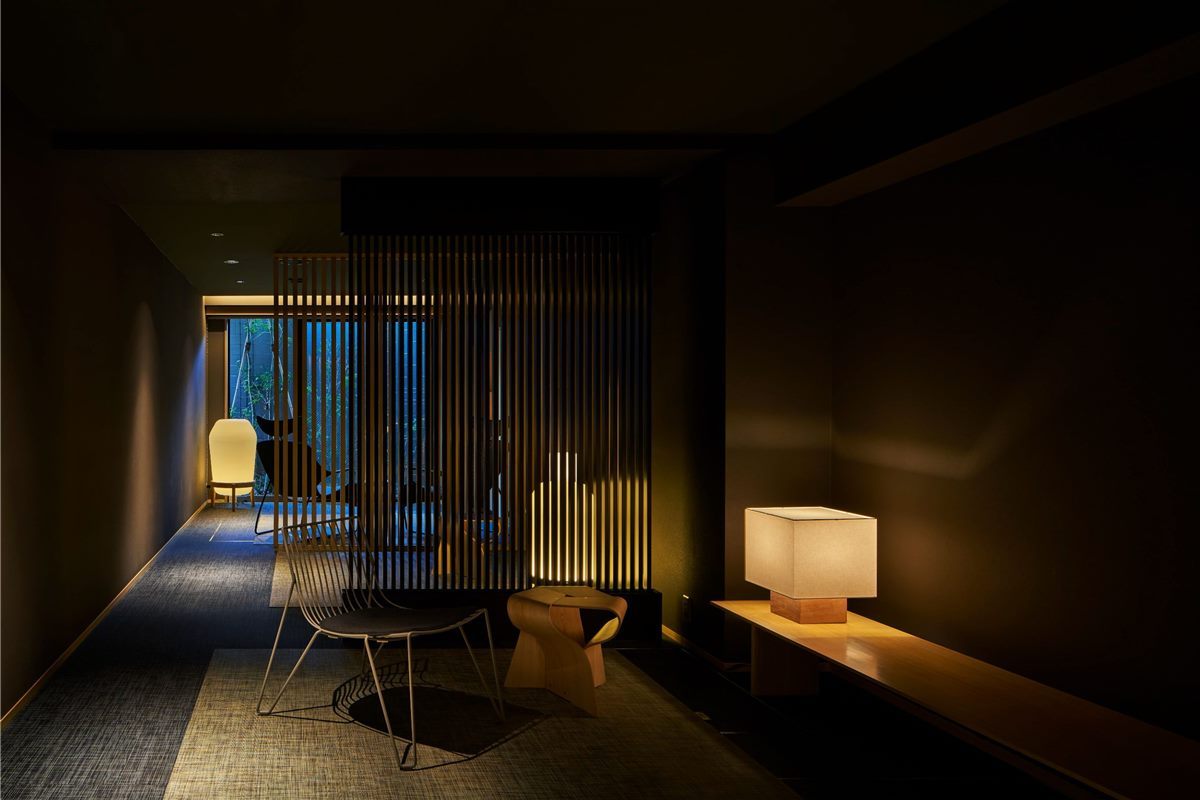
The relaxation room, with its lights turned low, is where you let the body cool after the heat. In sauna terms it does the job of the cool-down. Sitting back in a chair and letting your mind drift, the flush gradually settles.
Oddly enough, after resting a while you start wanting to go back in. Returning to the mist and then coming back out to rest — the house suggeststhree roundsof this.
The Rooms at Rimon
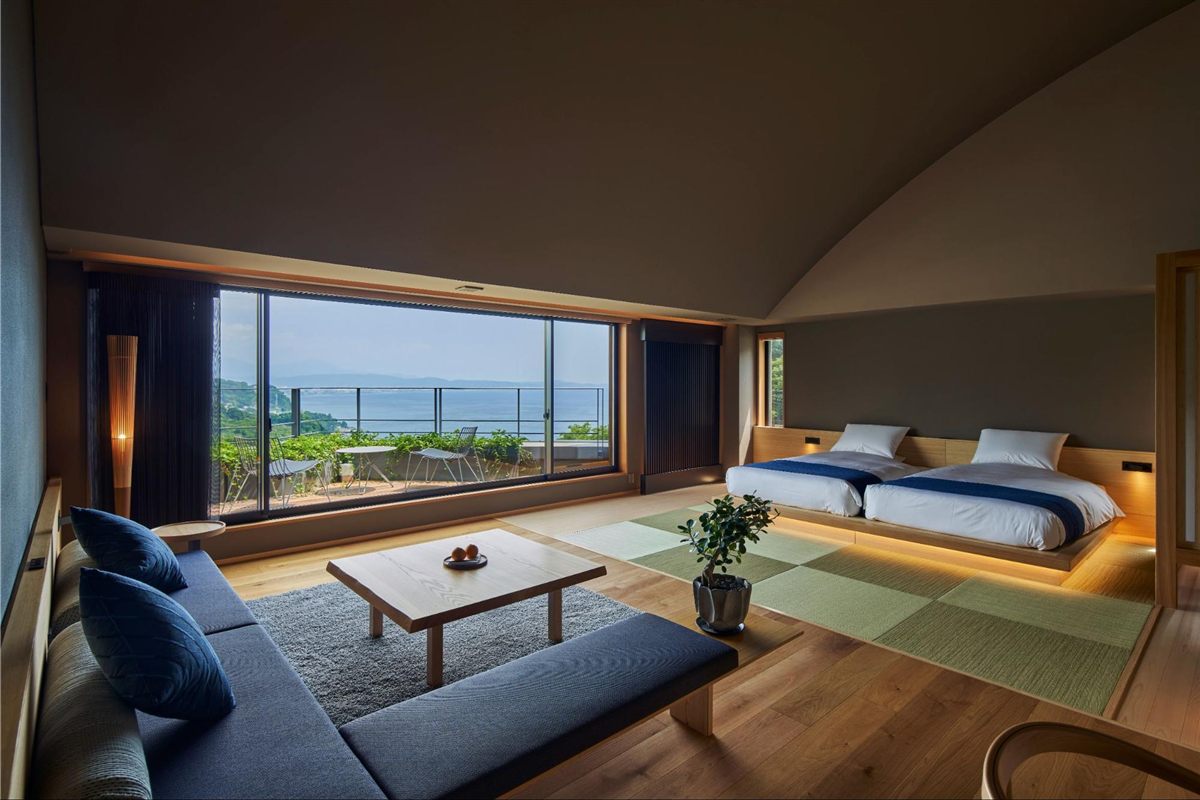
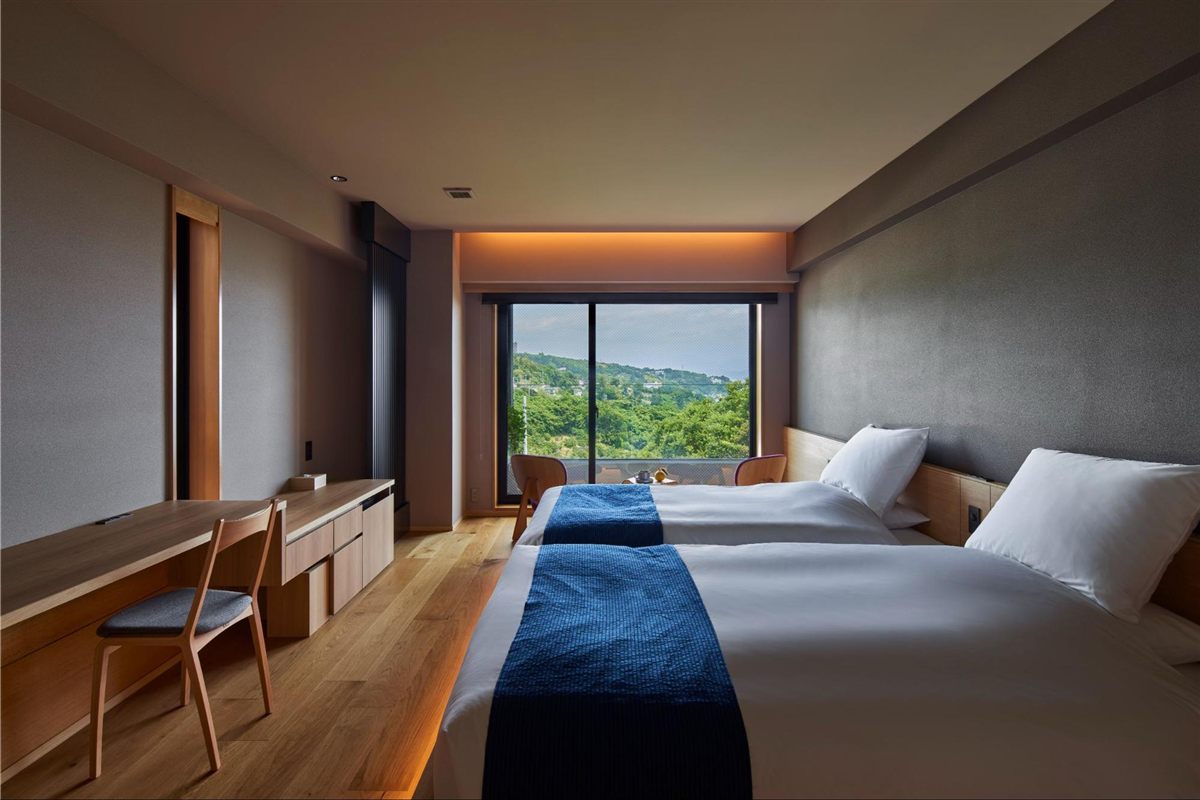
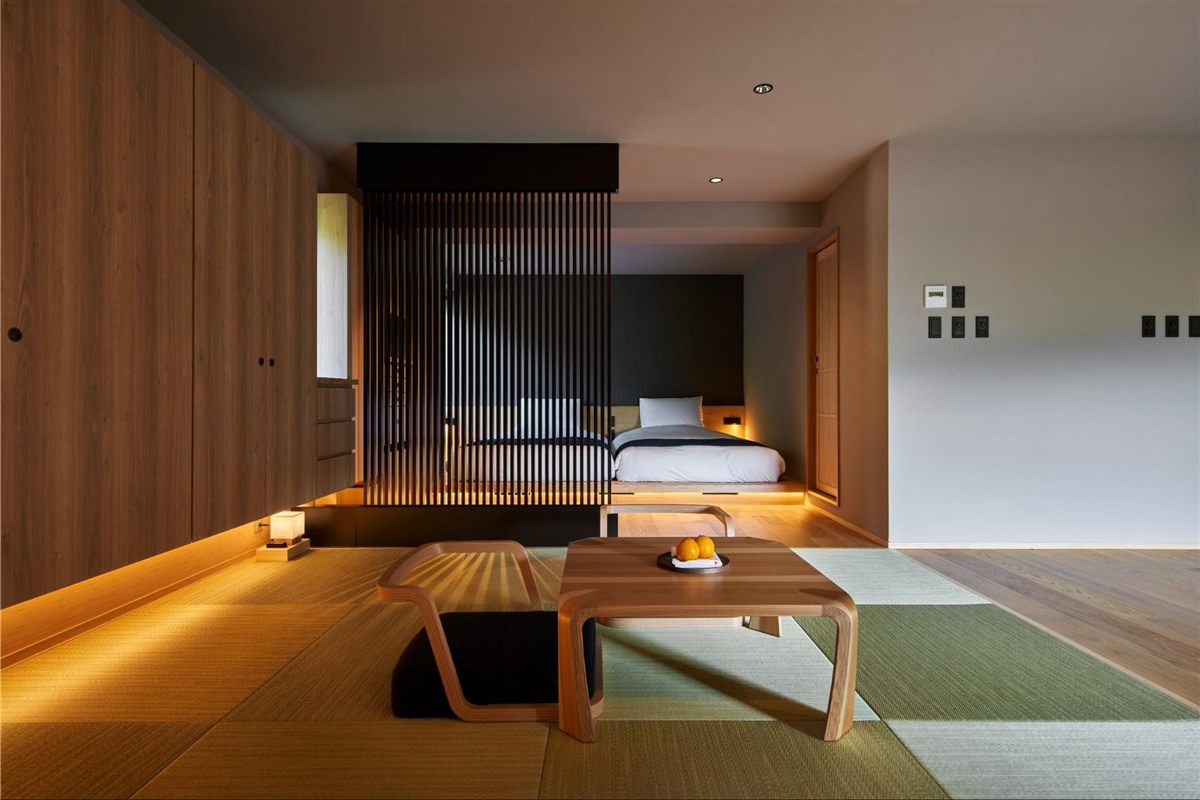
There are four room types, eight rooms in all. On the top floor, theView Suitehas a high curved ceiling and large windows, with a private terrace looking out to the horizon over Sagami Bay.
The others are theCorner Quad, which grows quieter as you move further in, theSuperior Twin, where you can walk a loop between the living area and the bedroom, and the compactStandard Twin (Toji Room).
Every room has a next-generation heating and cooling system called Panel Shade that does not blow air, along with a mattress designed around sleep research — well suited to resting a body that is pleasantly tired after Le Furo.
If you want a long soak in your room, the rooms with a bathtub are theView Suite, Corner Quad and Superior Twin.
Nearby: Enoura Observatory, Hiroshi Sugimoto’s World on the Coast
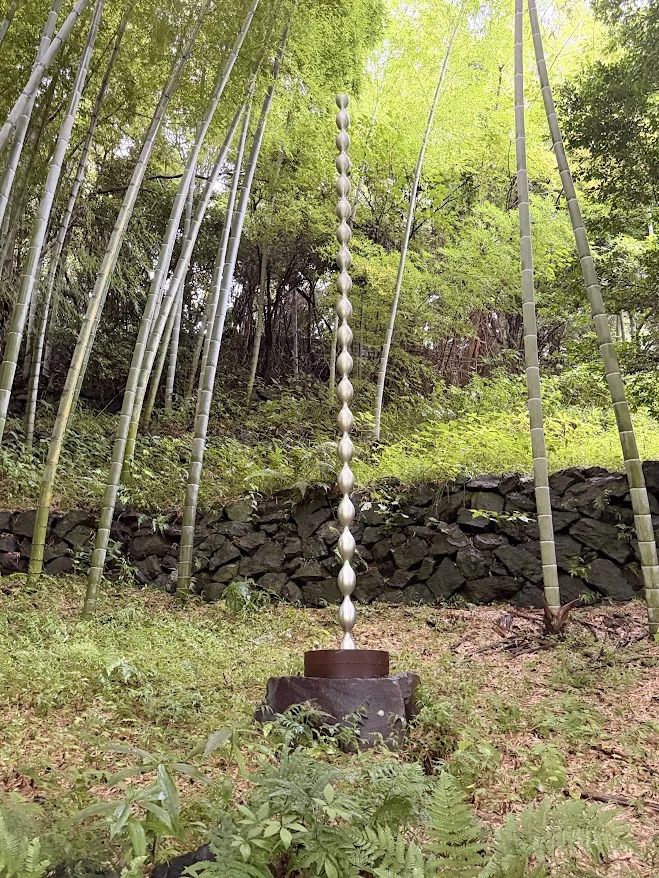
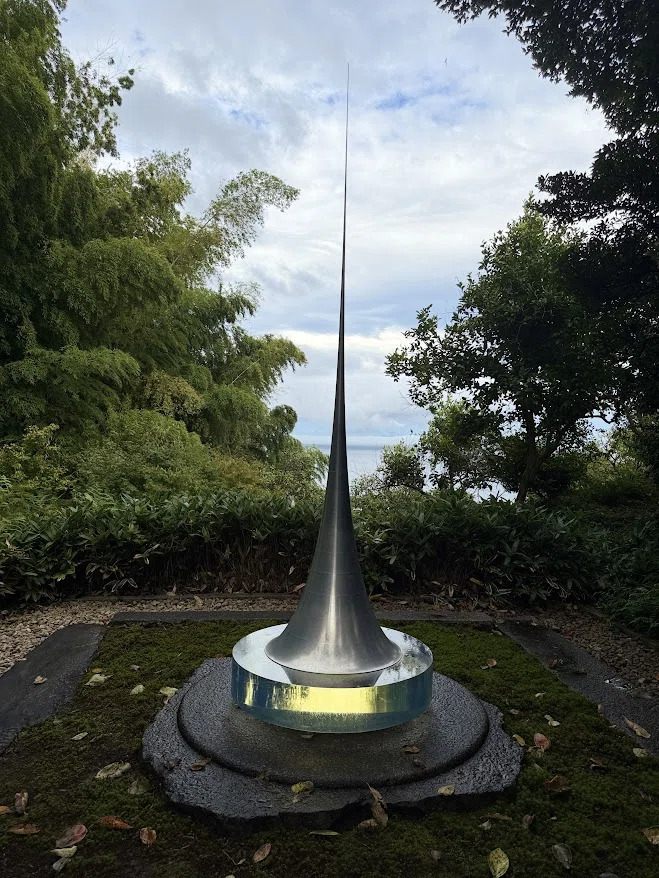
Close to Enoura Retreat Rimon stands theOdawara Art Foundation Enoura Observatory, created by the contemporary artist Hiroshi Sugimoto.
A gallery building runs toward the point where the sun rises on the summer solstice — theSummer Solstice Light Worship 100-Meter Gallery— and a stage built with optical glass appears to project out over the sea, theOptical Glass Stage. The works here circle questions about where art, and human consciousness, began.
Enoura Observatory runs ontimed advance reservations, booked through the official site at least two days before your visit. It closes on Tuesdays and Wednesdays, and children below junior high school age cannot enter.
Same-day tickets are sold by phone from 9:00 only when places remain. Call to ask if you are interested.
| Name | Odawara Art Foundation Enoura Observatory |
| Address | 362-1 Enoura, Odawara, Kanagawa |
| Phone | 0465-42-9170 |
| Visiting hours | Morning session 10:00–13:00 / Afternoon session 13:30–16:30 (last entry 45 minutes before each session ends) |
| Closed | Tuesdays and Wednesdays, the New Year period, and occasional closures |
| Admission | 3,300 yen booked online / 3,850 yen on the day |
| Note | Timed advance reservations, with visitors admitted by session. Children below junior high school age cannot enter |
| Official site | Odawara Art Foundation Enoura Observatory |
Two Days Around Enoura Observatory and Rimon
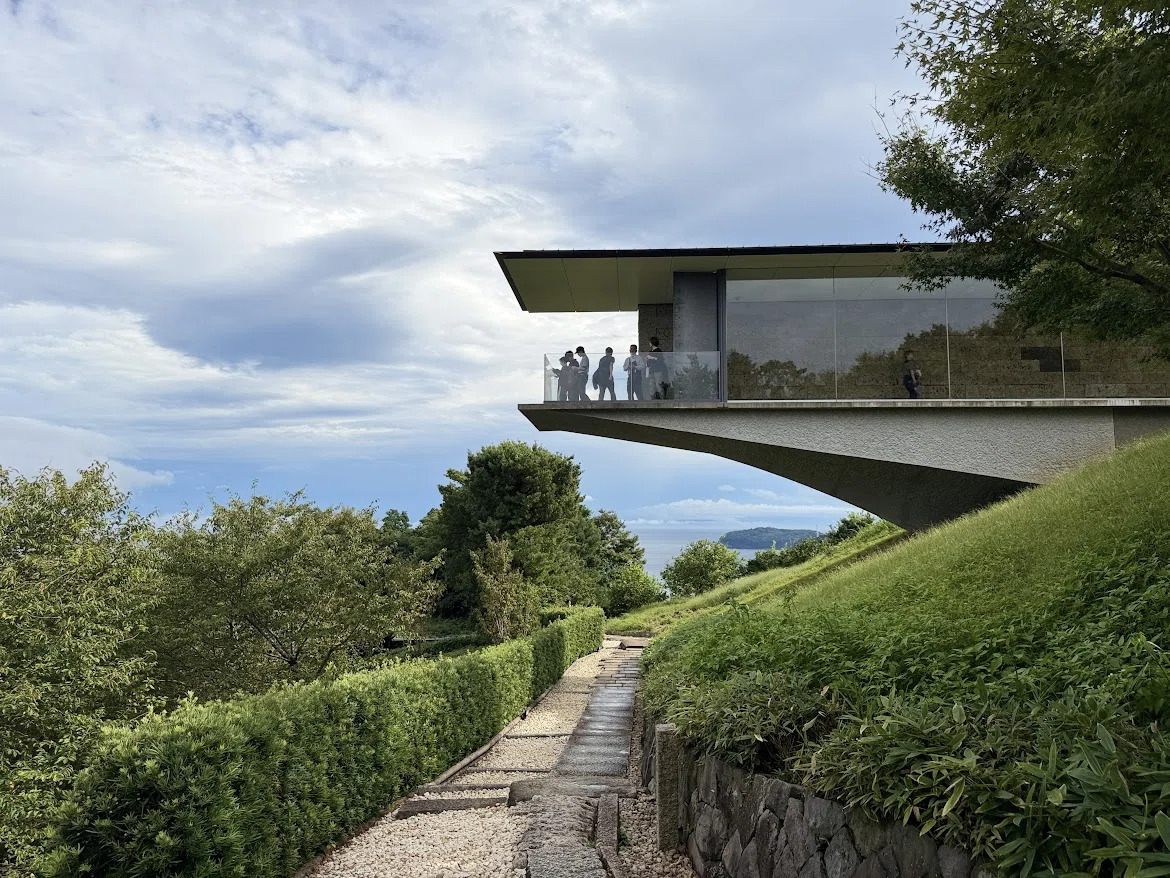
From Odawara Station to Enoura Observatory (reservation required). Take your time with Sugimoto’s work.
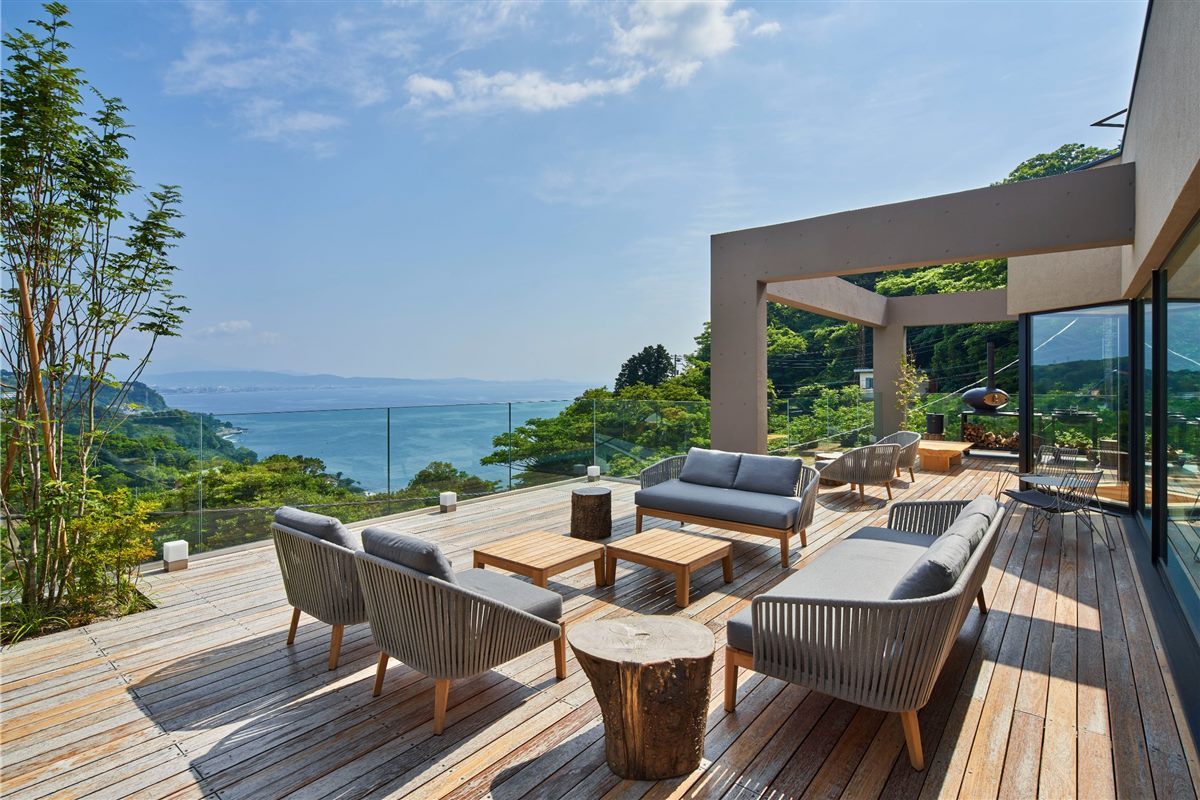
Head to the sea-view terrace when you arrive. A welcome drink, the horizon over Sagami Bay, and a first breath out.
Le Furo before dinner. With breaks in between, about an hour is enough to warm you through.
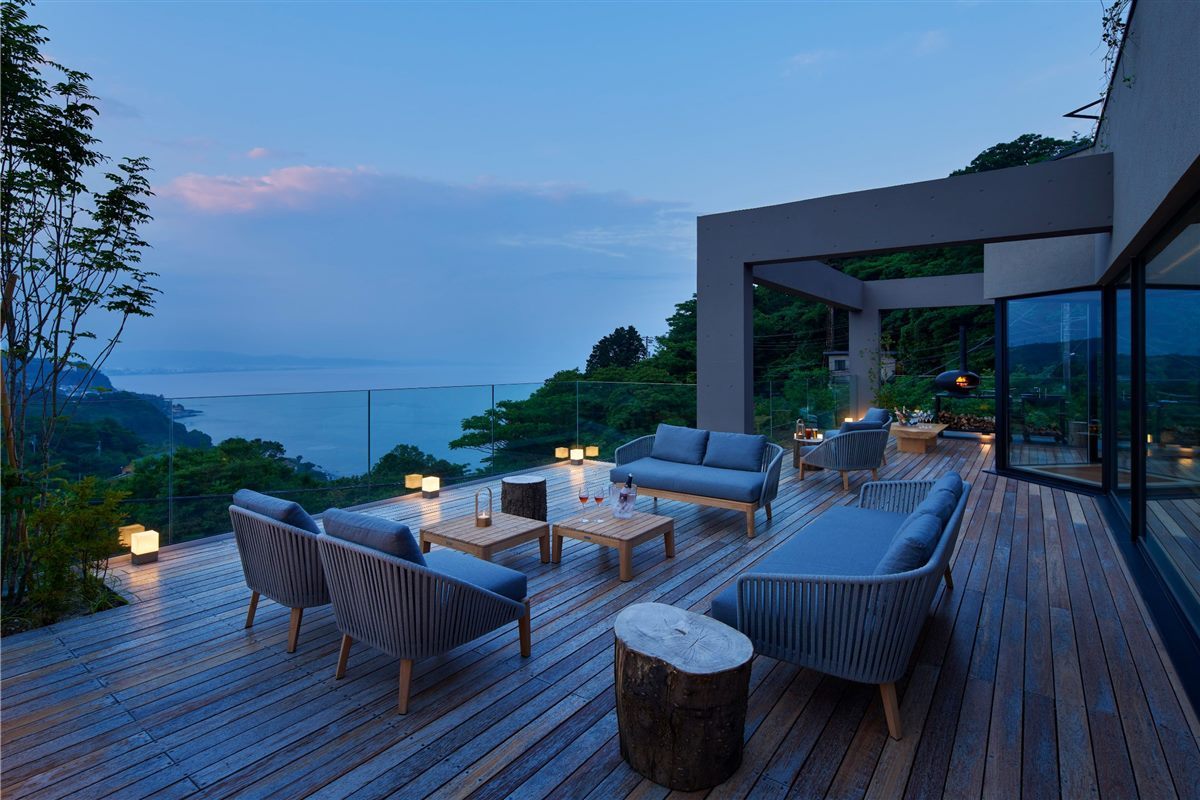
The terrace at dusk reads differently from the daytime. Watching the colors of the sky and the sea shift is its own kind of rest.
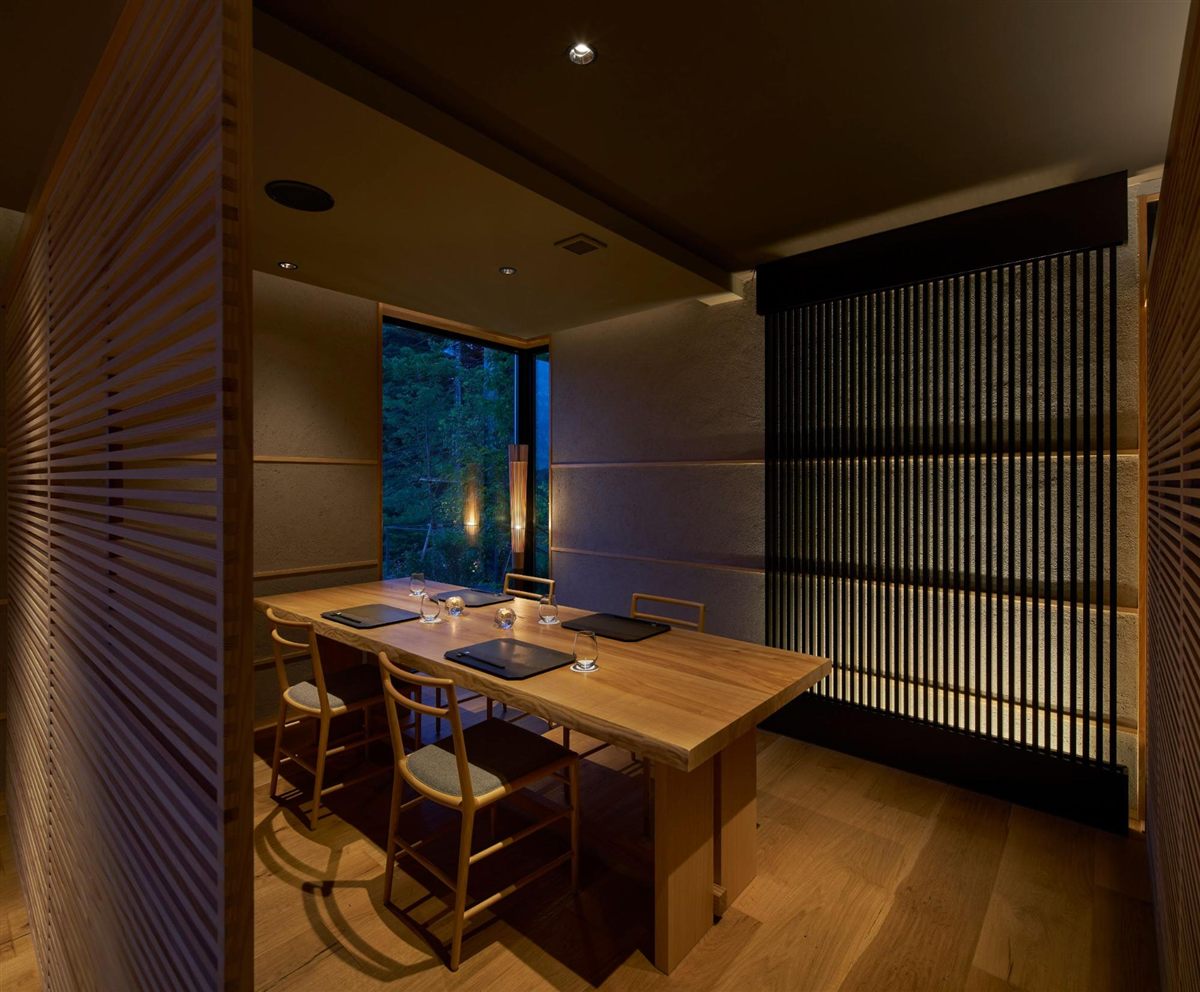
Dinner in the dining room, made from local produce used to the last part.
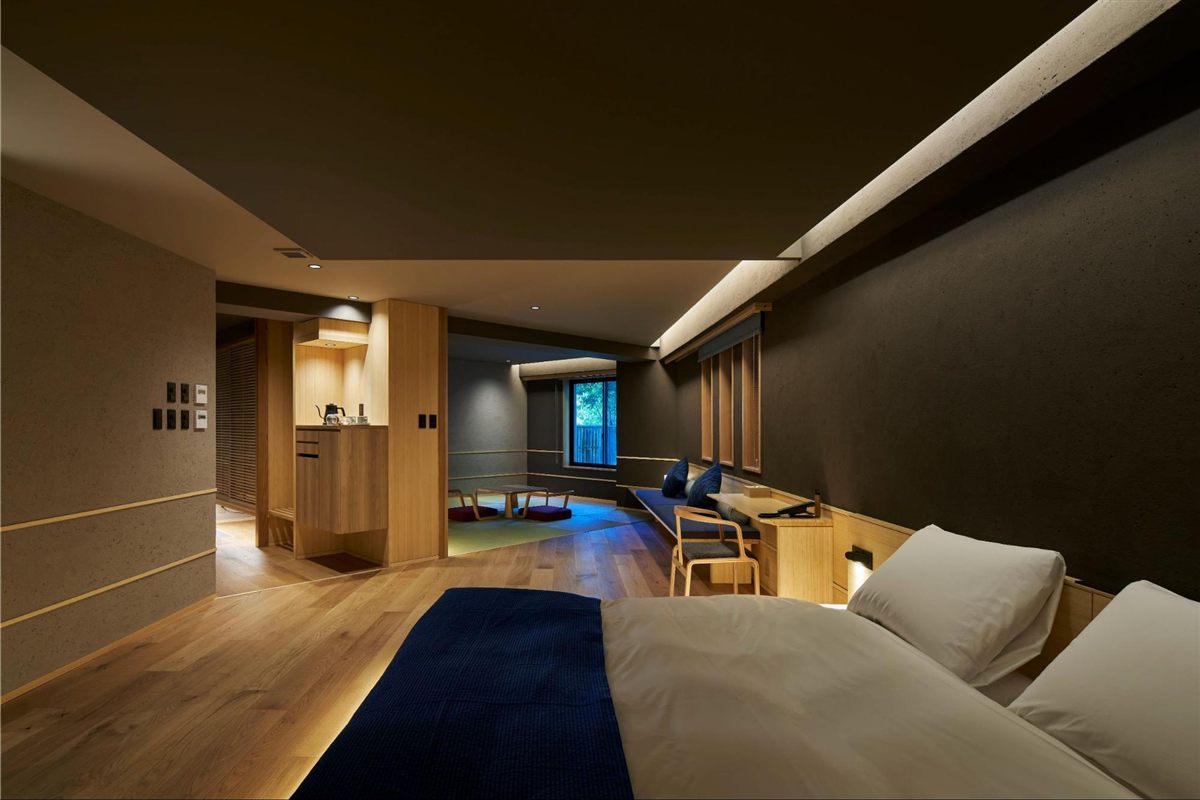

With the day, the warmth of Le Furo and the taste of dinner still with you, sleep comes easily.
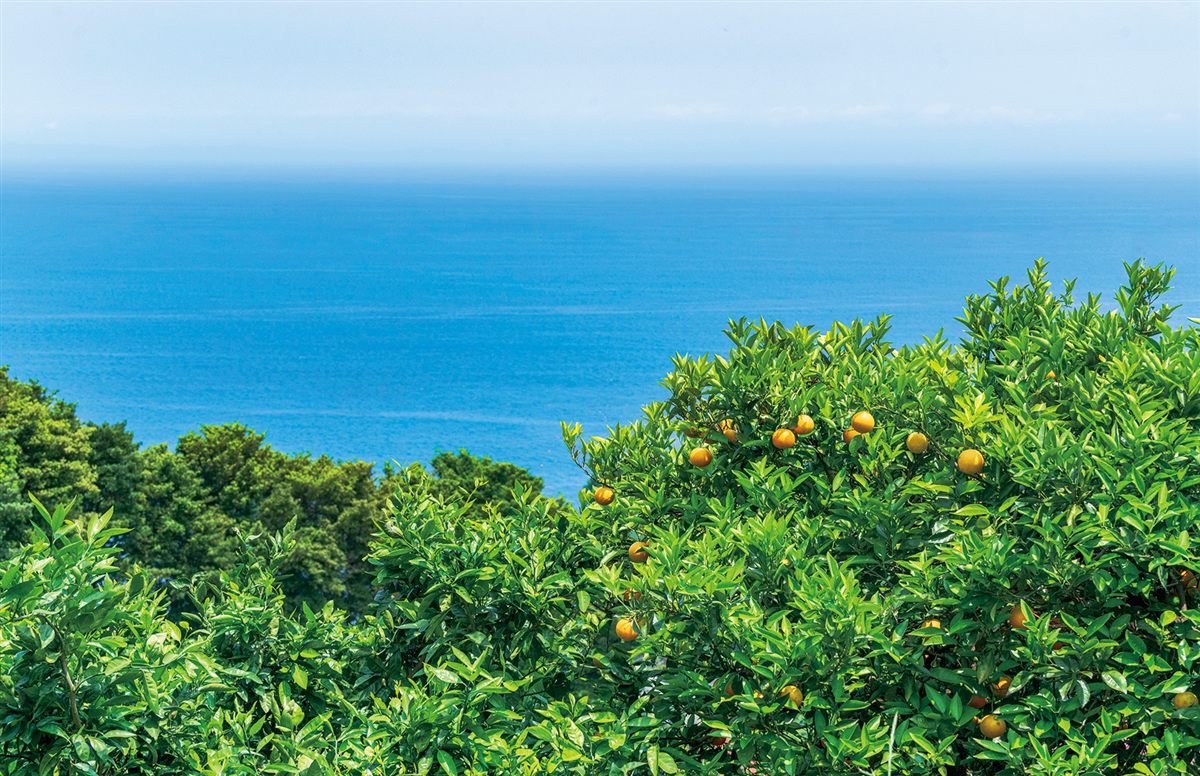
Before breakfast, walk the terraced citrus groves around the hotel. The air moves gently, at a pace unlike the city.

The day starts with a breakfast built around vegetables picked that morning in Odawara.
Before you leave, go back to Le Furo once more. A morning session can feel different from the day before.
The hotel also offers treatments including gua sha, aroma body work and acupuncture. Taken after Le Furo, they loosen things further and help clear the fatigue you arrived with.
Enoura Retreat Rimon: Details and Access
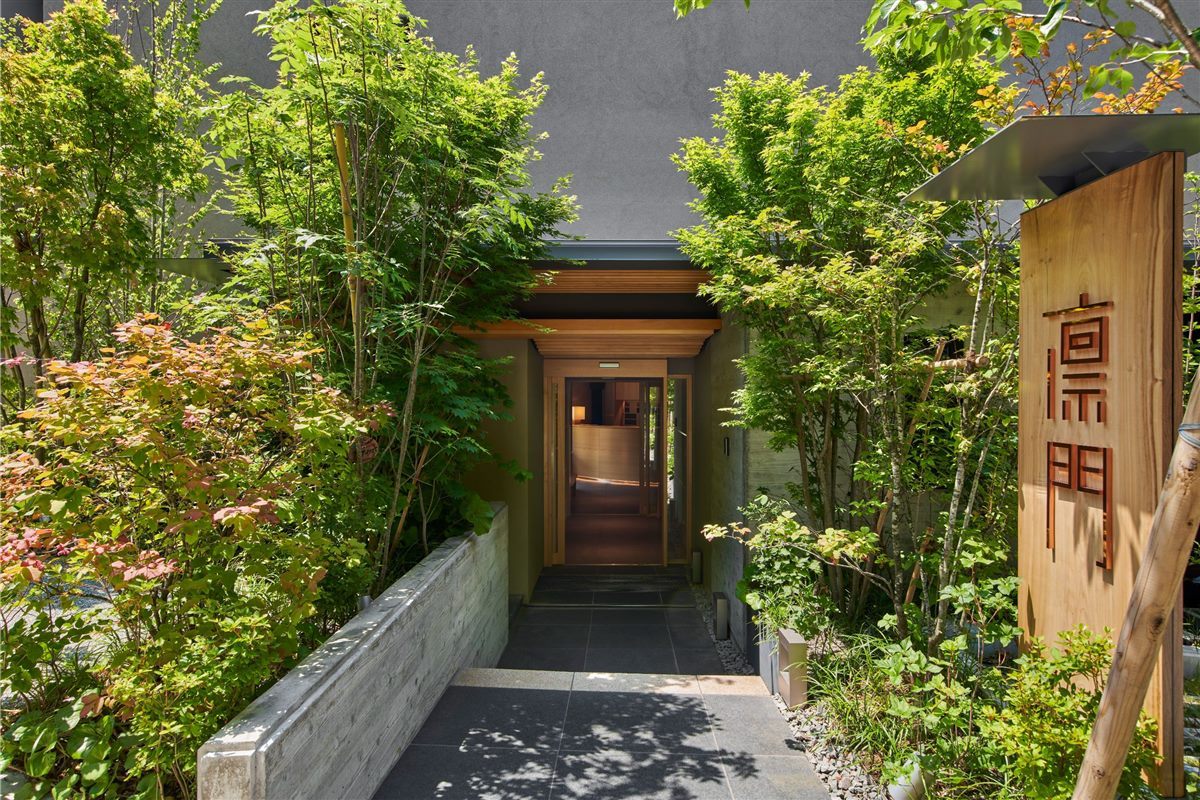
The basics
Three parties a day stay at Enoura Retreat Rimon. If you want a weekend or a holiday period, book early. Plans and rates are listed on the booking page of the official site.
| Name | Enoura Retreat Rimon |
| Address | 218-1 Enoura, Odawara, Kanagawa |
| Phone | 0465-27-3711 (10:00–18:00, closed Tuesdays) |
| Check-in / check-out | 15:00/11:00 |
| Rooms | Eight rooms, with three parties staying each day |
| Age | Guests aged 16 and over |
| Meals | Breakfast included / dinner 24,200 yen (from 18:30, reservation required) |
| Without staying overnight | Lunch with Le Furo 14,520 yen / Le Furo only 6,050 yen / lunch only 8,470 yen / afternoon tea 4,840 yen (all by reservation) |
| Official site | Enoura Retreat Rimon |
Rates are per person and include tax and service charge, as listed on the official site in September 2026. Check the official site for current information.
Access: About an Hour From Tokyo Station by Shinkansen and Local Train
By train, take the Tokaido Shinkansen from Tokyo Stationto Odawara Station, about 33 minutes. Change to the JR Tokaido Linefor Nebukawa Station, about 7 minutes. From Nebukawa Station the hotel’sfree shuttle (reservation required)takes about 7 minutes. Ask for it when you book if you want to go straight from the station. Nebukawa is a small unstaffed station with no taxis waiting outside, so arranging the shuttle in advance is the safer plan.
By car, it is about 39 minutes from the Atsugi interchange on the Tomei Expressway via the Odawara-Atsugi Road and the Seisho Bypass to the Ishibashi interchange, then about 12 minutes along Prefectural Route 740. The roads near the hotel are narrow with many curves, so drive slowly.
Frequently Asked Questions
- Can we stay with children?
Enoura Retreat Rimon accepts guests aged 16 and over. It suits a trip where adults want quiet time.
- Can I enjoy it if I am uneasy about shared bathing?
Le Furo is taken wearing a robe provided by the hotel, so you are not undressed. The View Suite, Corner Quad and Superior Twin also have bathtubs, so you can soak in your own room.
- Can I use the hotel without staying the night?
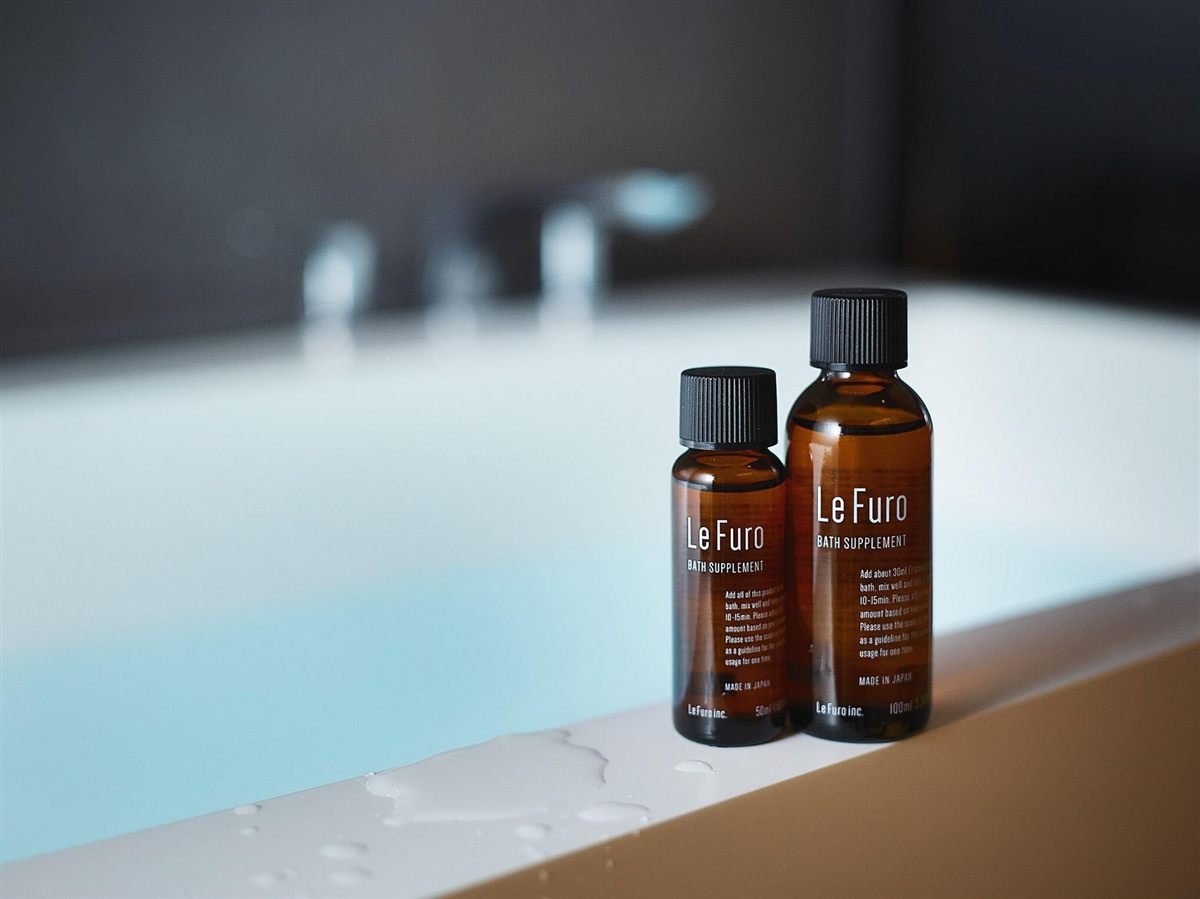
Lunch, afternoon tea and Le Furo are open to day visitors, all by reservation. Le Furo alone is 6,050 yen, and lunch with Le Furo is 14,520 yen (as of September 2026). Book by phone or email.
- How do I get from the nearest station to the hotel?
From Nebukawa Station on the JR Tokaido Line, the hotel’s free shuttle takes about 7 minutes; it needs to be reserved. No taxis wait outside Nebukawa Station, so ask for the shuttle when you book.
Summary
Enoura Retreat Rimon is a quiet place where three parties stay each day, built around the Le Furo bath and Japanese cooking that goes easy on the body. The meals are made carefully from local produce, and the whole stay works well as a way to treat someone who matters to you.
A room without a television, the sea in front of you, the warmth of Le Furo, and a seasonal course for dinner. If that kind of unhurried luxury sounds right to share with a partner or a close friend, put Enoura Observatory and Enoura Retreat Rimon together in the same trip.