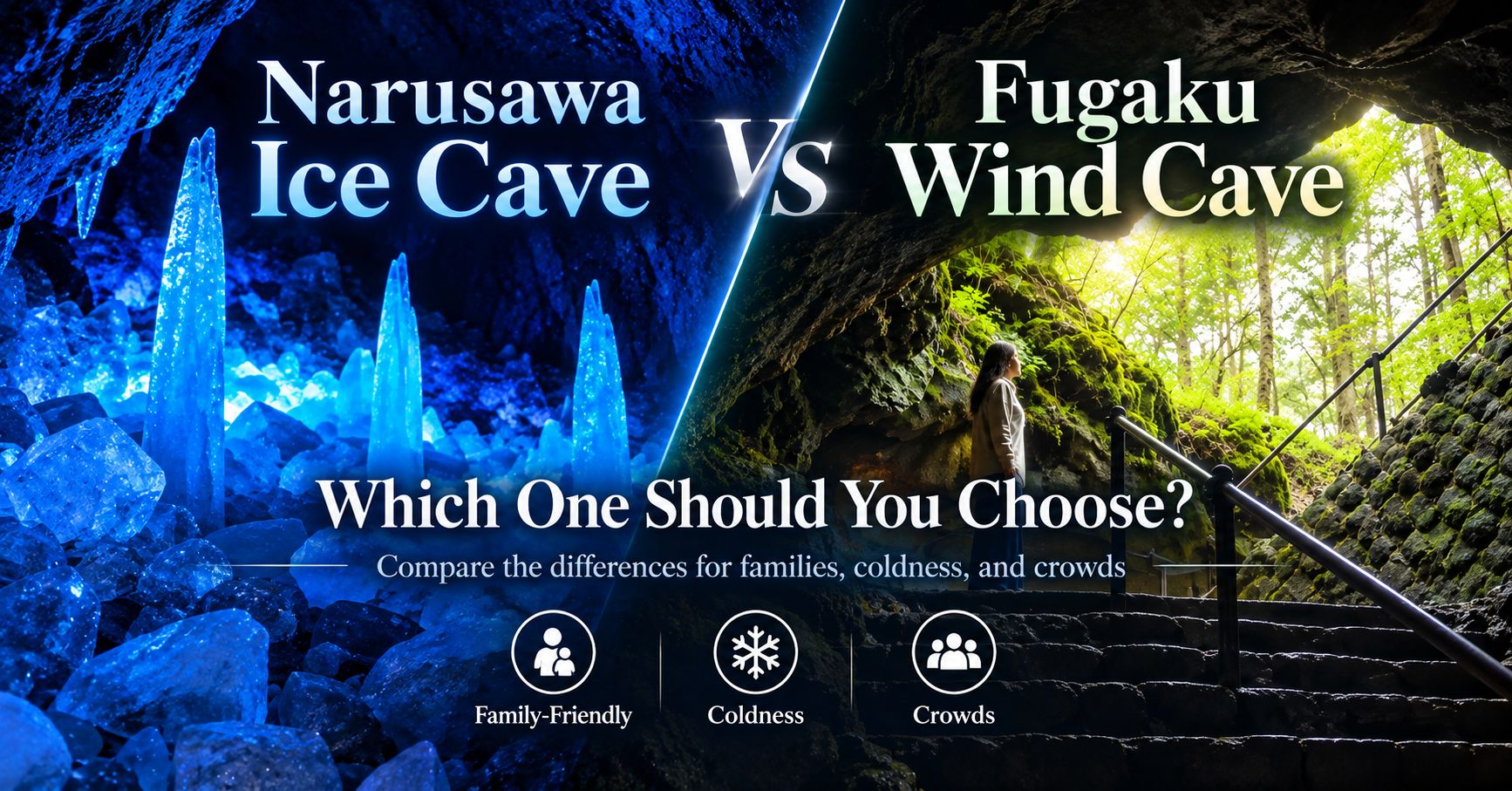
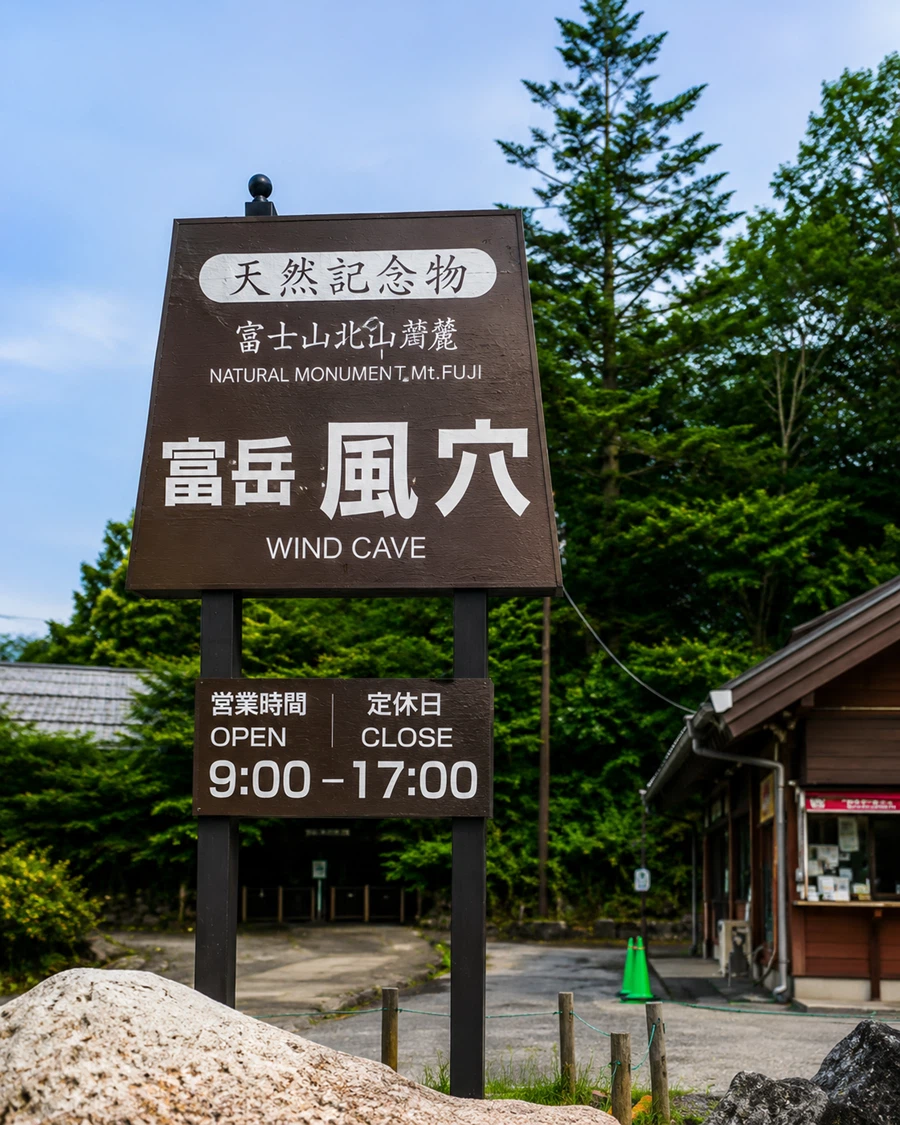
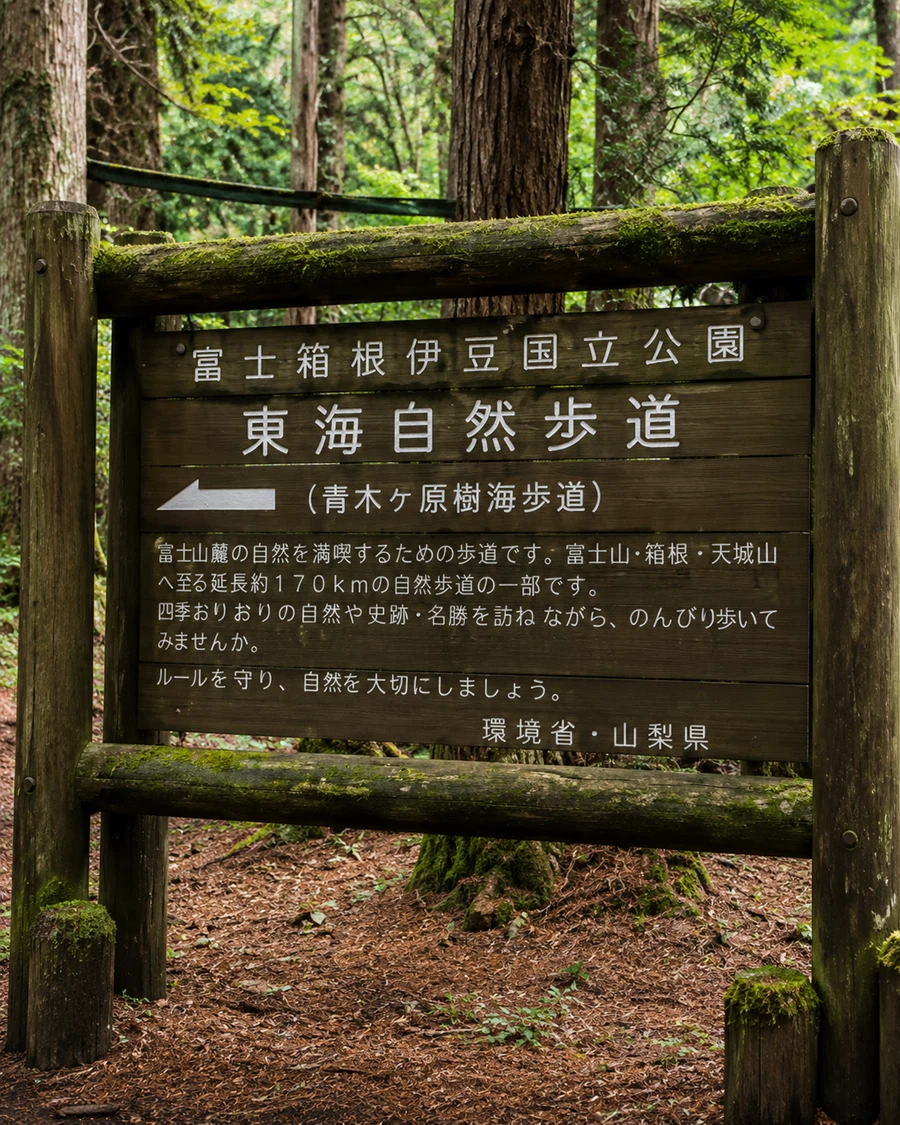
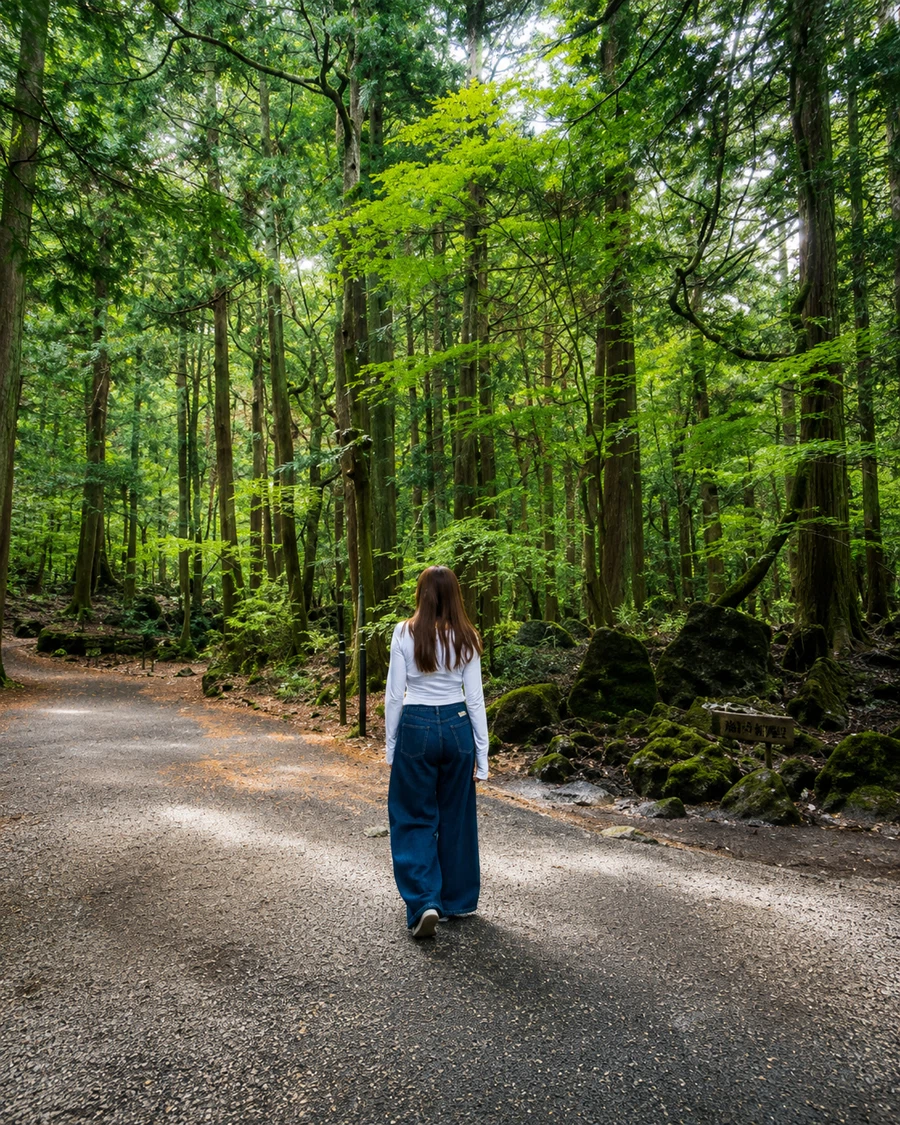
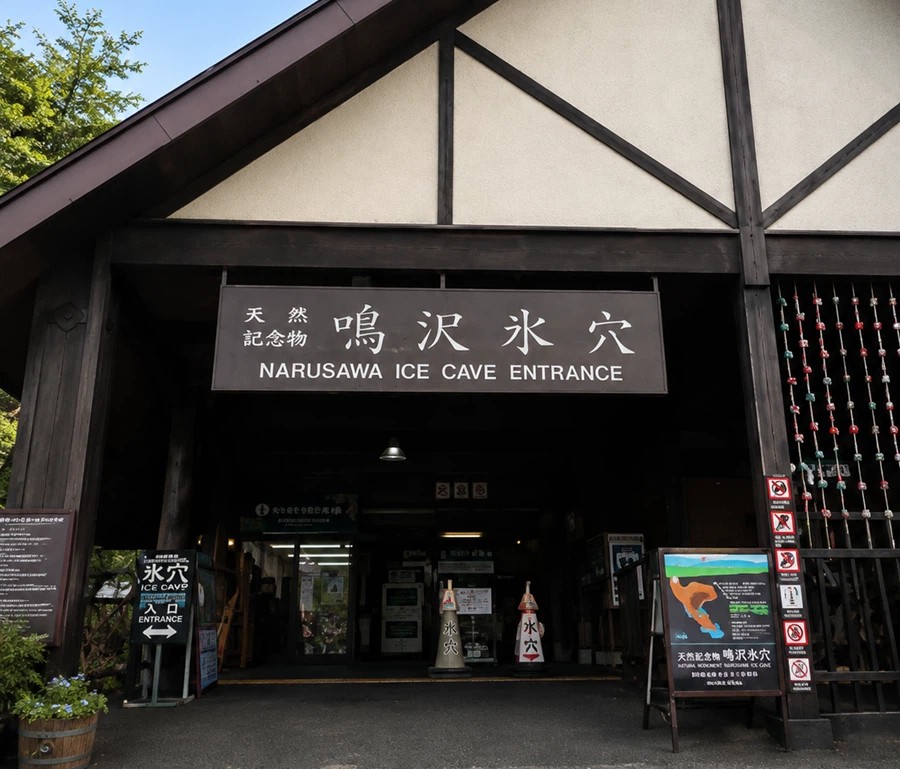
Narusawa Ice Cave and Fugaku Wind Cave both sit in the Aokigahara Forest on the northwest side of Mt. Fuji. Both are lava caves formed by the eruption of 864, and both are National Natural Monuments.
They are only about 1.6 kilometers apart, roughly 2 minutes by car or a 15 to 30 minute walk. Being that close and that similar is why so many visitors ask which one to pick.
The short answer is that there is little reason to choose just one. Seeing both takes about 90 minutes, and there is a combination ticket. If you do have to pick one, the differences below will tell you which.
Narusawa Ice Cave and Fugaku Wind Cave at a Glance
| Narusawa Ice Cave | Fugaku Wind Cave | |
|---|---|---|
| Shape | Vertical (stairs down) | Horizontal (almost level) |
| Length | About 153 m | About 201 m |
| Time inside | About 6-7 min | About 15 min |
| Walking | Steep stairs, narrow passages, ceiling as low as 91 cm | Little elevation change, easy going |
| How cold it feels | Cold | Cool |
| Crowds | Fills up | Usually moves along |
| Children | Under 100 cm cannot enter | No height or age limit |
| Highlights | Ice pillars, the hell hole | Ice pillars, ropy lava, natural refrigerator, siliceous sinter |
| Address | 8533 Narusawa | 2068-1 Saiko Aokigahara, Fujikawaguchiko |
| Admission | Both 350 yen for adults, 200 yen for elementary school students and younger (combination ticket: 600 yen adults, 300 yen students) | |
Five Points of Comparison
Shape: Vertical at Narusawa, Horizontal at Fugaku
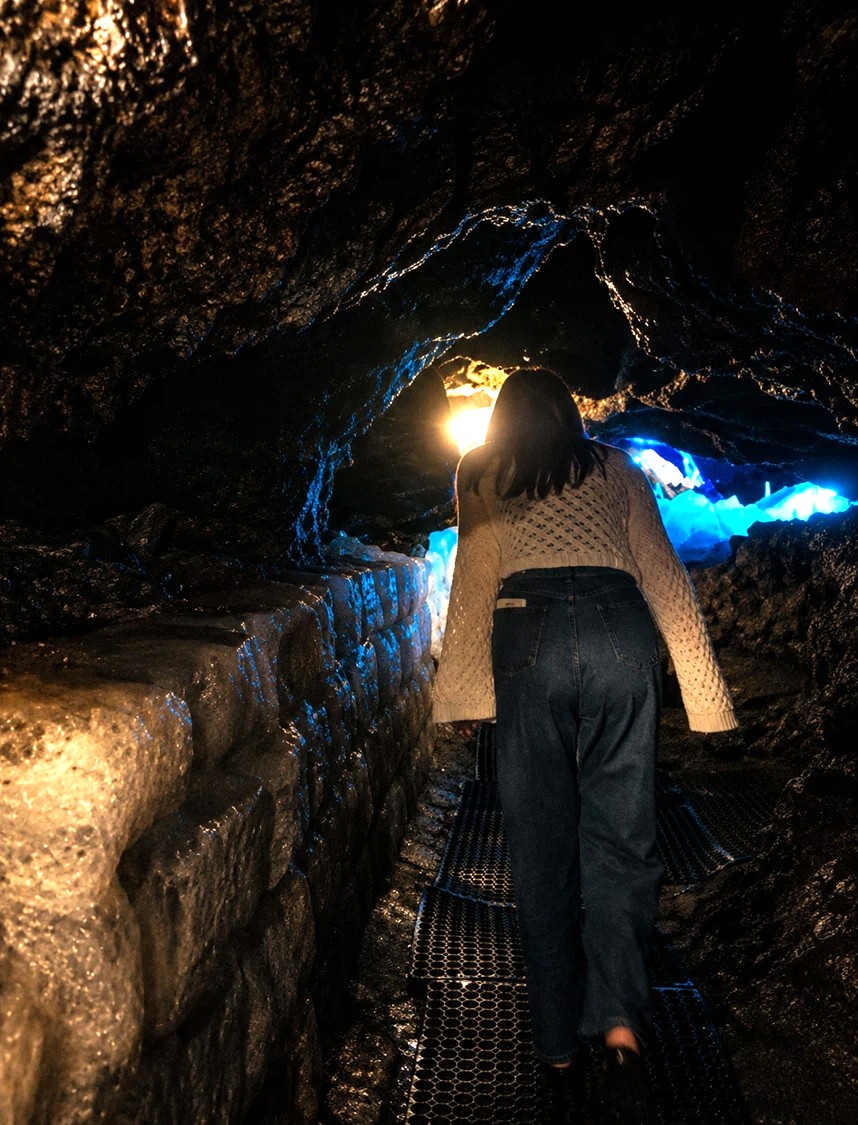
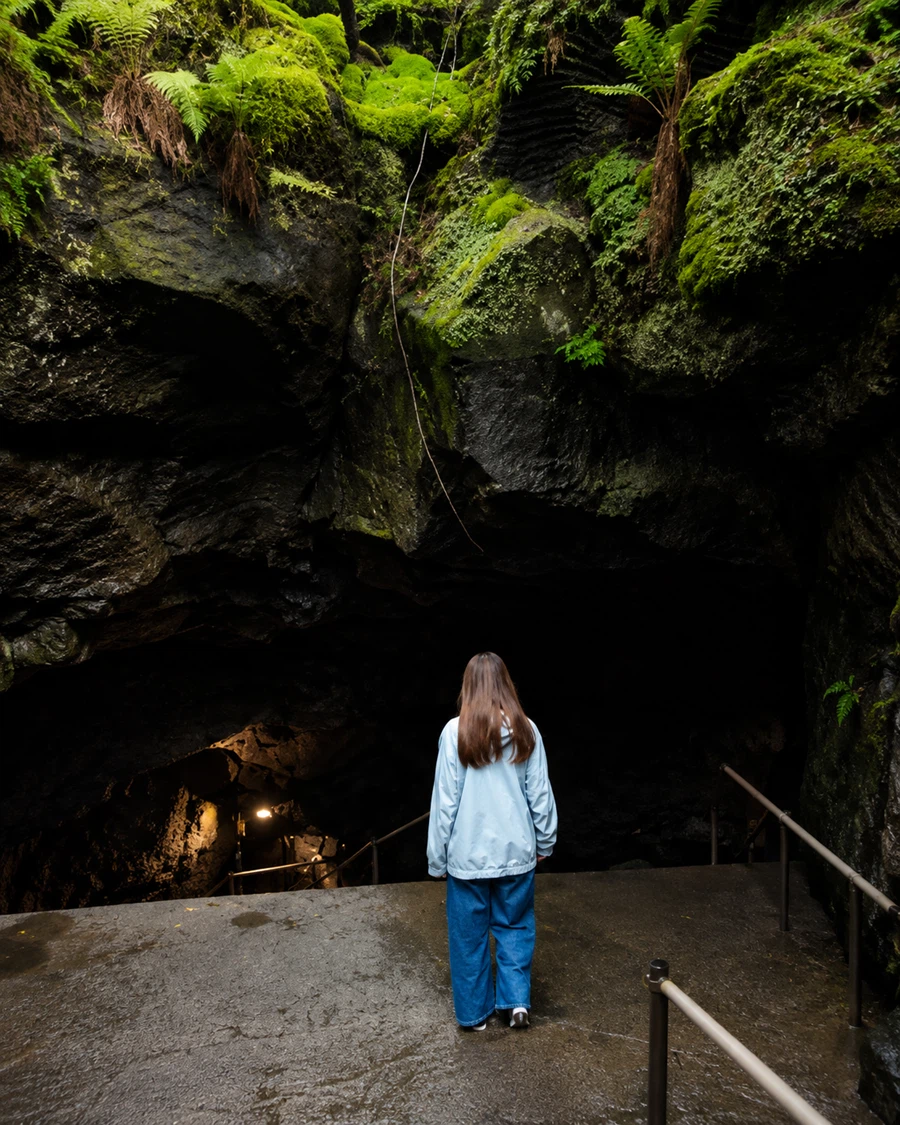
The same eruption made both caves, but their shapes are nothing alike.
Narusawa Ice Cave runs vertically. You take stairs down from the entrance to 21 meters underground, loop around, and come back. The stone stairs are damp, passages are narrow, and in places the ceiling drops to 91 centimeters. With sections where you crouch, it feels like caving.
Fugaku Wind Cave runs horizontally. It is gentle throughout with almost no change in elevation. At 201 meters it is longer than the ice cave, but far easier to walk.
That difference in shape drives nearly everything else: how cold it feels, how crowded it gets, and whether small children can go in.
Cold: Same 3°C, but Narusawa Feels Colder
Both average about 3°C year round, but Narusawa Ice Cave feels colder.
The reason is the vertical shape. Cold air is heavy and settles toward the bottom. Air that enters in winter stays at the base of the cave and is less affected by conditions outside, so the same reading feels sharper.
Either way you are inside for under 15 minutes. A heavy coat is unnecessary; one extra layer is enough.
Children: Only Narusawa Has a Height Limit
This is the one thing to check before you go.
Children under 100 cm cannot enter Narusawa Ice Cave. Carrying them in your arms or on your back is also refused, because the cave is narrow and has hazardous sections.
Fugaku Wind Cave has no height or age restriction. Baby carriers are allowed.
Pets cannot enter either cave. Both are National Natural Monuments, and carriers are not permitted. Groups with a pet take turns going in.
Crowds: Narusawa Fills Up Faster
Narusawa Ice Cave gets busier. It is better known, and the narrow passage limits how many people can move through at once.
Lines form at the entrance from about 11:00 to 14:00 during summer vacation, Golden Week, and long weekends. To take your time, go early in the morning or toward the end of the day.
Historical Use: Silkworm Eggs and Natural Ice
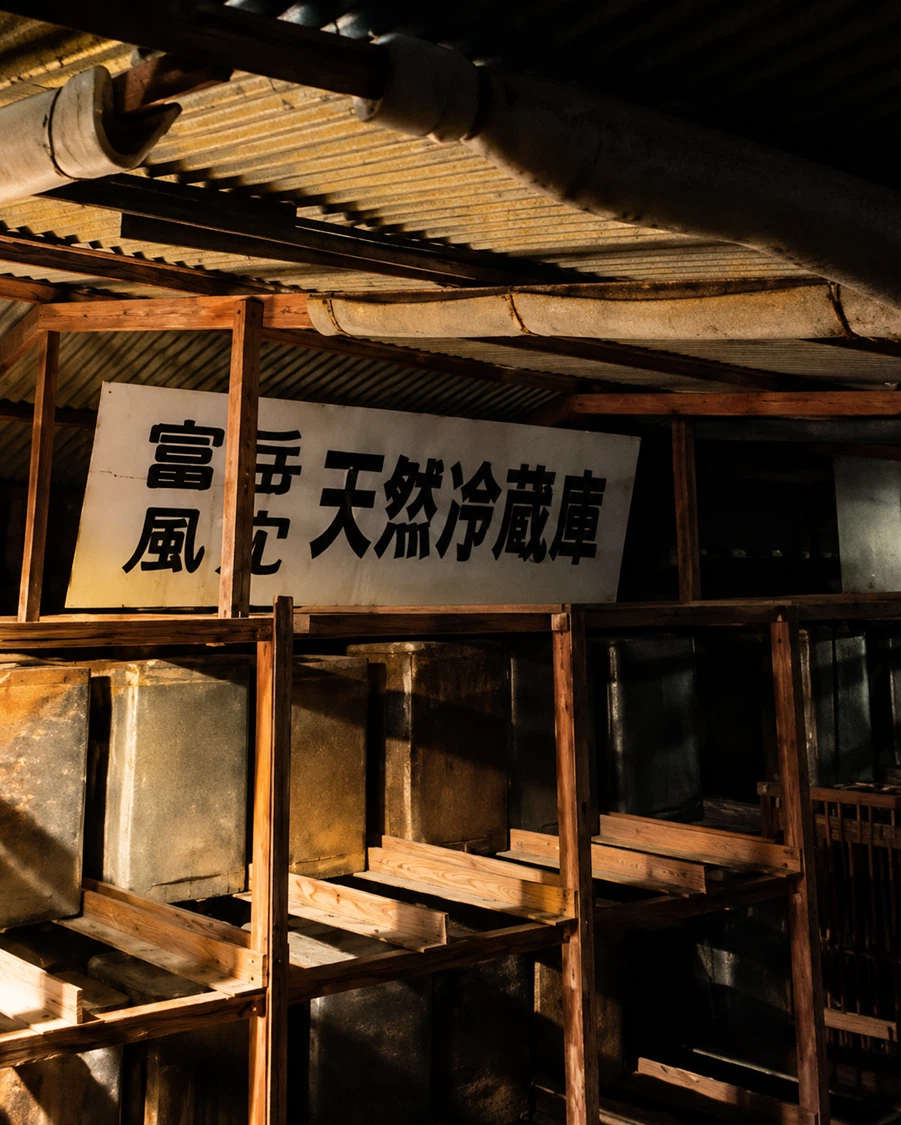
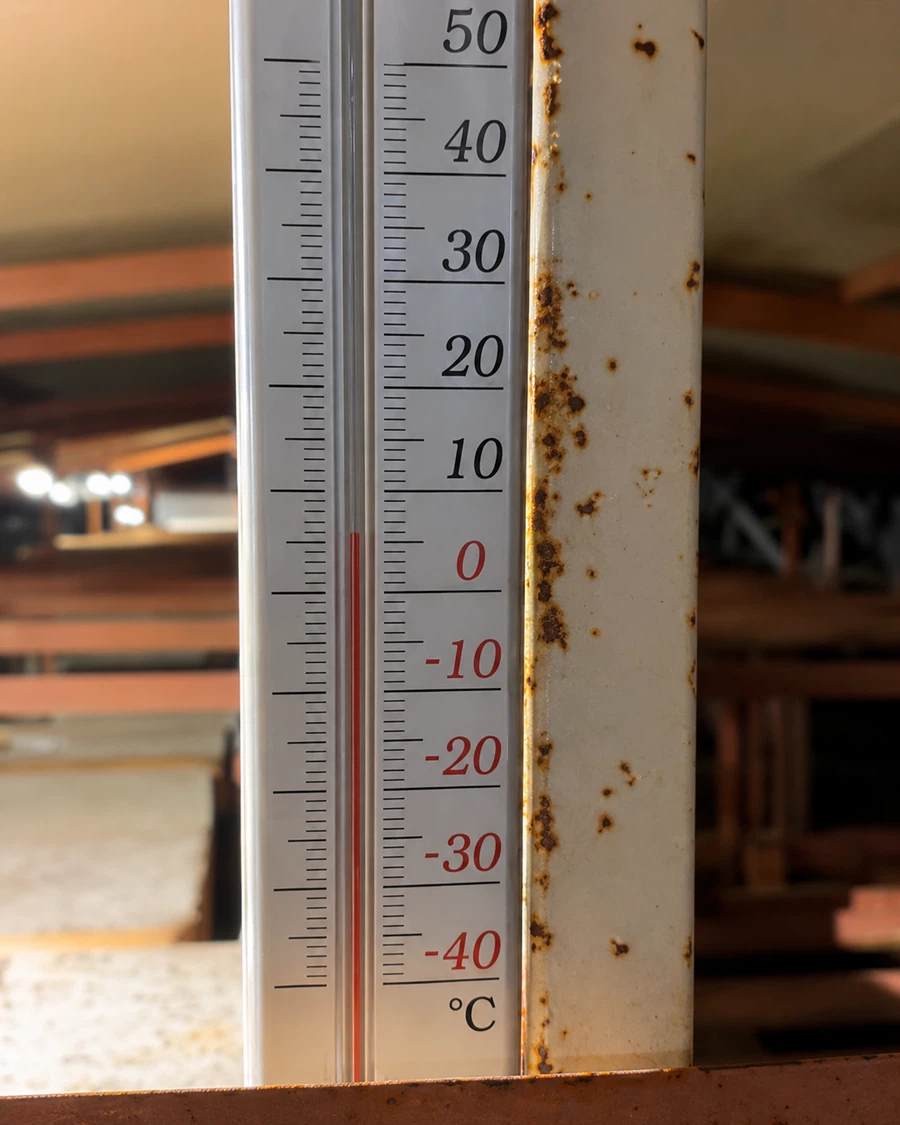
Before refrigeration, these two caves were used as actual cold storage.
Fugaku Wind Cave stored silkworm eggs and tree seeds into the early Showa era. The racks are still at the deepest point and can be seen today.
Narusawa Ice Cave is said to have been used to keep natural ice, and to store silkworm eggs as well.
They were working infrastructure rather than sights to visit. Seen that way, the interiors read a little differently.
Which One First: Wind Cave, Then Ice Cave
Travel sites usually suggest starting with Fugaku Wind Cave. In practice, the order makes little difference.
It matters when you are unsure about the walking. Getting used to a cave at the level Fugaku Wind Cave before the stairs at Narusawa Ice Cave keeps it manageable. To avoid crowds instead, take the busier Narusawa Ice Cave first thing in the morning.
Parking is free at both, with room for about 100 cars each. You do have to park twice, but the drive between them is about 2 minutes.
The Verdict: If You Cannot Decide, Do Both
Narusawa Ice Cave takes 6 to 7 minutes and Fugaku Wind Cave 15. Including the drive, 90 minutes covers both. Bought separately the tickets come to 700 yen; the combination ticket is 600 yen for adults and 300 yen for elementary school students.
If you are choosing one, use this:
- You want the feeling of caving, or photos – Narusawa Ice Cave
- You have small children, or are unsure of your footing – Fugaku Wind Cave
- You only have 15 minutes – Narusawa Ice Cave, 6 to 7 minutes inside
- You want to take in the geology and history – Fugaku Wind Cave
Admission, hours, clothing, and access for each cave are covered in their own articles. Worth a look before you go.
Read More: Related Articles
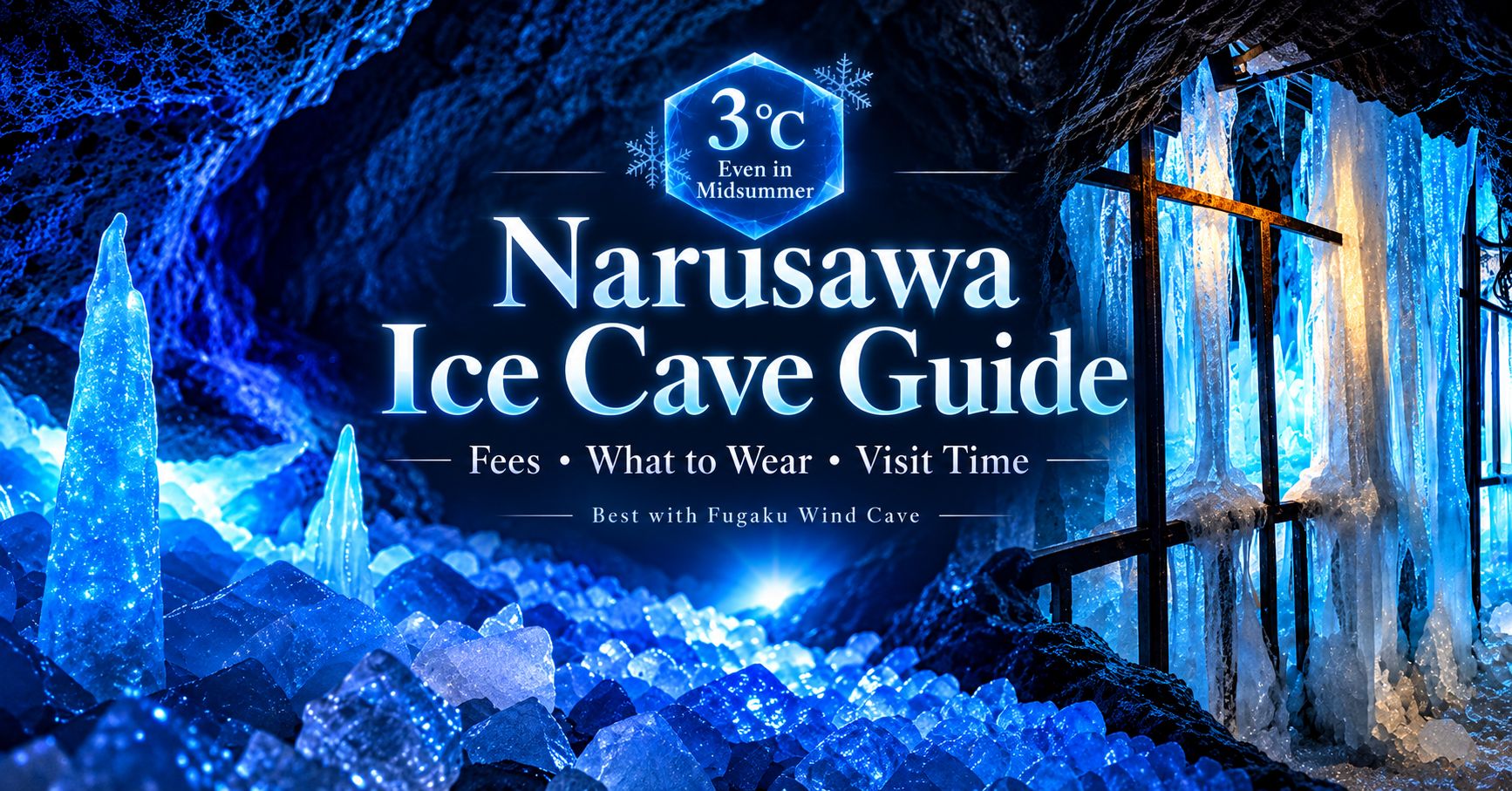
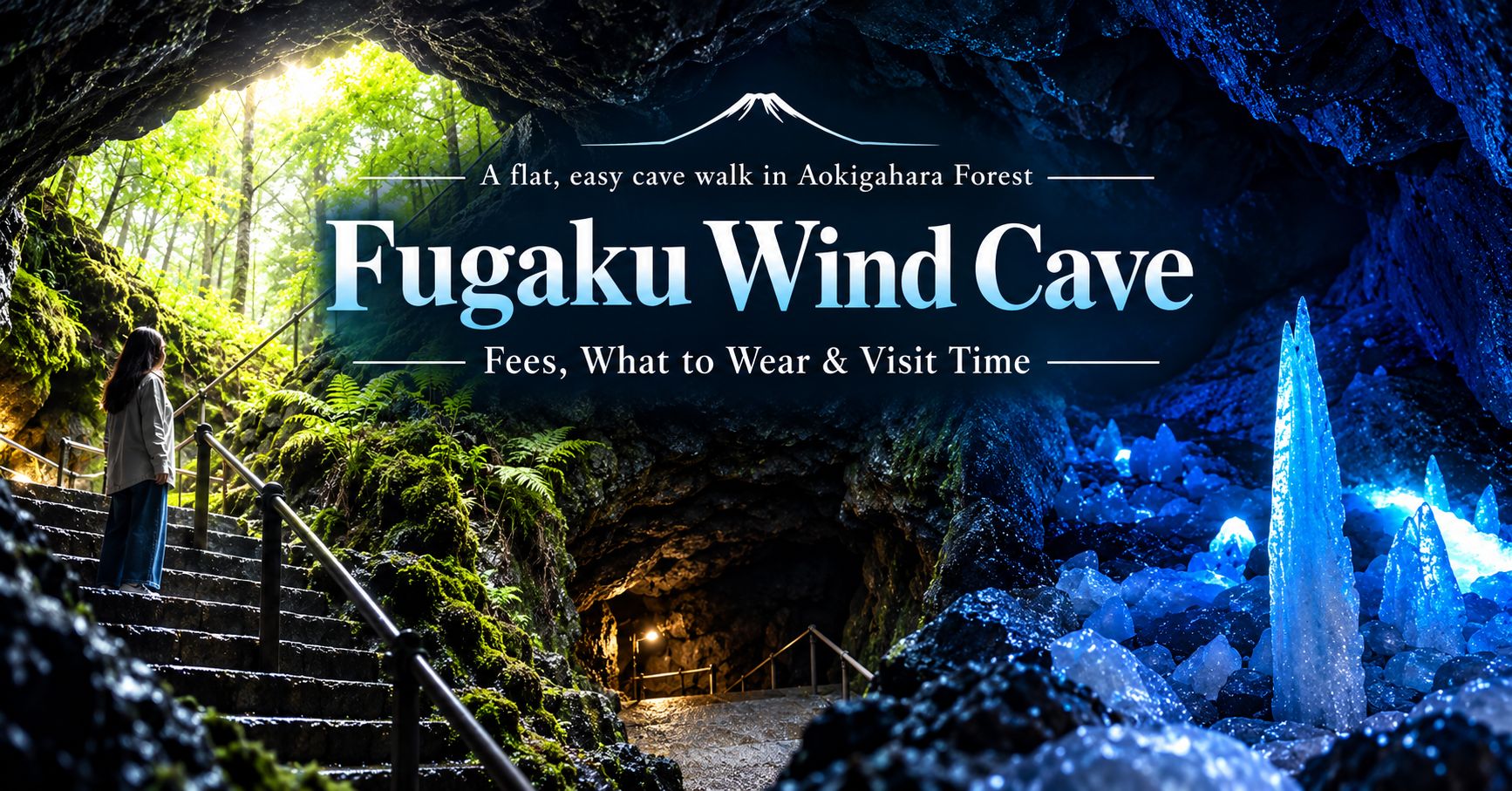

A Base for the Day: Glamping Village Fuji Kawaguchiko
Both caves are about 20 minutes by car from Lake Kawaguchi. A day trip works, but staying nearby lets you go in first thing in the morning, before the crowds build. That is the surest way to avoid the lines.
Glamping Village Fuji Kawaguchiko sits right between the two. The name says Fuji Kawaguchiko, but the property is in Narusawa Village, a short drive from either cave.
Every unit has its own hot spring bath, with room types from suite villas facing Mt. Fuji to garden domes in the forest. After a day in two caves at 3°C, you can warm up in the bath in your own room.
| Address | 7430 Narusawa, Narusawa Village, Minamitsuru District, Yamanashi 401-0320 |
|---|---|
| Website | https://en.nature-glamping.com/ |
Read More: Related Articles



Summary
The difference between Narusawa Ice Cave and Fugaku Wind Cave comes down to one thing: vertical or horizontal. How cold it feels, how crowded it gets, and whether children can enter all follow from that.
Narusawa Ice Cave for the thrill of caving, Fugaku Wind Cave for easy walking and more to look at. But they are 1.6 kilometers apart, both together take 90 minutes, and the combination ticket is 600 yen for adults. If you cannot decide, doing both is the answer.
Two caves from the same eruption end up this different because of shape alone. Seeing that back to back is the real reason to visit both.
Read More: Features You May Like
-

[Complete Guide] Enjoy Scenic Views & Nature: A Day Trip to Mt. Fuji Subaru Line 5th Station (with Hotel Recommendations)
-
What Are “Yuru-Chara” in the Fuji Area? | Meet Japan’s Local Mascot Characters
-
【Fuji Area】Mt. Fuji, Yamanashi – Live Cameras, Weather & X
-
【Famous & Hidden Spots】Yamanashi Autumn Foliage Guide 2025
-
Nagaike Shinsui Park | A Free Spot with a Head-On View of Mt. Fuji Across Lake Yamanaka | Seasonal Highlights, Café, and Where to Stay
-
Travel by Local Trains on the “JR Line” and “Fujikyu Railway” ~ With Quick Fare Guide