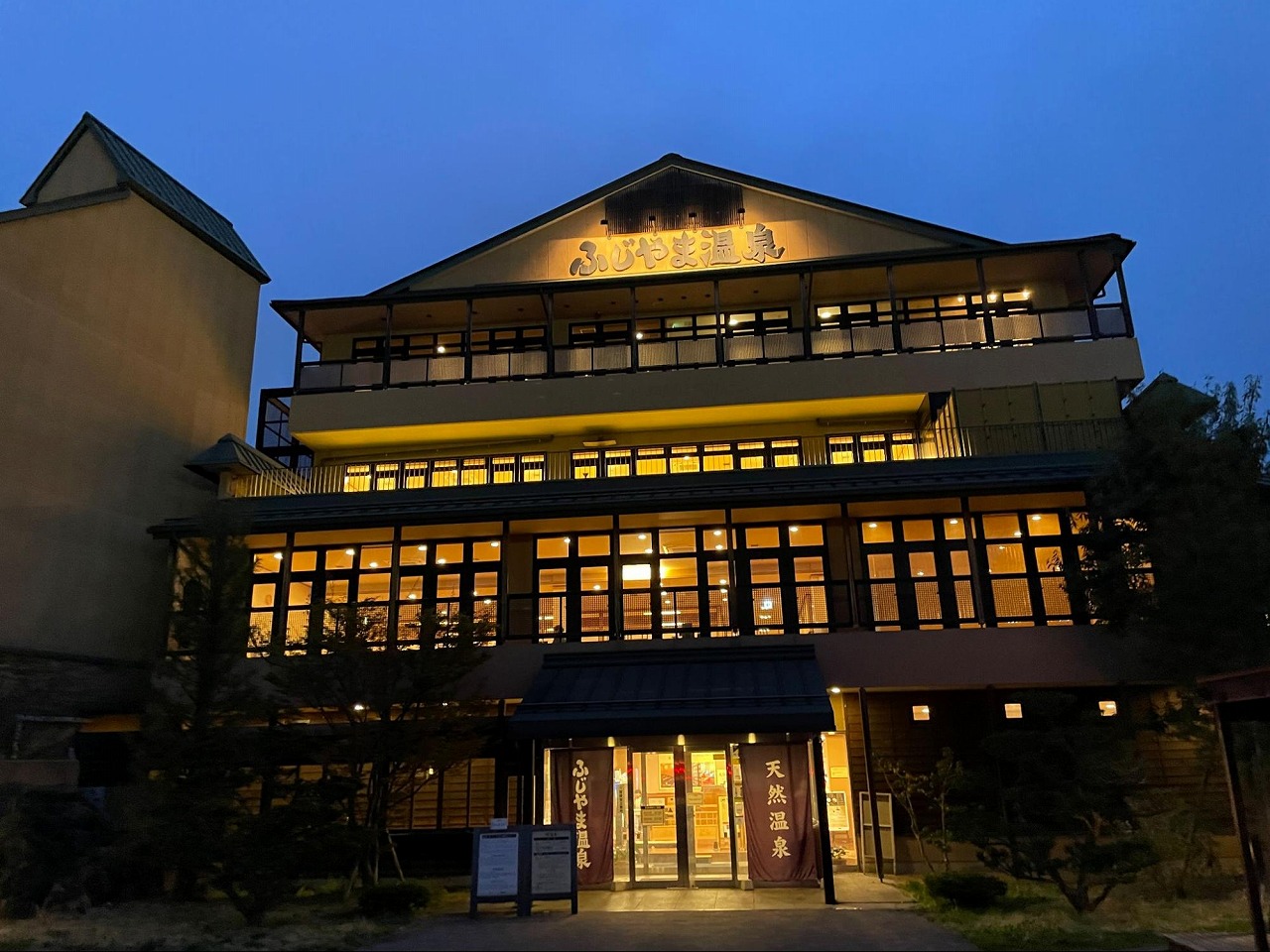
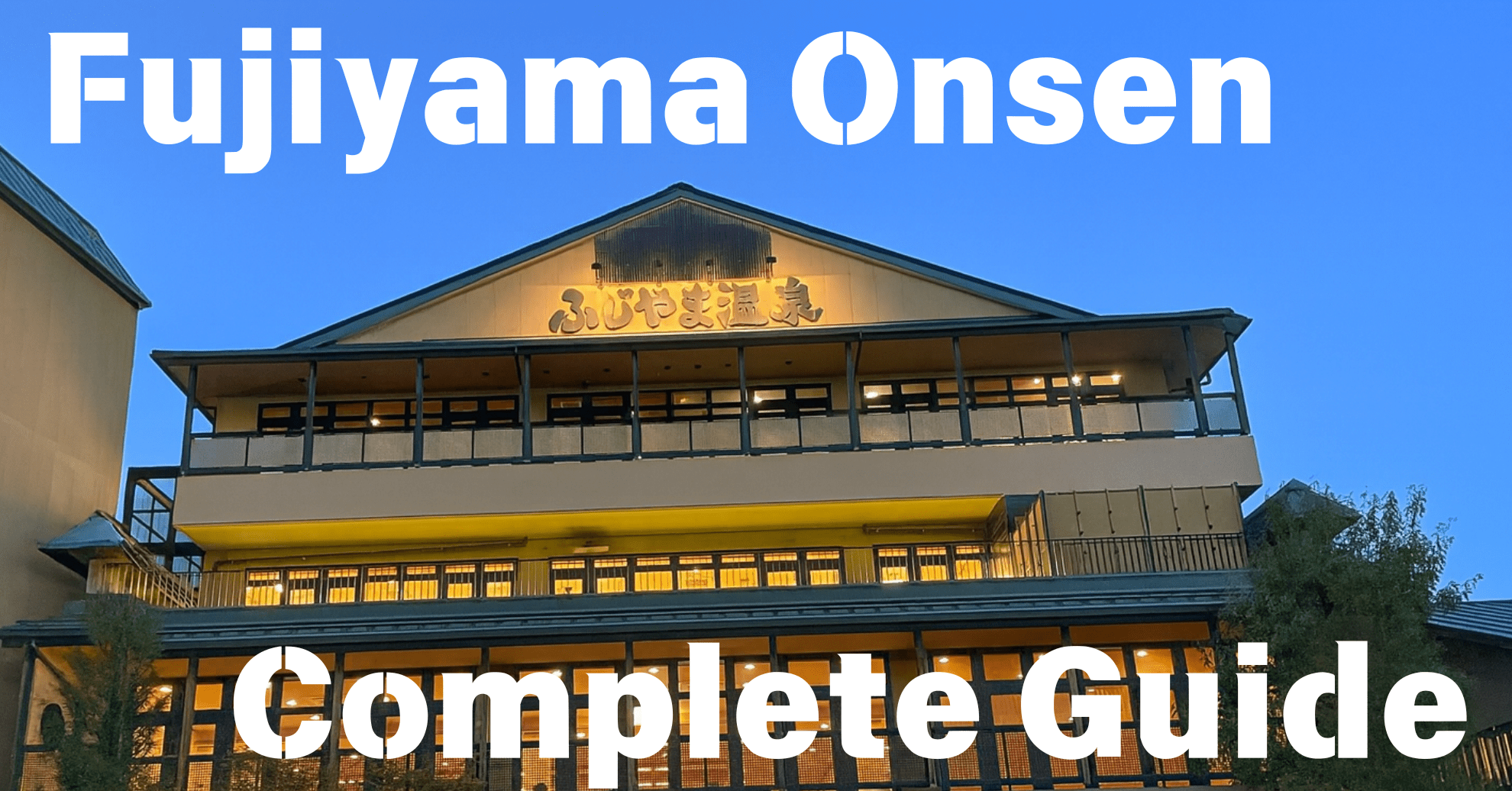
One of the most highly recommended hot spring facilities in the Mt. Fuji area among travelers is Fujiyama Onsen.
Located in a prime spot with views of Mt. Fuji and right next to Fuji-Q Highland, it’s a popular destination for visitors to the region.
In this article, we provide a detailed report on the “ideal one-day model plan at Fujiyama Onsen,” so even first-time visitors can enjoy their stay with complete peace of mind.
Whether you’re looking for a day-use hot spring around Mt. Fuji, a relaxing onsen to unwind after Fuji-Q Highland, or simply wondering, “What is Fujiyama Onsen really like?” — this guide has you covered.
Be sure to read until the end!
What Makes Fujiyama Onsen So Special?
Long beloved by travelers visiting Mt. Fuji and Fuji-Q Highland, Fujiyama Onsen stands out for many reasons.
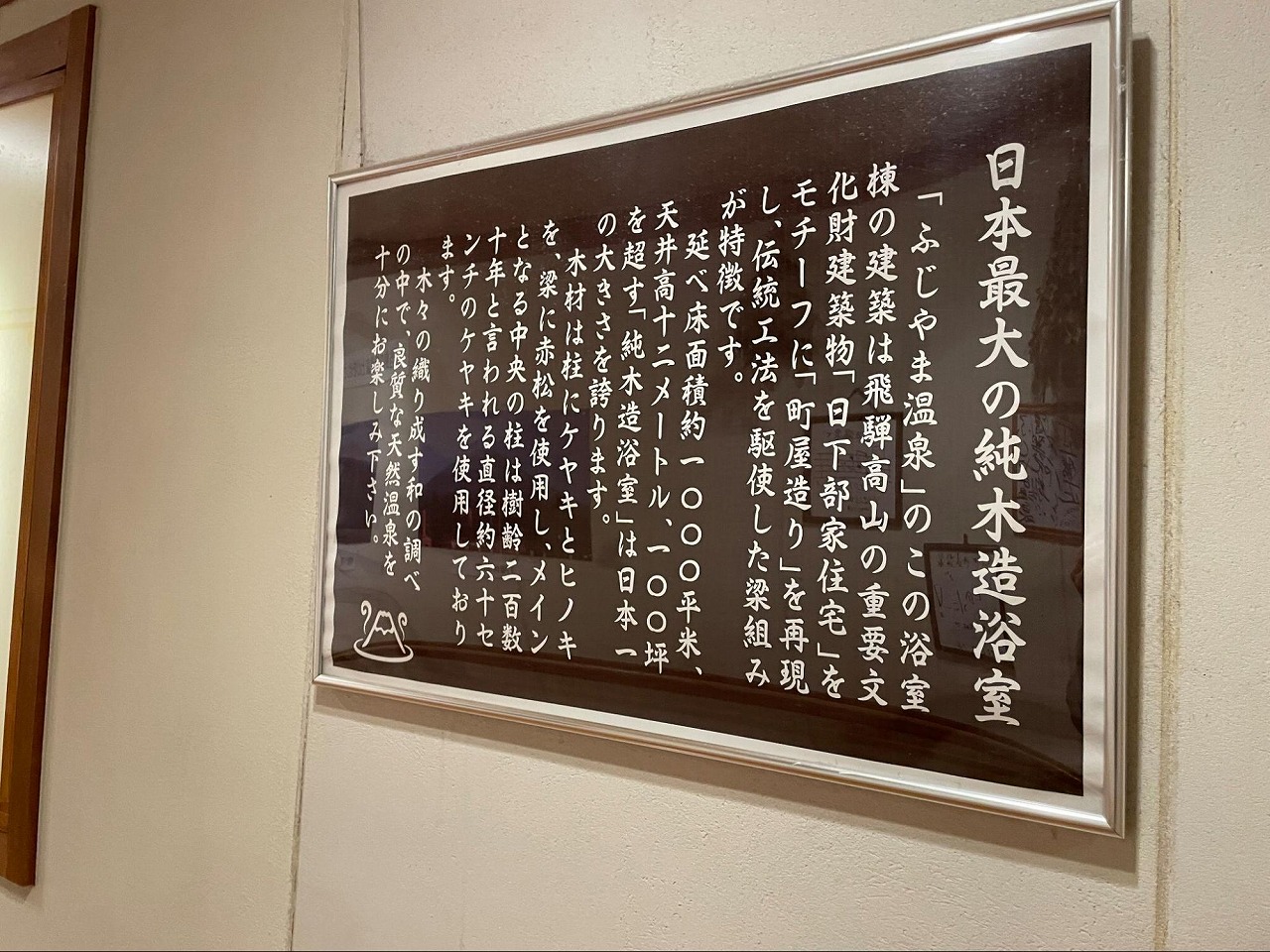
One of its most remarkable features is the grand large bathhouse, constructed entirely of wood and reminiscent of a historic Japanese building. The ceiling soars to approximately 12 meters high, and the beautifully layered beams create a breathtaking sense of scale—considered among the finest examples in Japan.
The structure is modeled after the traditional machiya-zukuri townhouses that remain in Hida Takayama, Gifu, and was assembled using almost no nails.
Centered around a massive zelkova pillar over 200 years old, the bathhouse incorporates luxurious amounts of hinoki cypress and pine. The gentle fragrance of natural wood fills the space, enhancing the relaxing atmosphere.
How to Use an Onsen and Sauna
For travelers unfamiliar with Japanese hot spring culture, the rules of using an onsen or sauna may feel a bit intimidating.
However, by understanding a few basic points, anyone can enjoy the experience comfortably and with confidence.
Here, we introduce the “proper way to use an onsen” and essential “sauna etiquette” to help you make the most of your visit.
How to Use the Onsen
① Wash your body thoroughly first
Before entering the bath, it is a fundamental rule in Japan to wash your body at the washing area.
Entering the bath clean allows the mineral components of the hot spring to better absorb into your skin, enhancing its beautifying effects.
② Do not put your towel in the bath
In Japanese hot springs, towels should never be placed in the bathwater.
It is common to place the towel on your head or on the edge of the tub.
③ Keep long hair out of the water
If you have long hair, tie it up so it does not touch the bathwater.
This is not only hygienic but also considerate of other guests.
④ Ease yourself in slowly
Rather than immersing yourself fully right away, start with a half-body soak.
This reduces strain on your body and allows you to enjoy the hot spring safely.
⑤ Dry off before returning to the changing room
Entering the changing area while dripping wet can create slippery and unsafe conditions.
It is customary to lightly towel-dry your body at the bath exit before going back.
How to Use the Sauna
① Dry your body before entering
If your body is wet, you may not sweat as easily.
Be sure to wipe off excess moisture with a towel before entering the sauna.
② Keep quiet inside the sauna
In Japan, it is generally customary to keep conversations minimal inside the sauna.
The culture emphasizes enjoying a calm and quiet environment.
③ Wipe away your sweat from where you sit
Place a towel beneath you before sitting, and lightly wipe away sweat when leaving.
This is considered good “sauna etiquette” and leaves a positive impression.
④ Follow the sequence: Sauna → Cold bath → Rest
After the sauna, cool down in a cold bath, then relax on a bench or in the open air.
Taking deep breaths during your rest enhances the effects and helps you experience the deeply refreshed state known as totonou.
⑤ Stay hydrated
You lose more fluids than you might expect in a sauna.
Be sure to hydrate regularly throughout your session.
The Ideal Day at Fujiyama Onsen
10:00 Arrival at Fujiyama Onsen
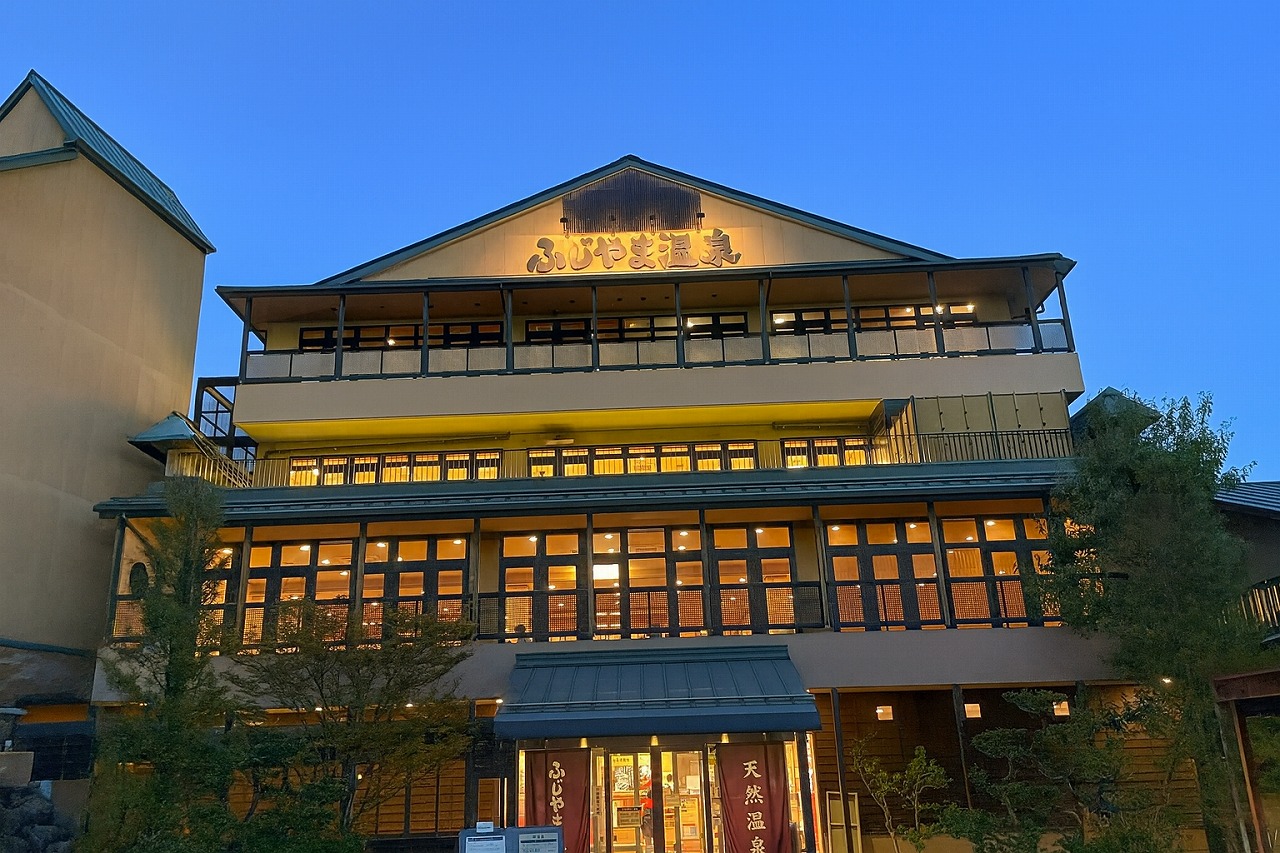
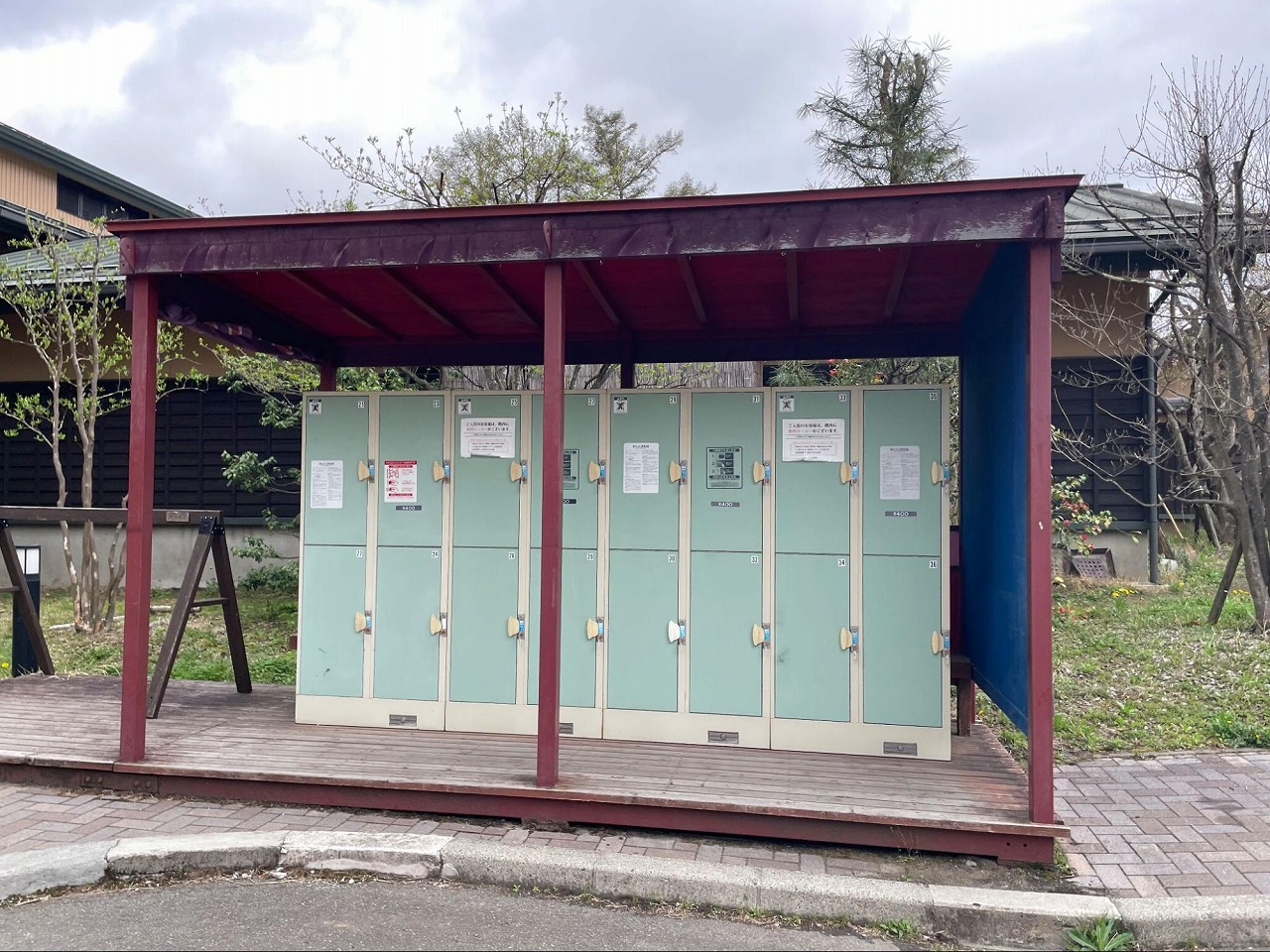
About 20 minutes by free shuttle bus from Kawaguchiko Station on the Fujikyu Railway Line, you’ll soon see the large entrance as you arrive at the facility.
In front of the entrance, convenient coin lockers are available for travelers, making it easy to store suitcases and large bags.
As you step inside, a calm space filled with the gentle scent of wood unfolds before you, instantly lifting your spirits.
The shoe lockers are separated for men and women, and the key also serves as your locker key for the changing room.
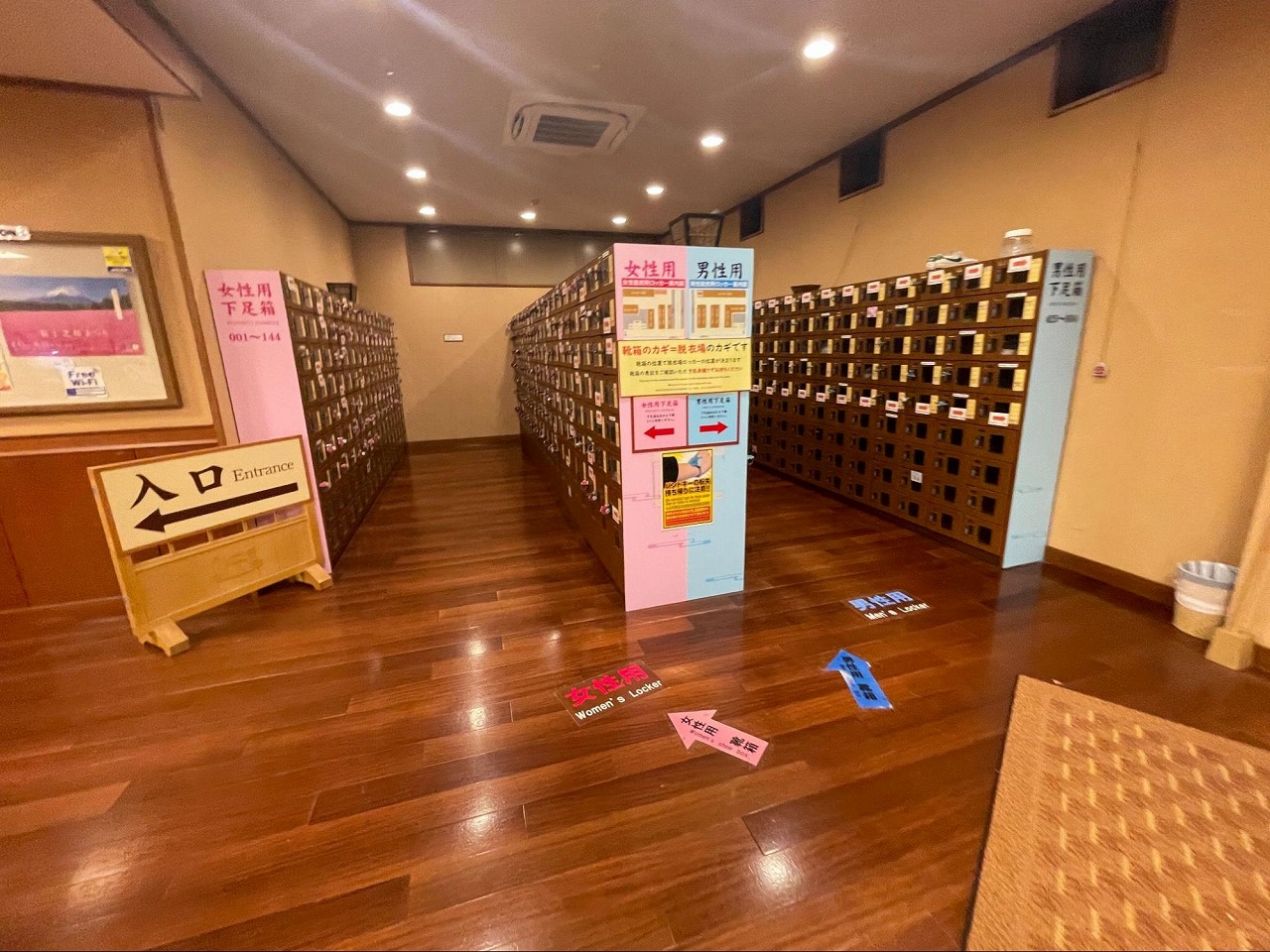
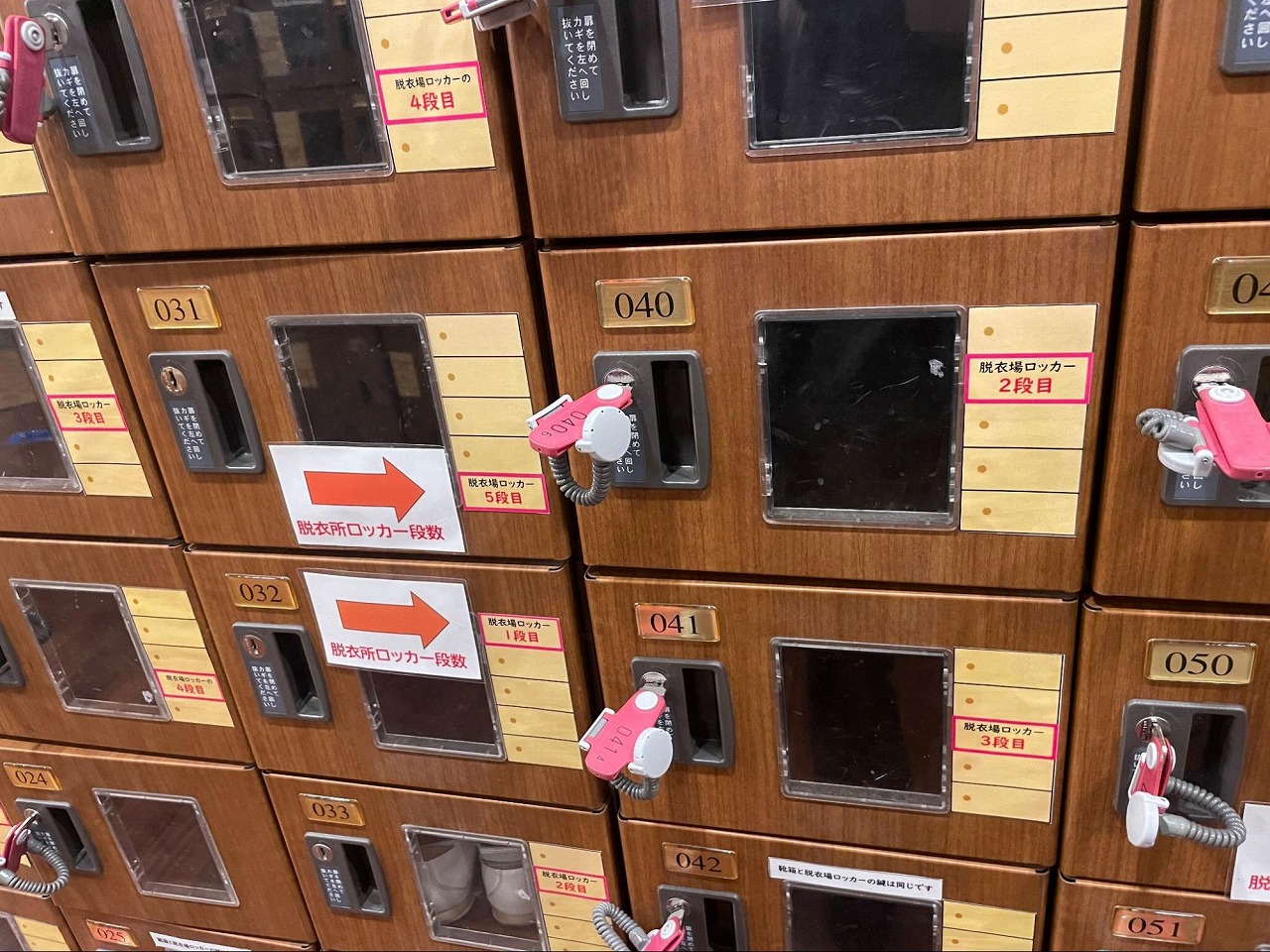
After receiving your key, proceed to the reception desk to collect one face towel and one bath towel.
Having towels included with a day-use onsen is a welcome perk.
If you would like to use the bedrock bath area, inform the staff at this time to receive special loungewear and additional towels.
10:30 Enjoy the “Beauty Bath” in the Indoor and Open-Air Baths (1F)
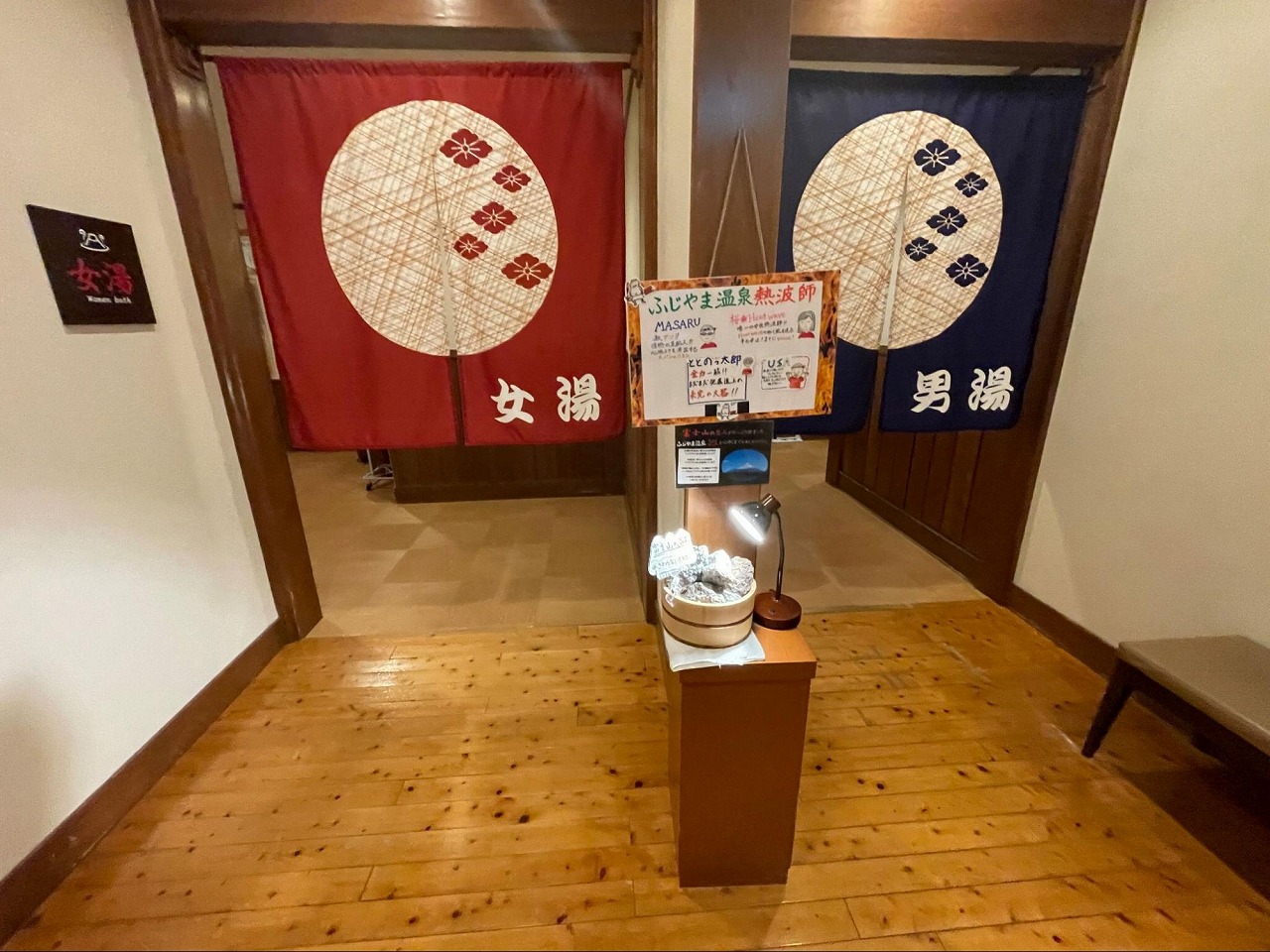
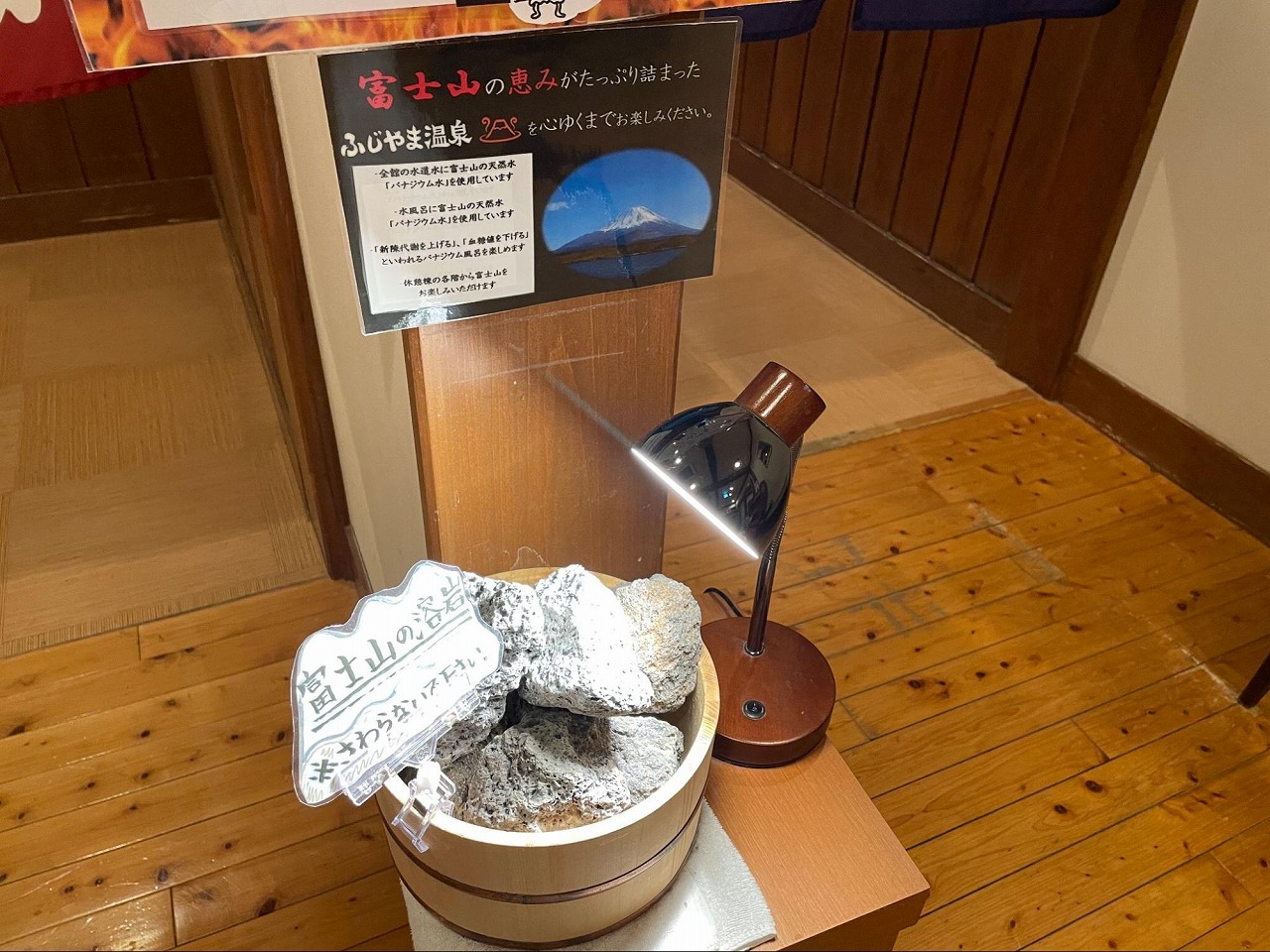
After changing and thoroughly washing your body at the washing area, it’s time to enter the indoor bath. The water gently blends into your skin, and you can immediately feel its silky texture and moisturizing quality—almost like a natural beauty serum.
One of the highlights of Fujiyama Onsen is the wide variety of indoor baths. Simply exploring them feels almost like visiting a theme park.
High-Concentration Carbonated Bath
Fine bubbles cling to your skin, gently stimulating circulation. The longer you soak, the lighter and more refreshed your body feels.
Daily Vanadium Bath
This special bath uses “vanadium water,” a renowned natural water nurtured by the geological layers of Mt. Fuji. The water feels soft on the skin and warms your body from within.
Jet Bath & Reclining Bath
The jet bath provides soothing water pressure to relax your back and lower body, while the reclining bath allows you to lie down and unwind. Both are perfect for relieving travel fatigue and offer excellent relaxation effects.
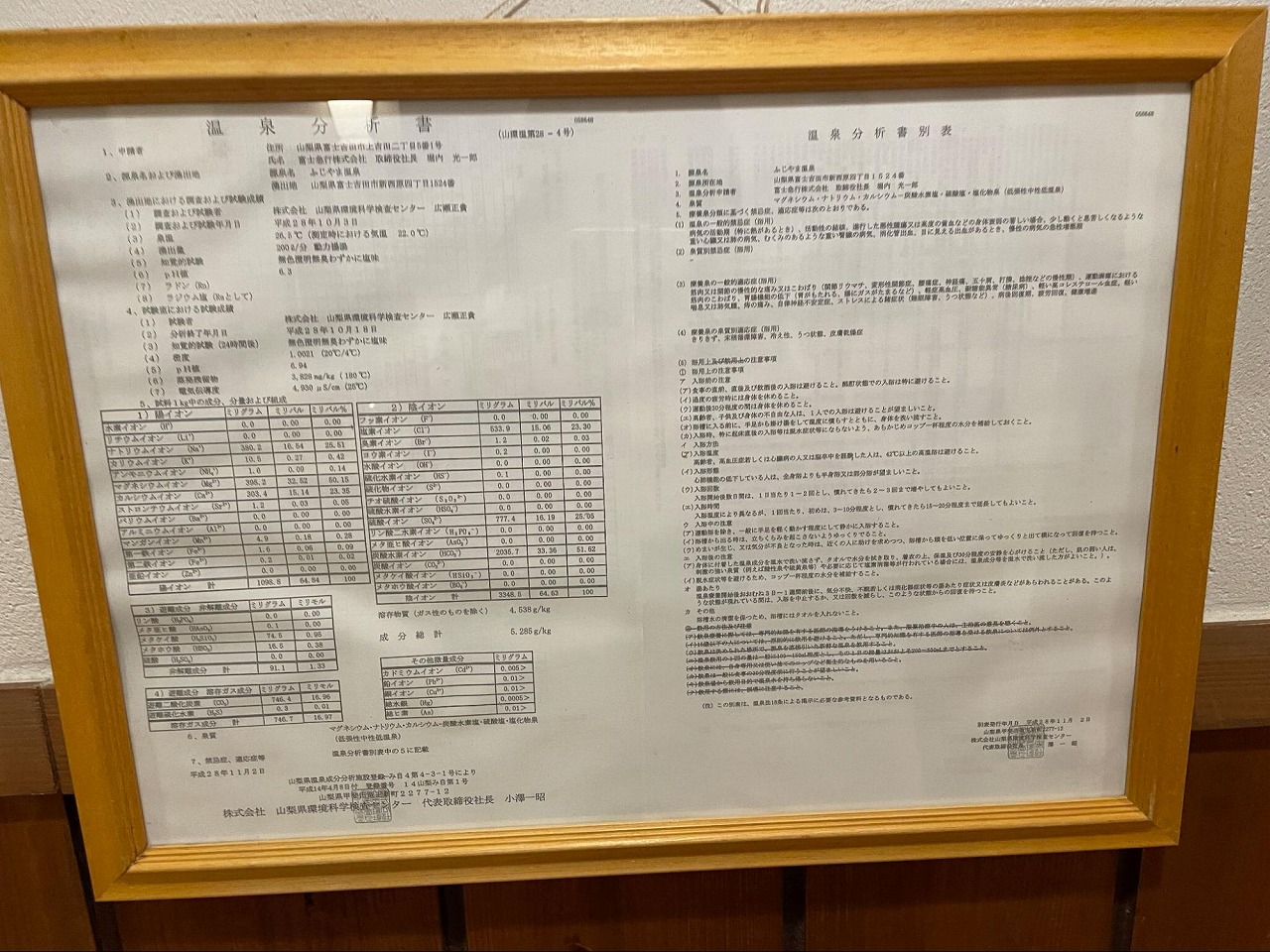
After thoroughly warming up indoors, head to the open-air bath.
The blue sky quietly reflects on the water’s surface, and the crisp air at the foot of Mt. Fuji fills your lungs.
Once your body is fully relaxed in the hot spring, it’s time for the sauna.
The “FUJIYAMA SAUNA” is especially appealing for its automatic löyly system, where gentle steam envelops your entire body.
The pleasant heat slowly seeps in, guiding you into deep relaxation.
Follow the golden route—Sauna → Cold bath → Outdoor rest—and take your time to experience that perfectly refreshed state.
The indoor temperature is set at 86°C for men and 80°C for women, making it comfortable even for beginners to sweat without feeling overwhelmed.

13:00 Savor Yamanashi Cuisine at Fujiyama Dining (2F)
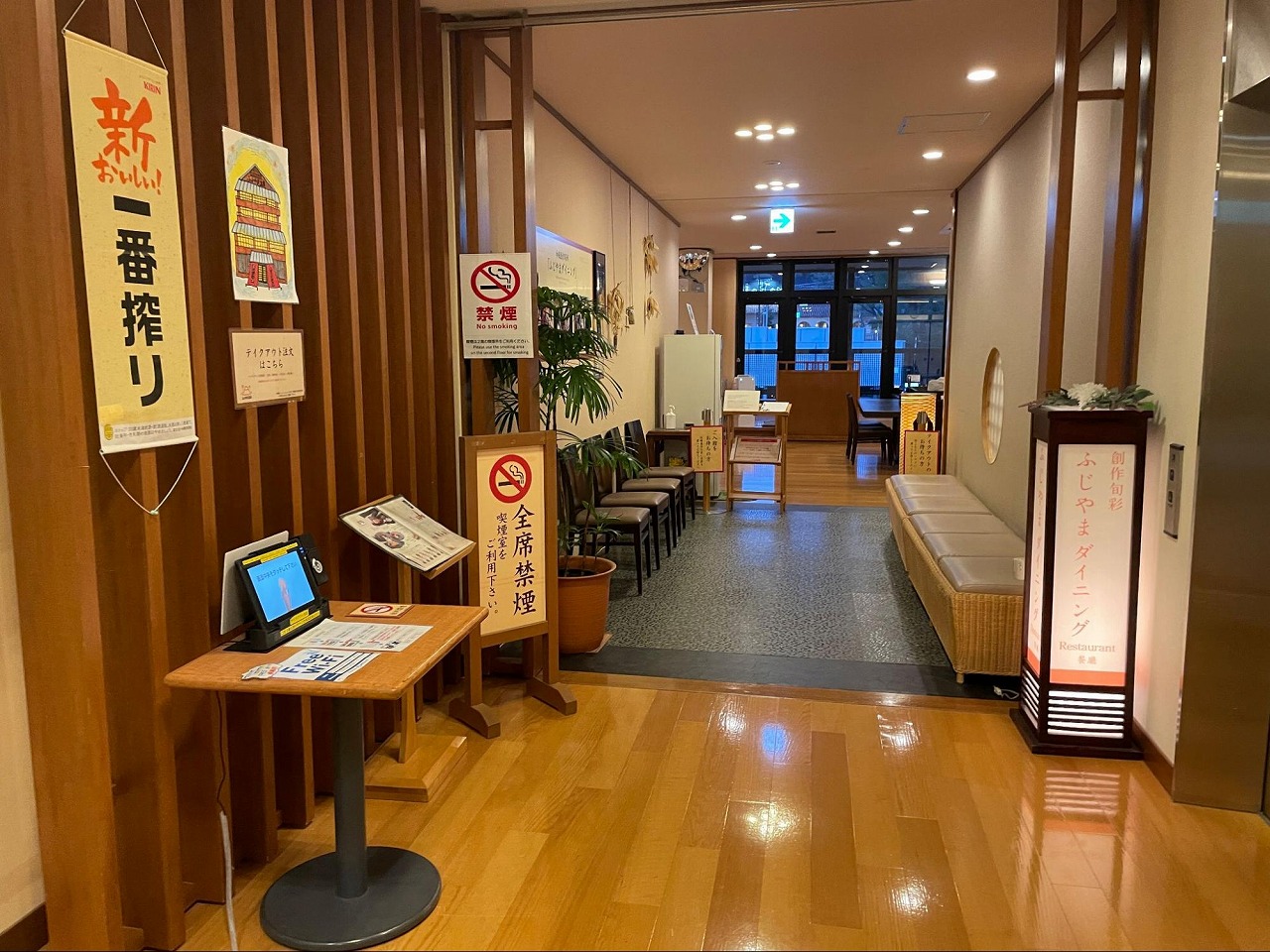
After relaxing your body and mind in the hot spring and sauna, head to “Fujiyama Dining” on the second floor.
Enjoying lunch in this open space with large windows overlooking Mt. Fuji is a true travel luxury.
Be sure to try Yamanashi’s local specialty, houtou.
This hearty hot noodle soup, filled with Shingen chicken and plenty of vegetables, gently comforts your warmed body. Each bite delivers deep, soothing flavors.
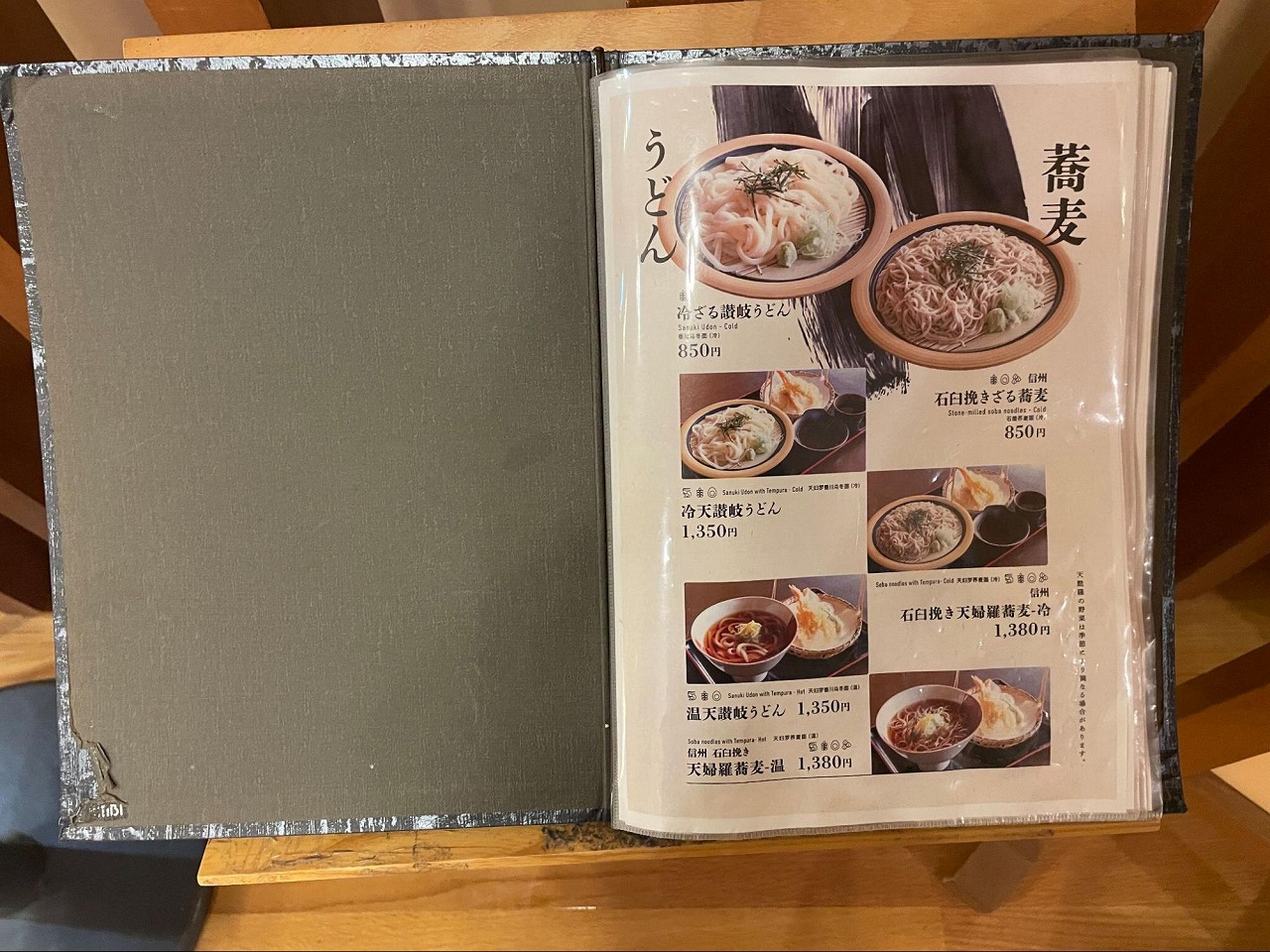
The restaurant also offers a wide selection of Japanese dishes, including set meals, soba noodles, and traditional sweets.
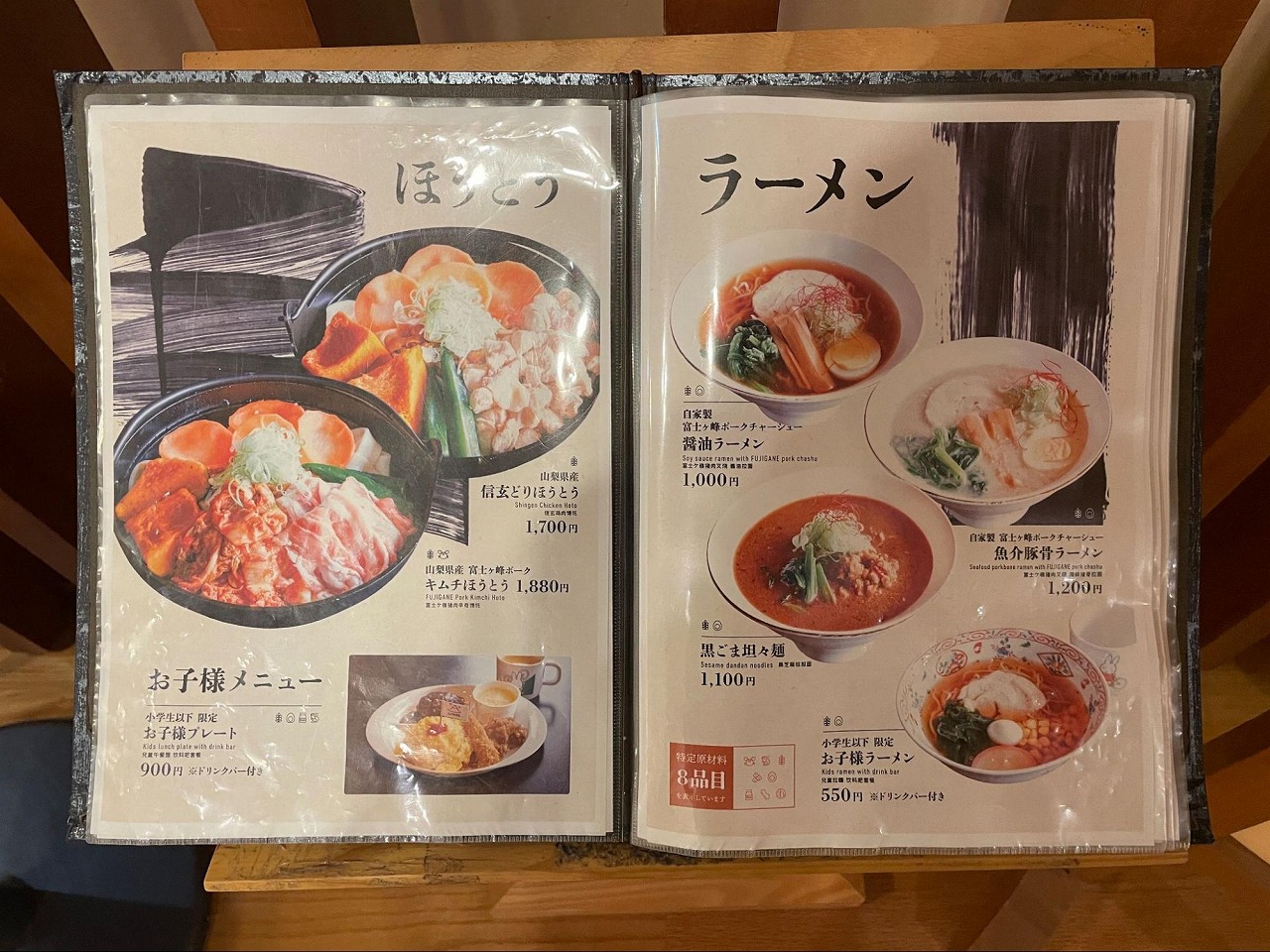
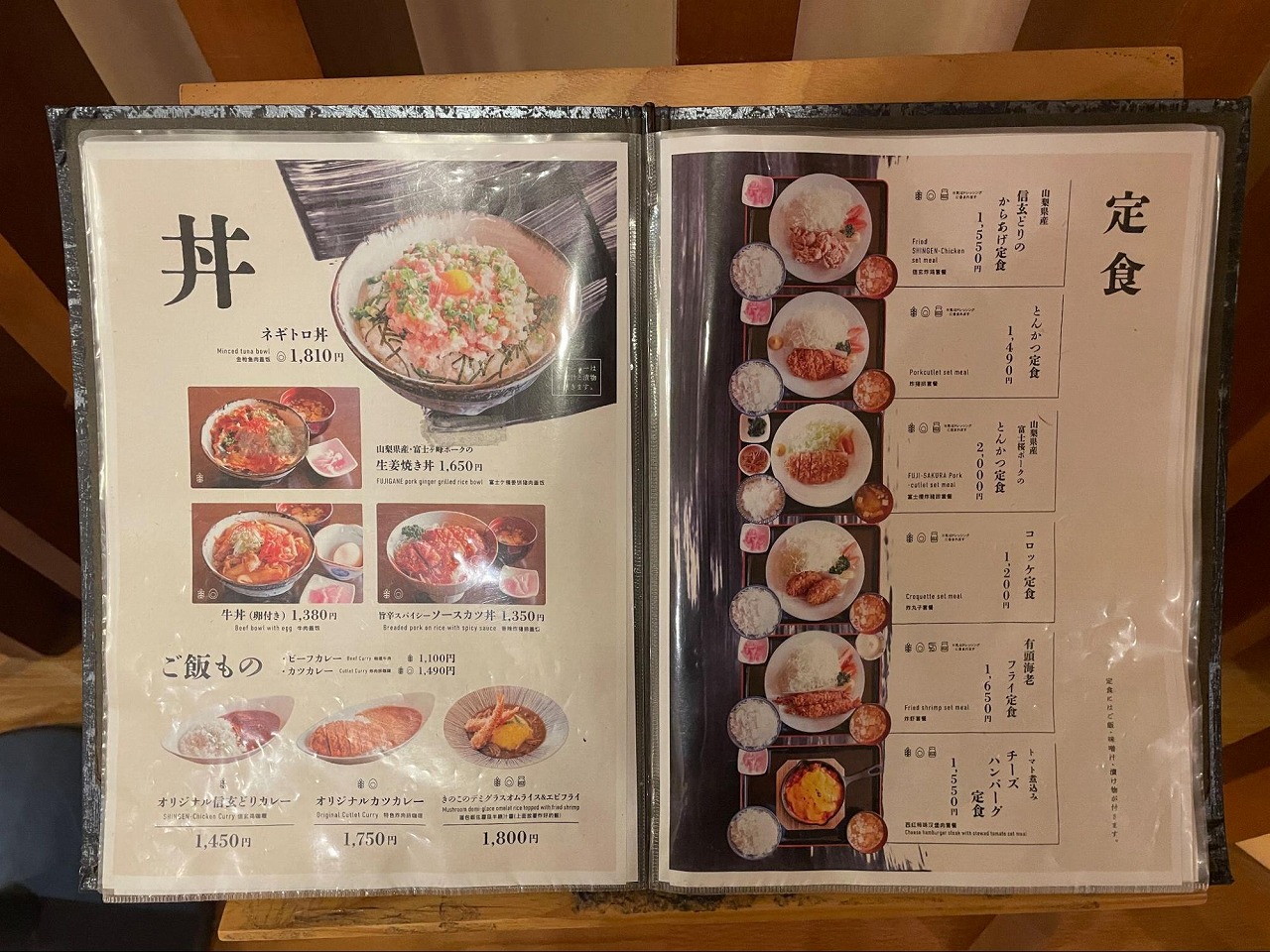
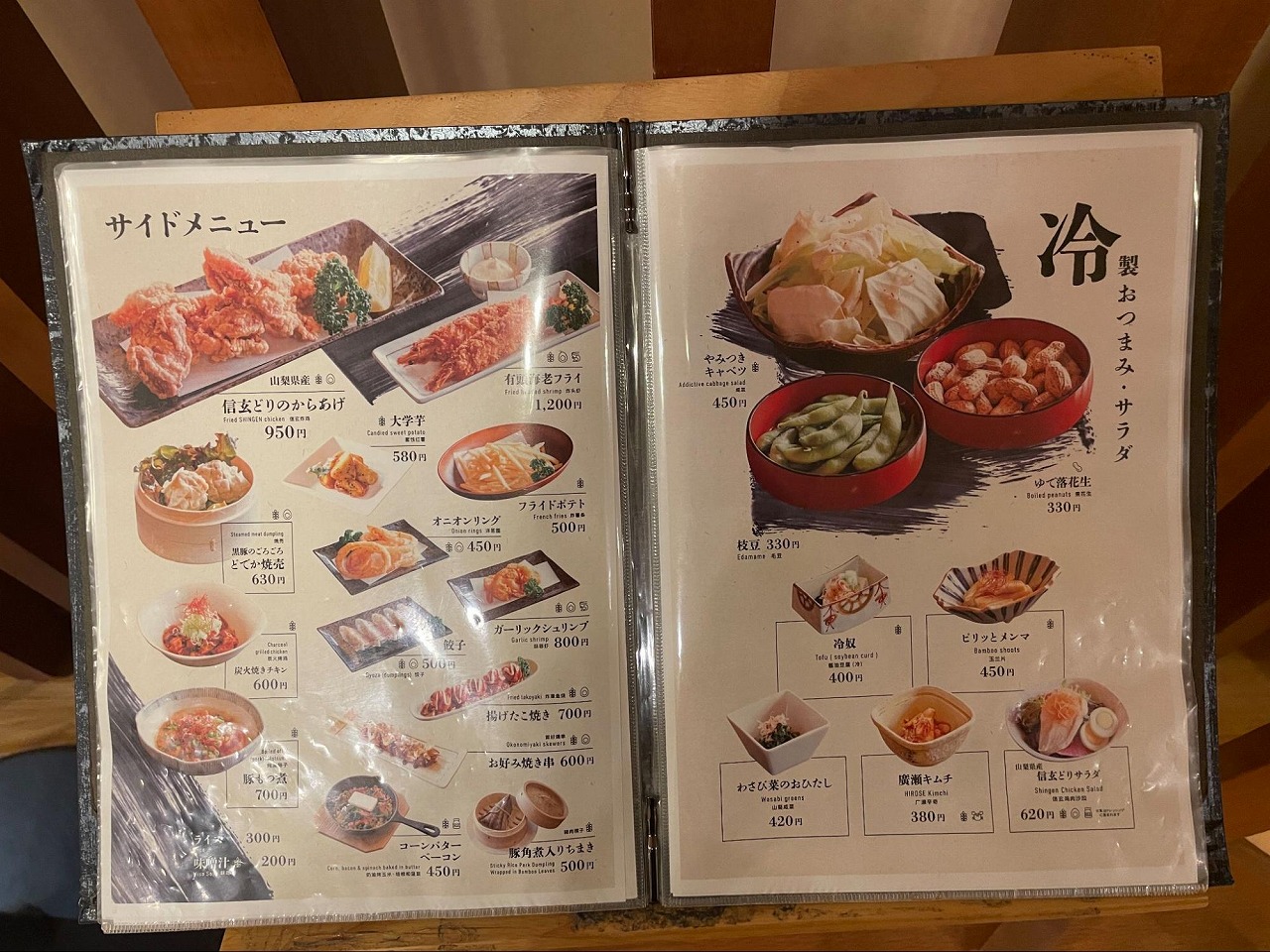
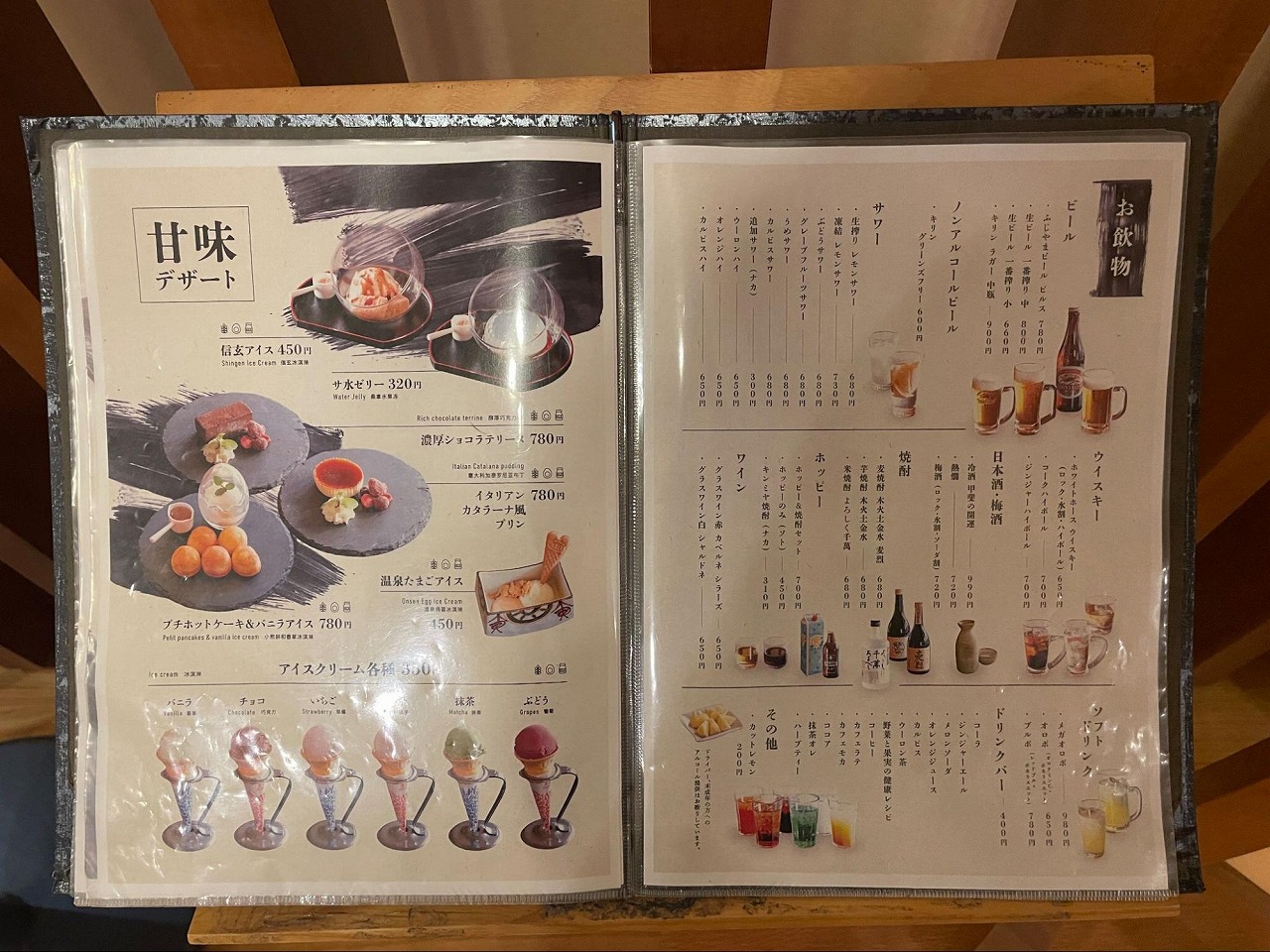
14:00 Relax and Sweat in the Bedrock Bath Area (4F)
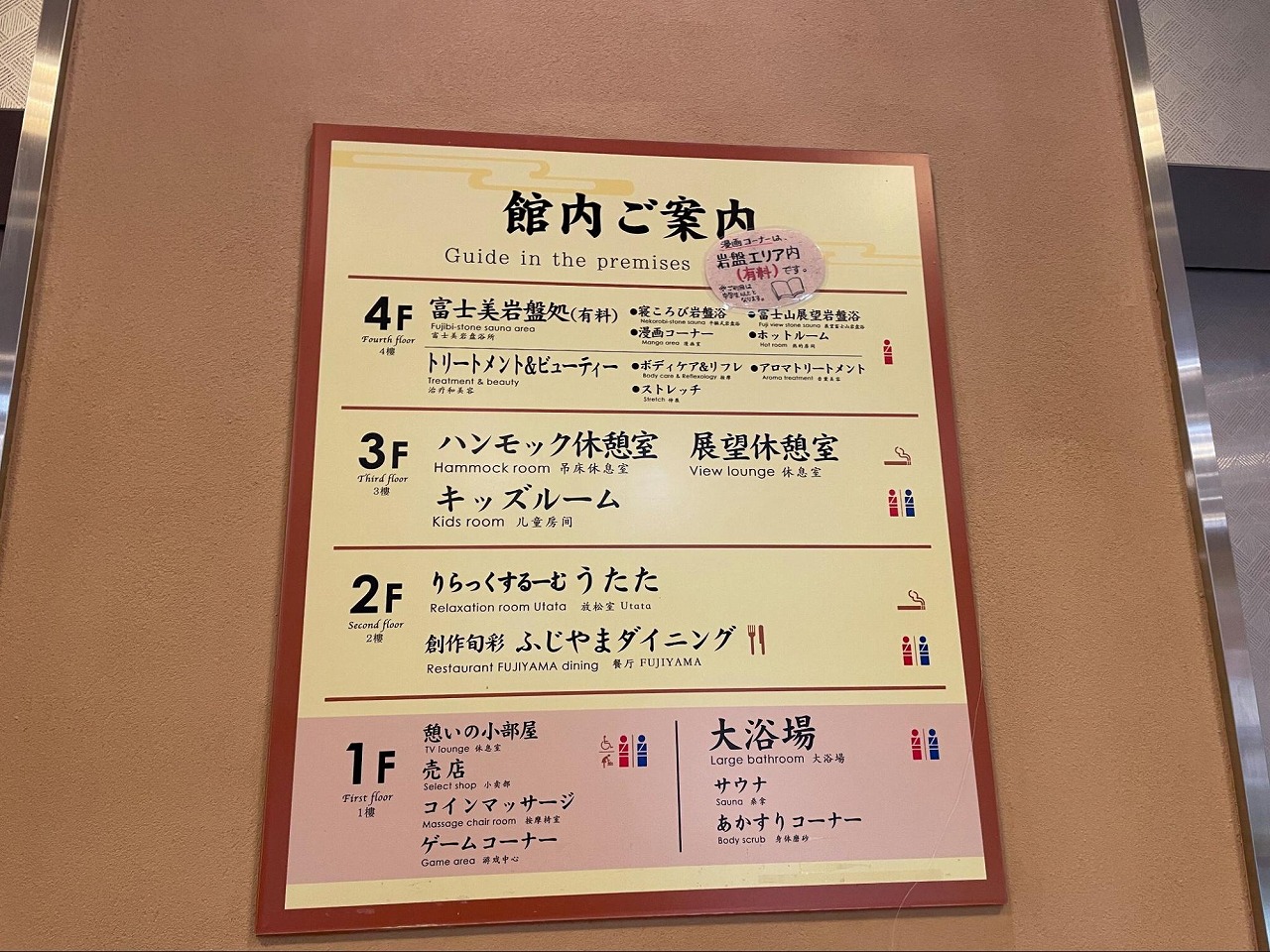
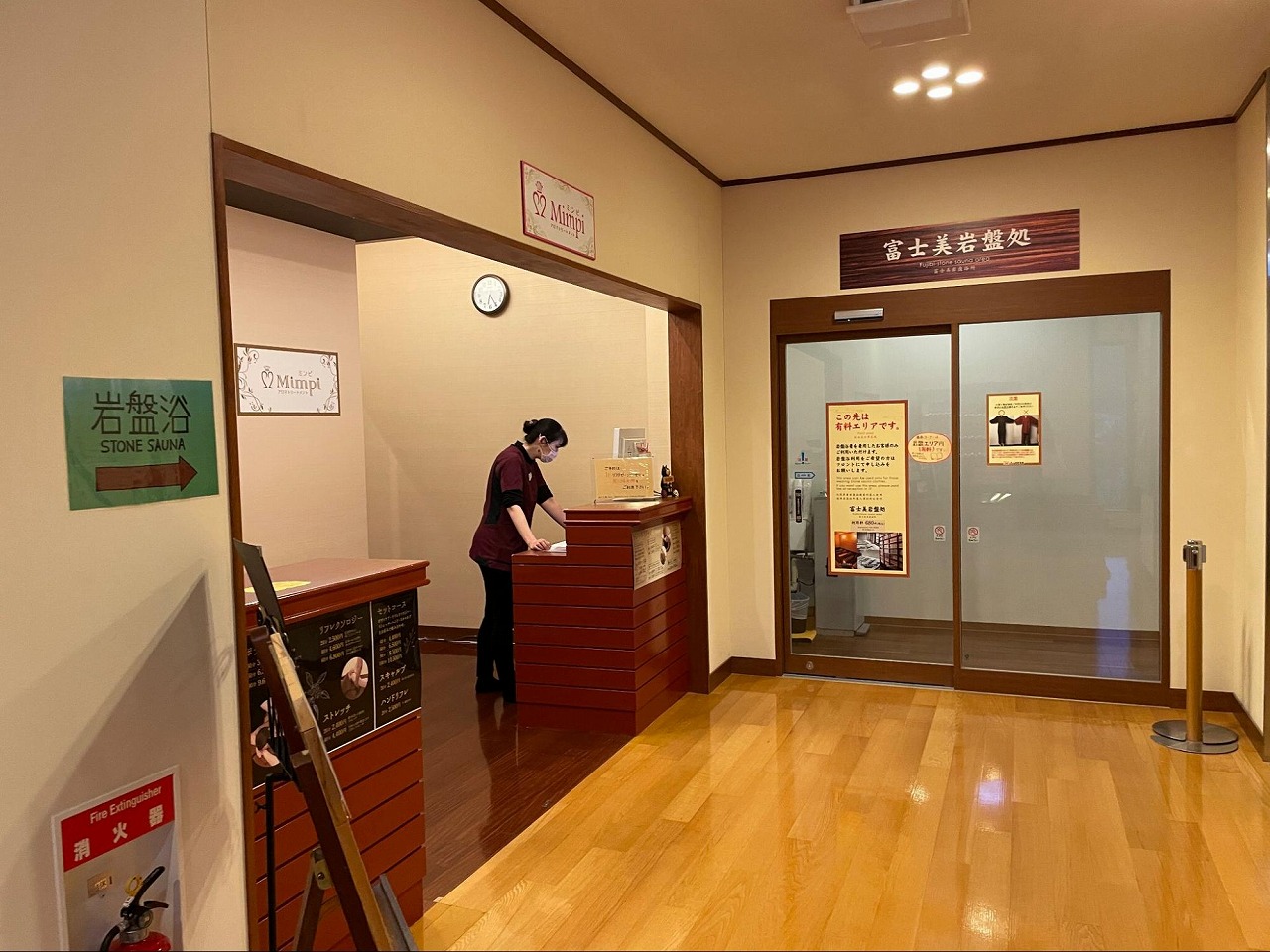
After your meal, make your way to the fourth-floor bedrock bath area, available for an additional fee.
This area can truly be called the highlight of Fujiyama Onsen—a place where you can comfortably spend hours.
Facilities include:
- Lying-down bedrock baths
- Manga corner
- Floor-heated hot room
Some guests spend half a day here alone thanks to its extensive offerings.
16:00 Nap in the Scenic Relaxation Lounge (3F)
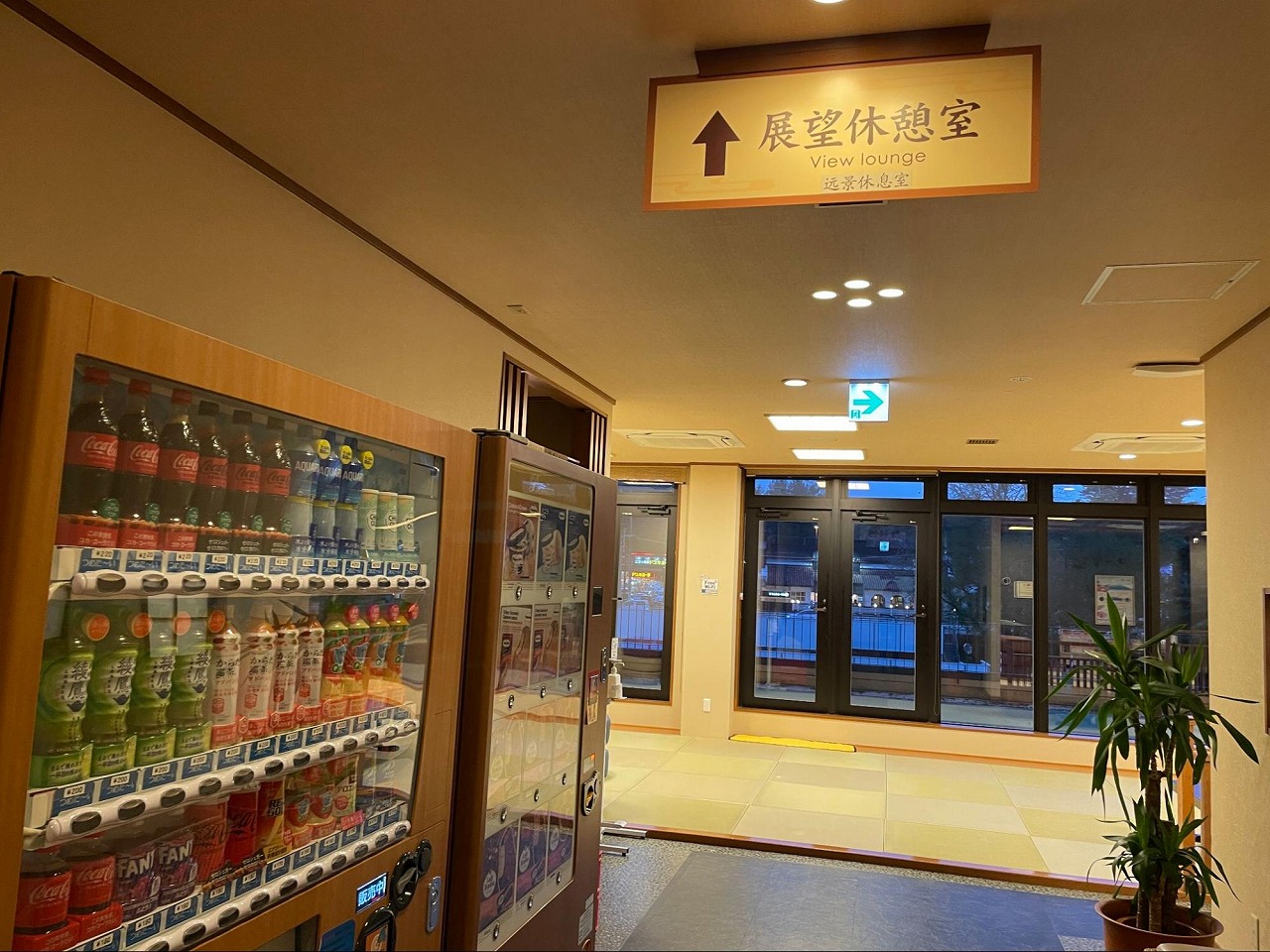
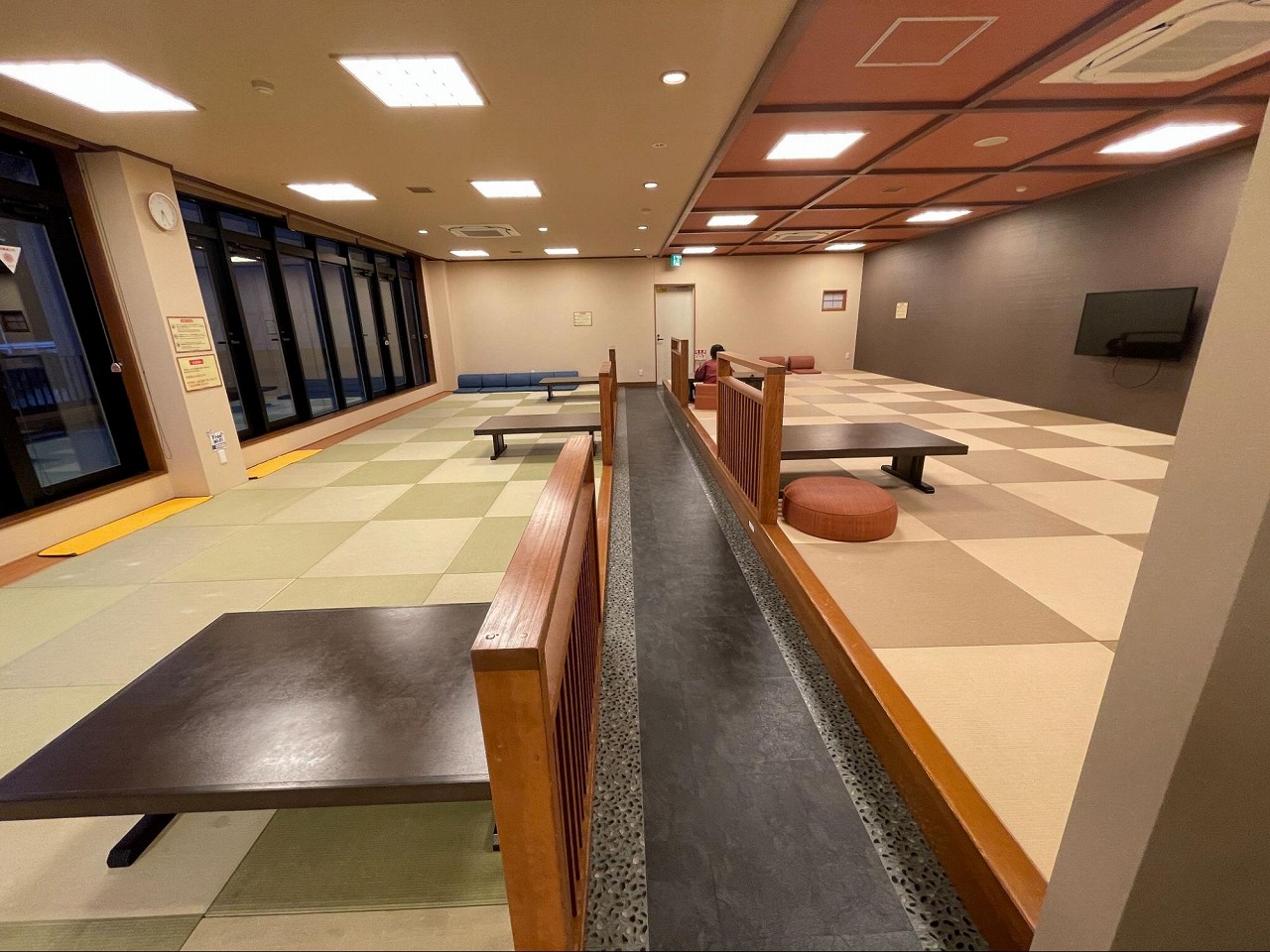
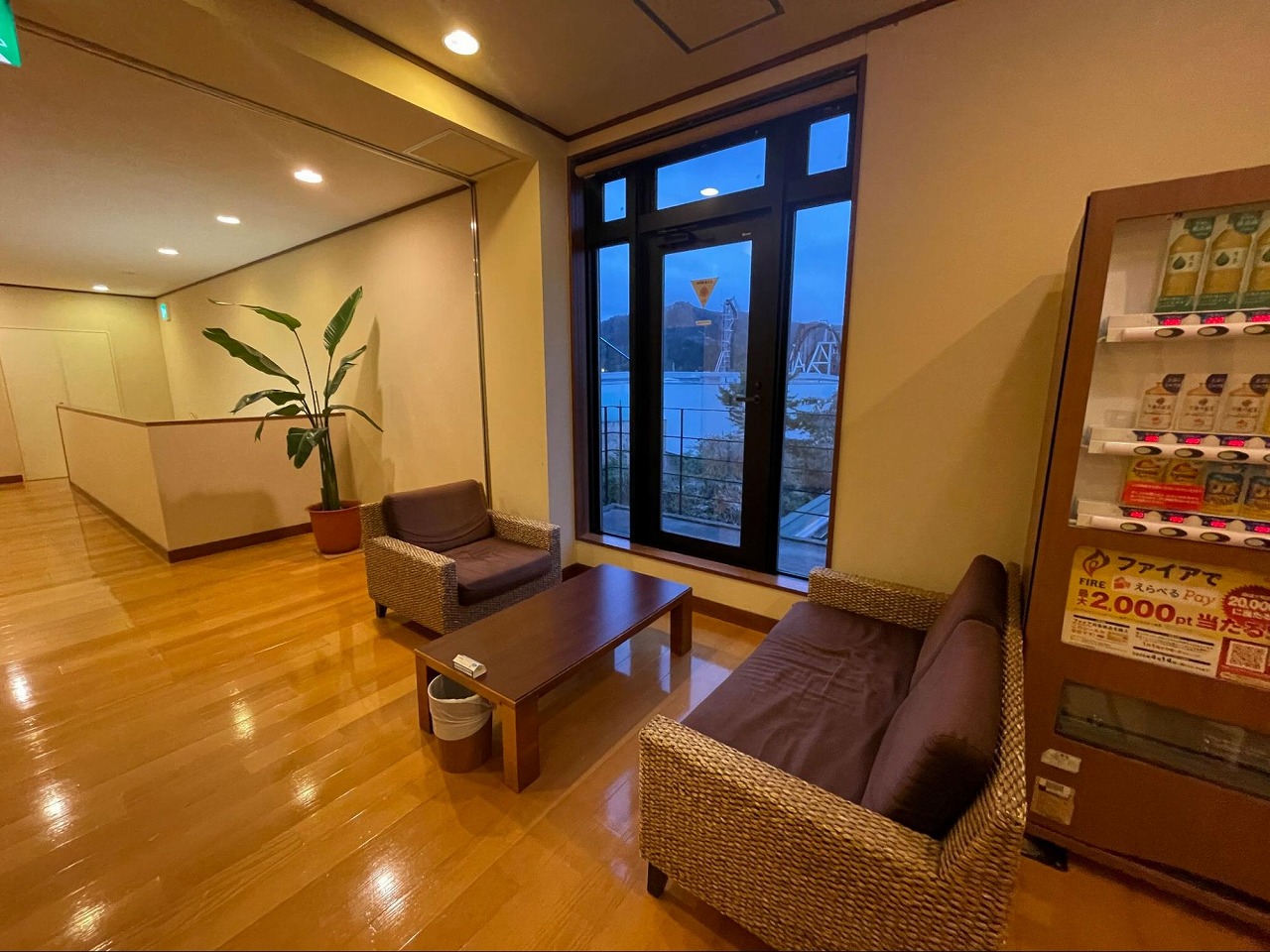
After the bedrock bath, visit the scenic relaxation lounge while your body remains pleasantly warm.
This healing space features large windows with views of Mt. Fuji.
Resting your head on a cushion and gazing at Mt. Fuji while lying down gently melts away travel fatigue.
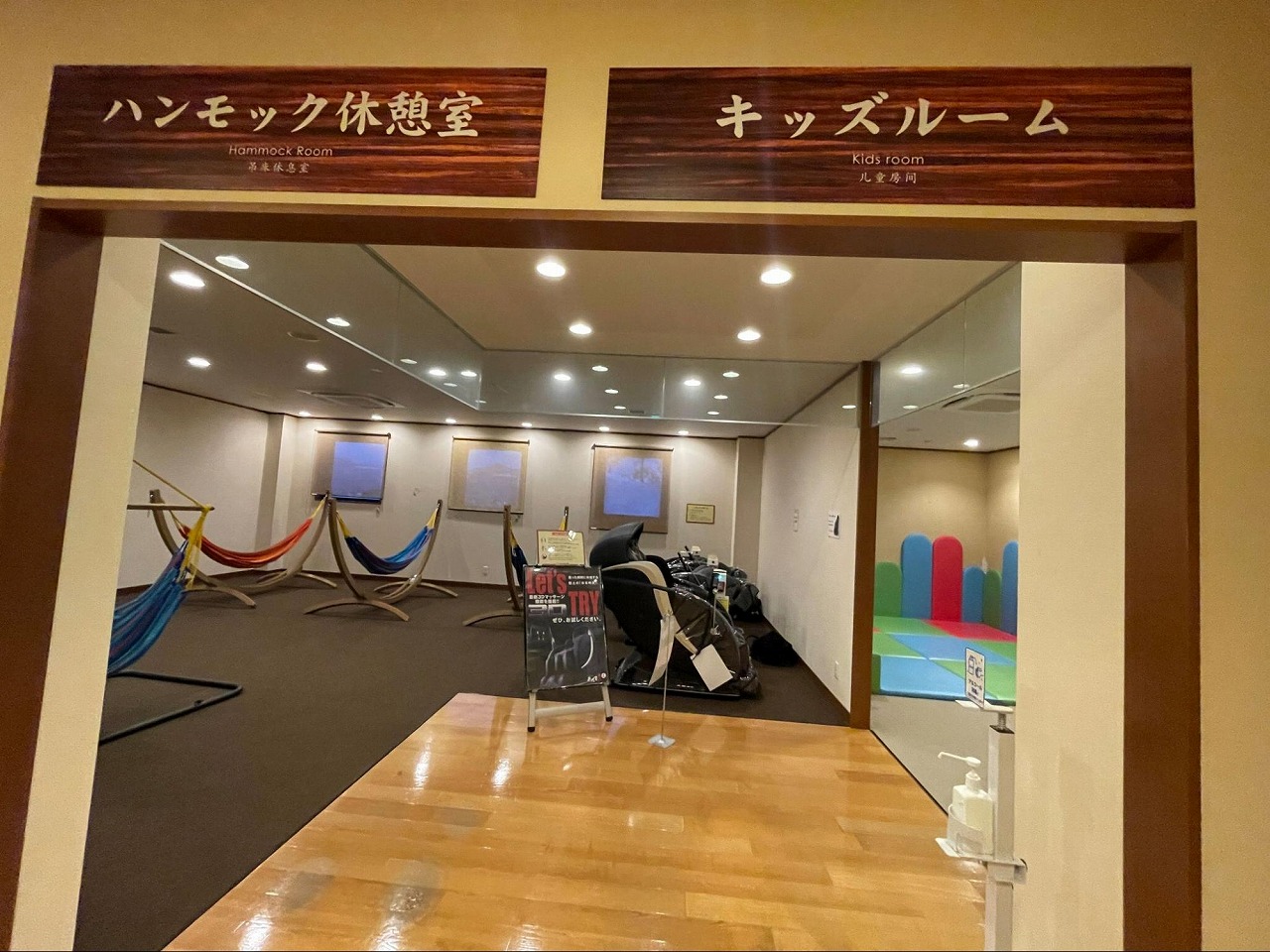
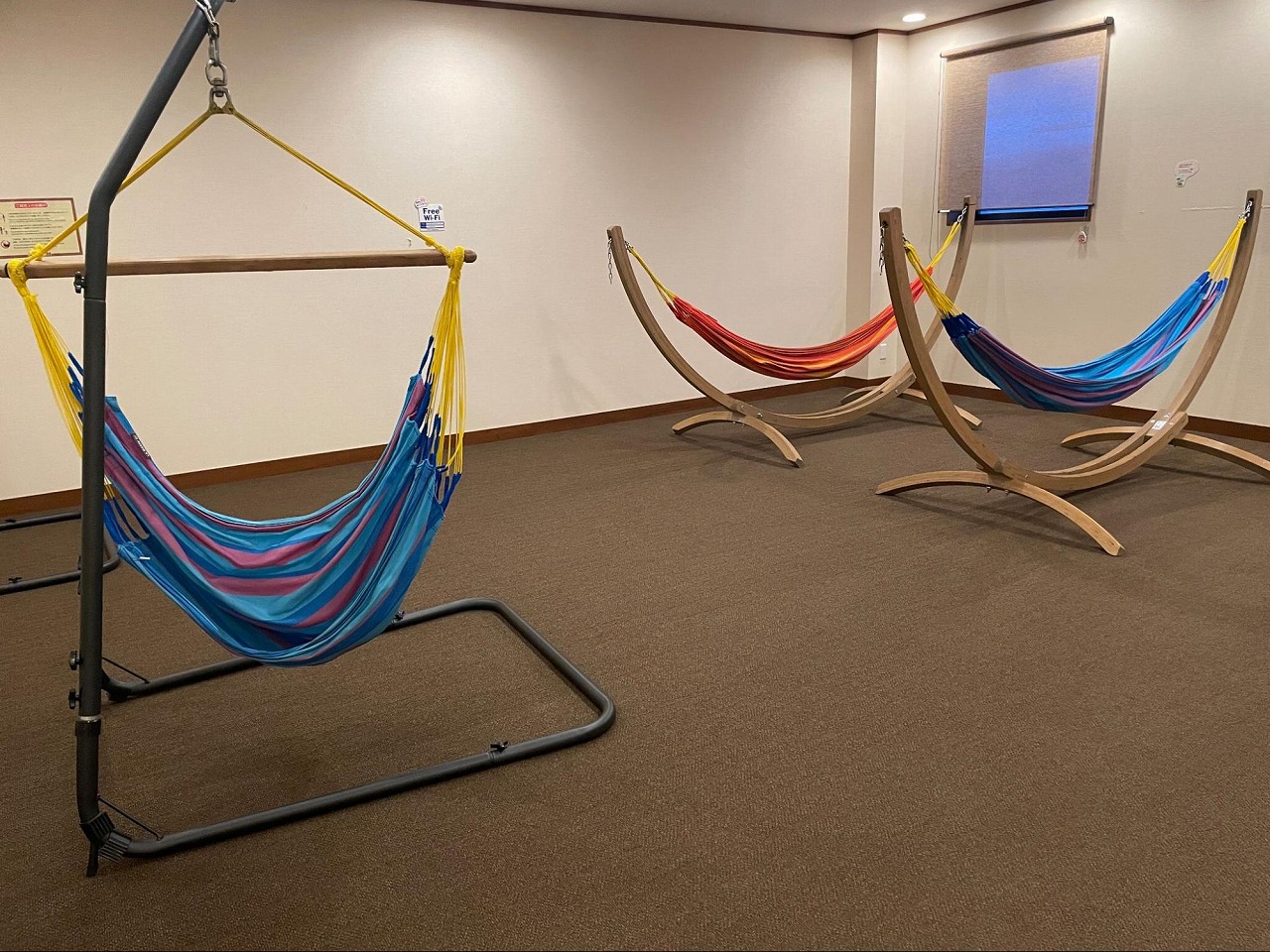
Next door, the hammock room surrounds you with a floating sensation that naturally invites sleep.
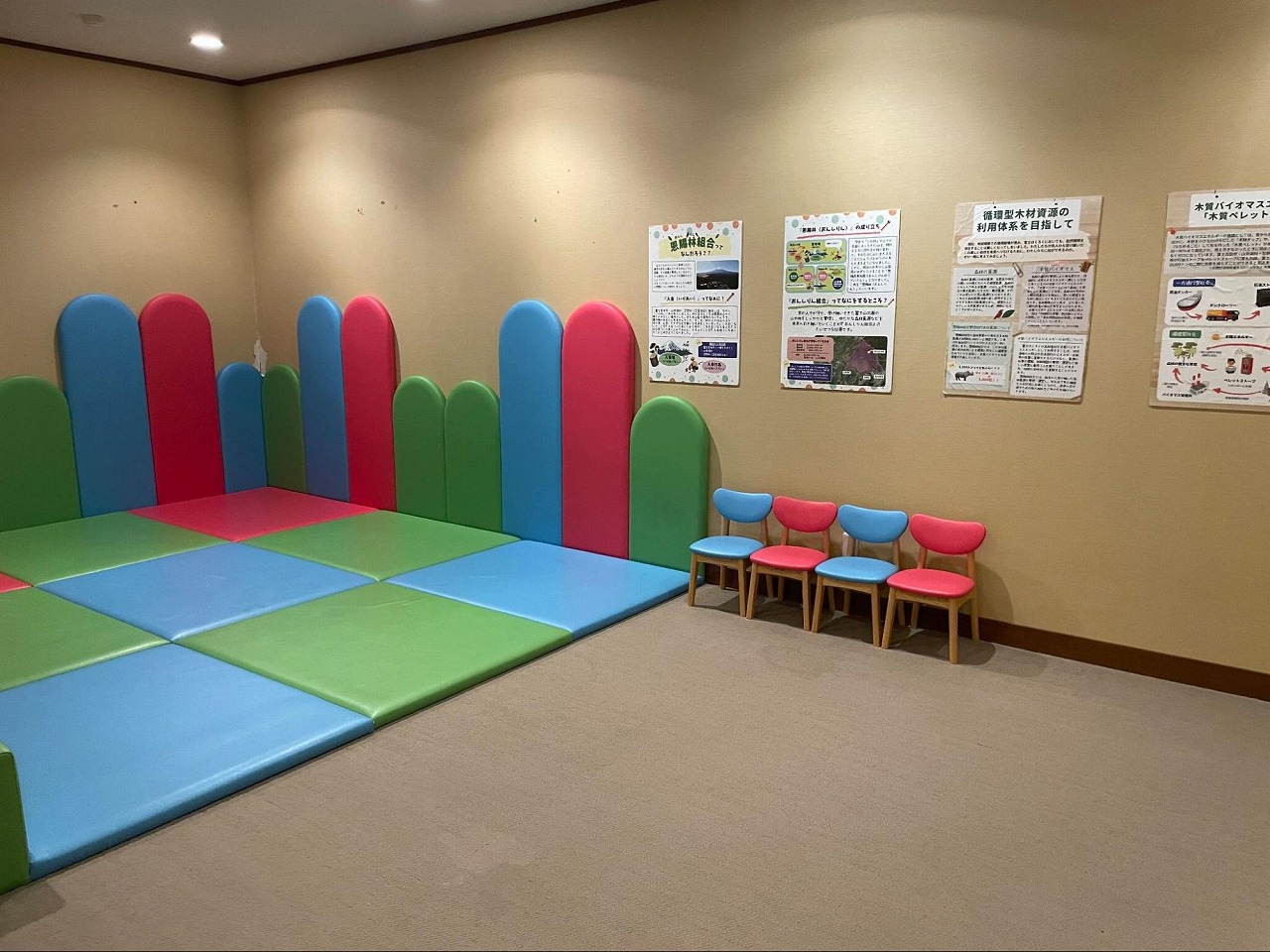
There is also a kids’ room, making it safe and convenient for families with children.
17:00 Finish with a Relaxation Treatment
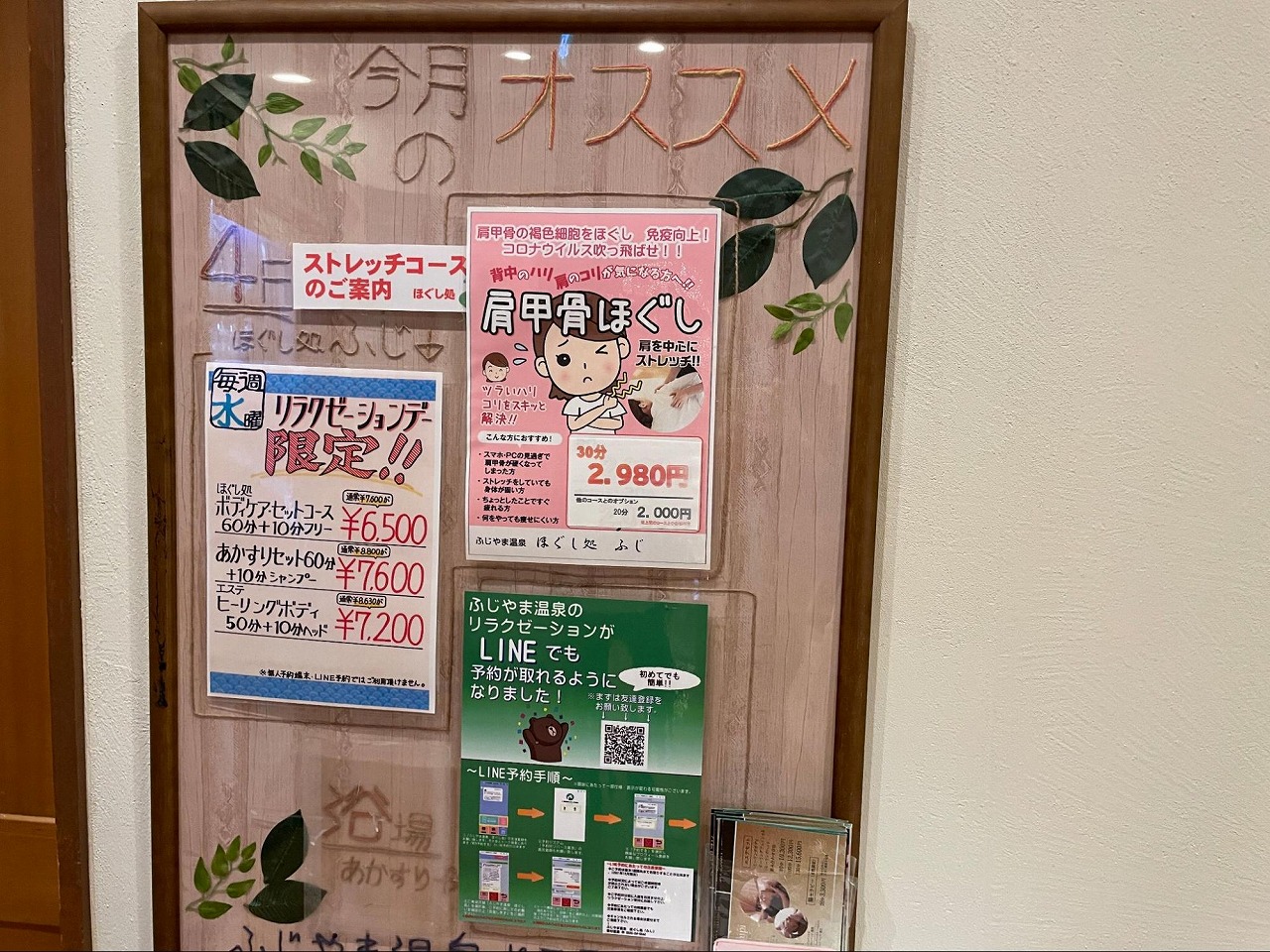
Before heading home, consider enjoying an aroma treatment or body care session.
It’s the perfect way to fully relieve the fatigue from exploring Mt. Fuji or walking around Fuji-Q Highland.
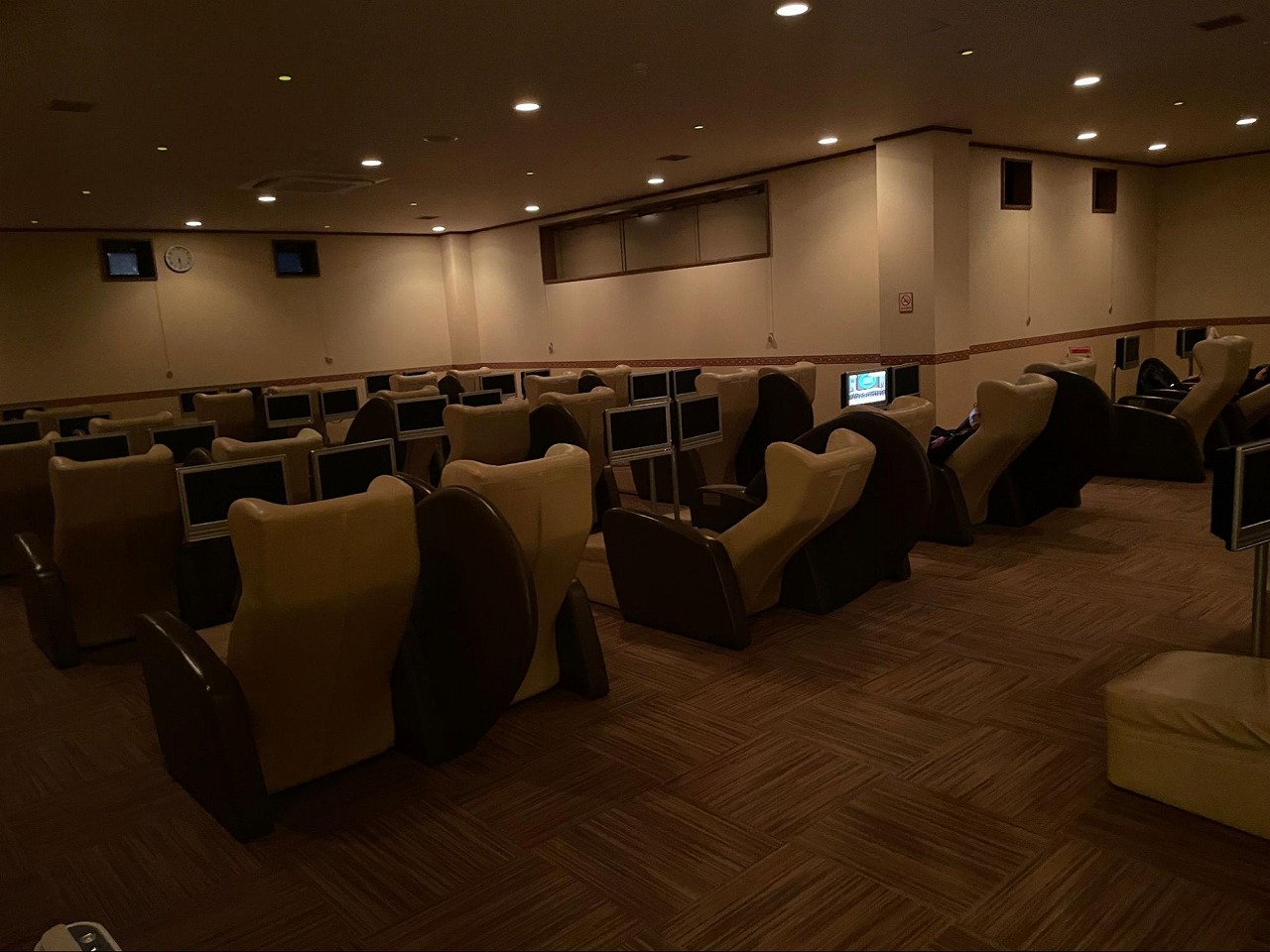
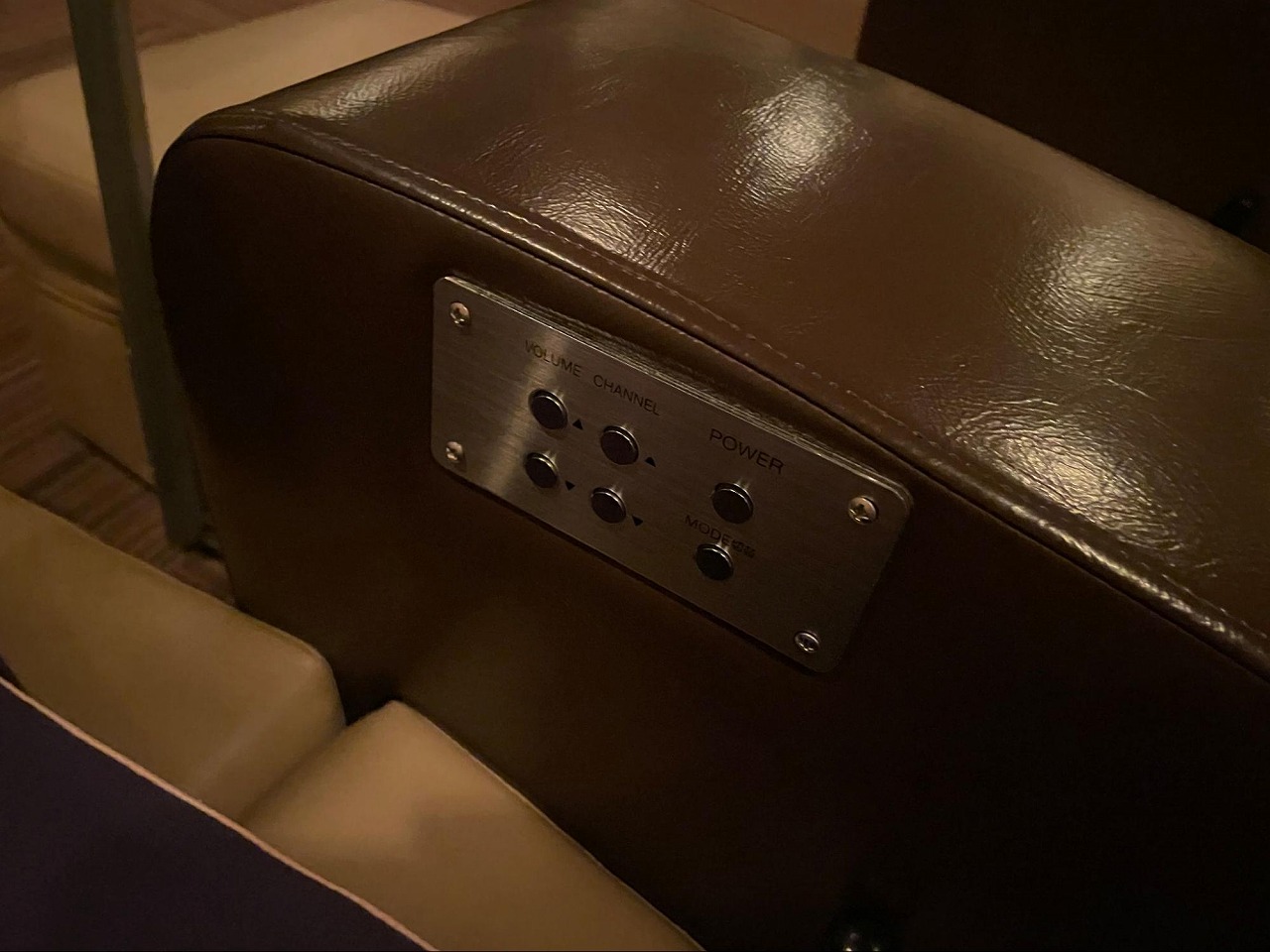
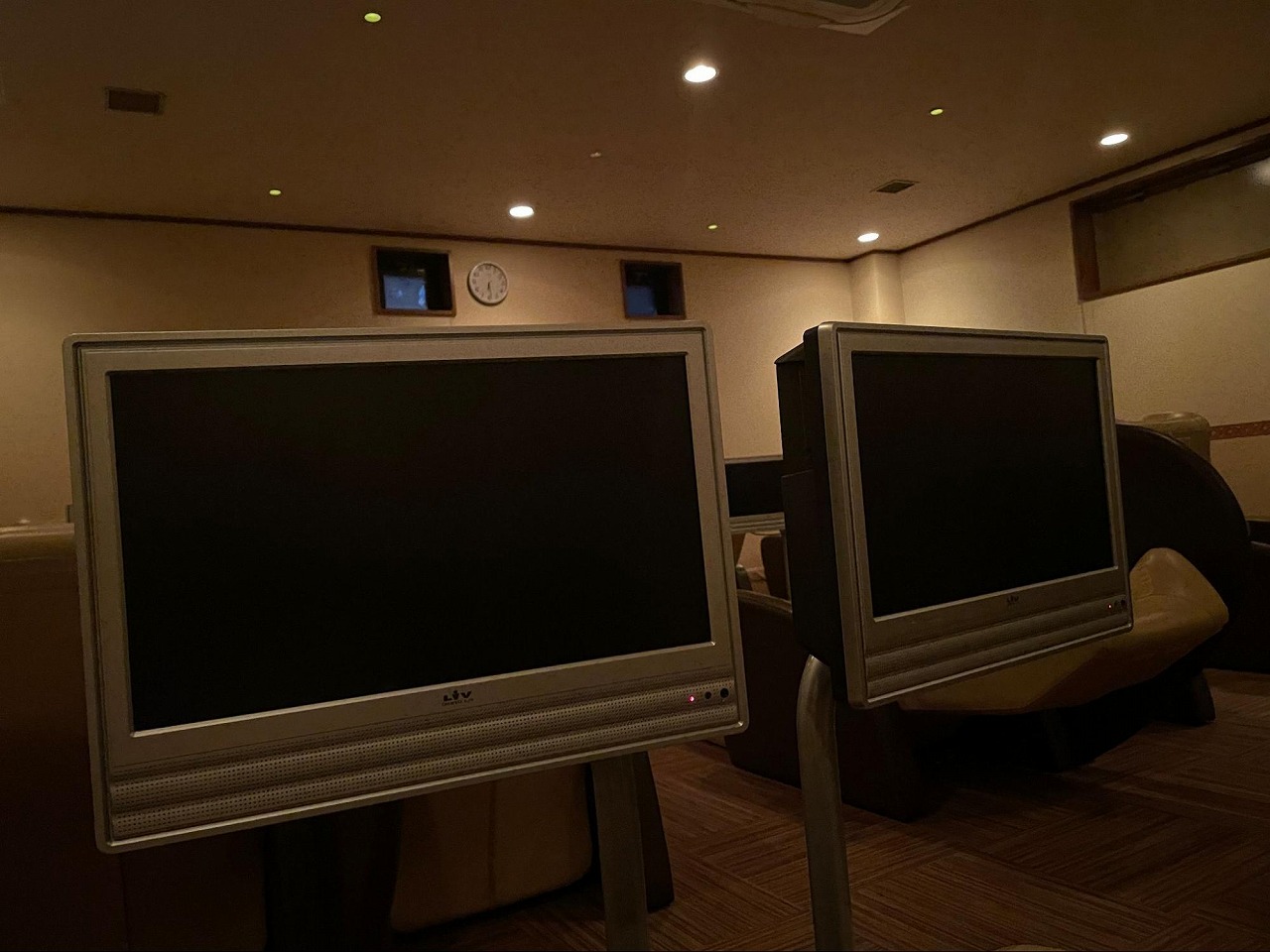
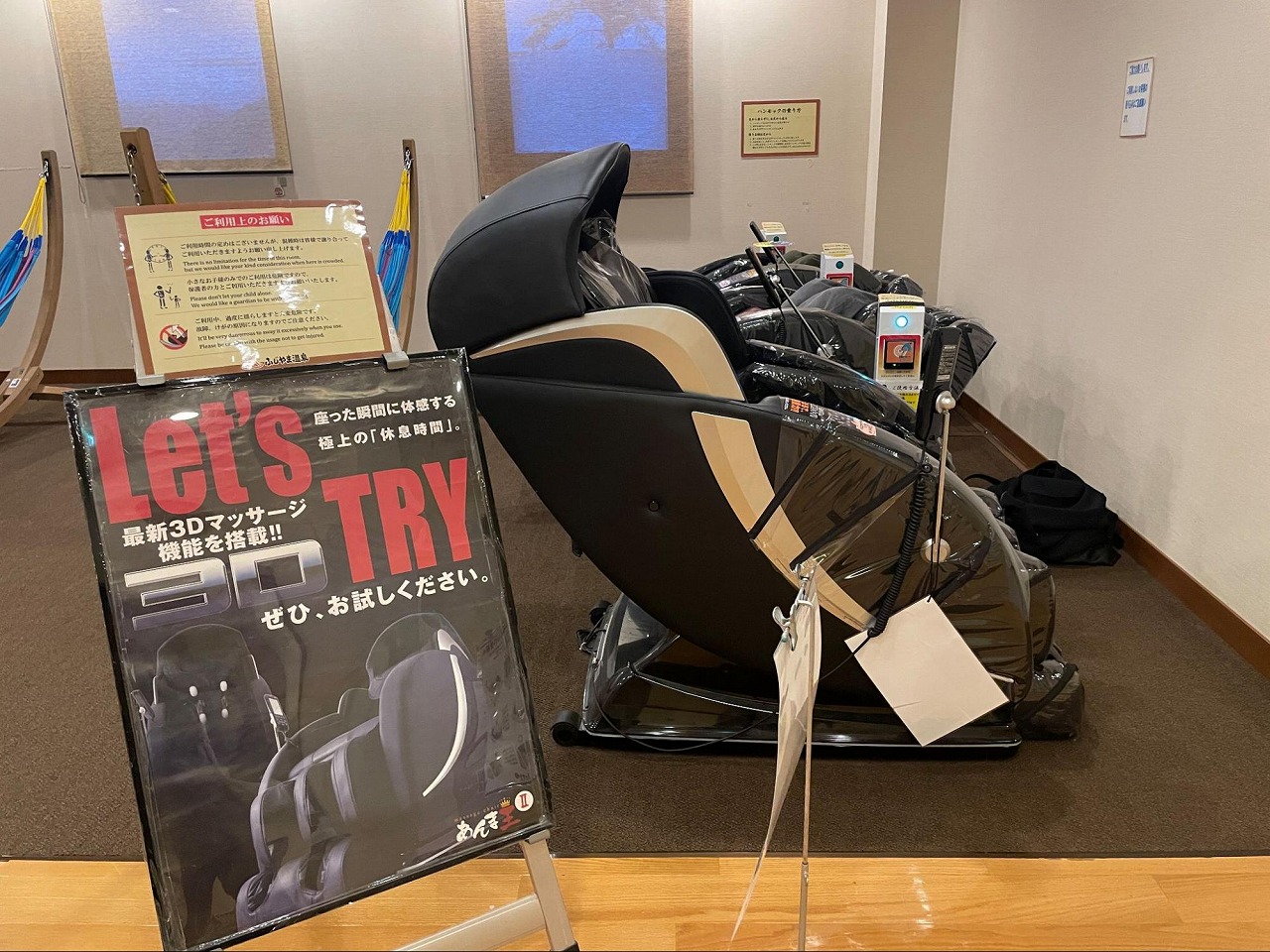
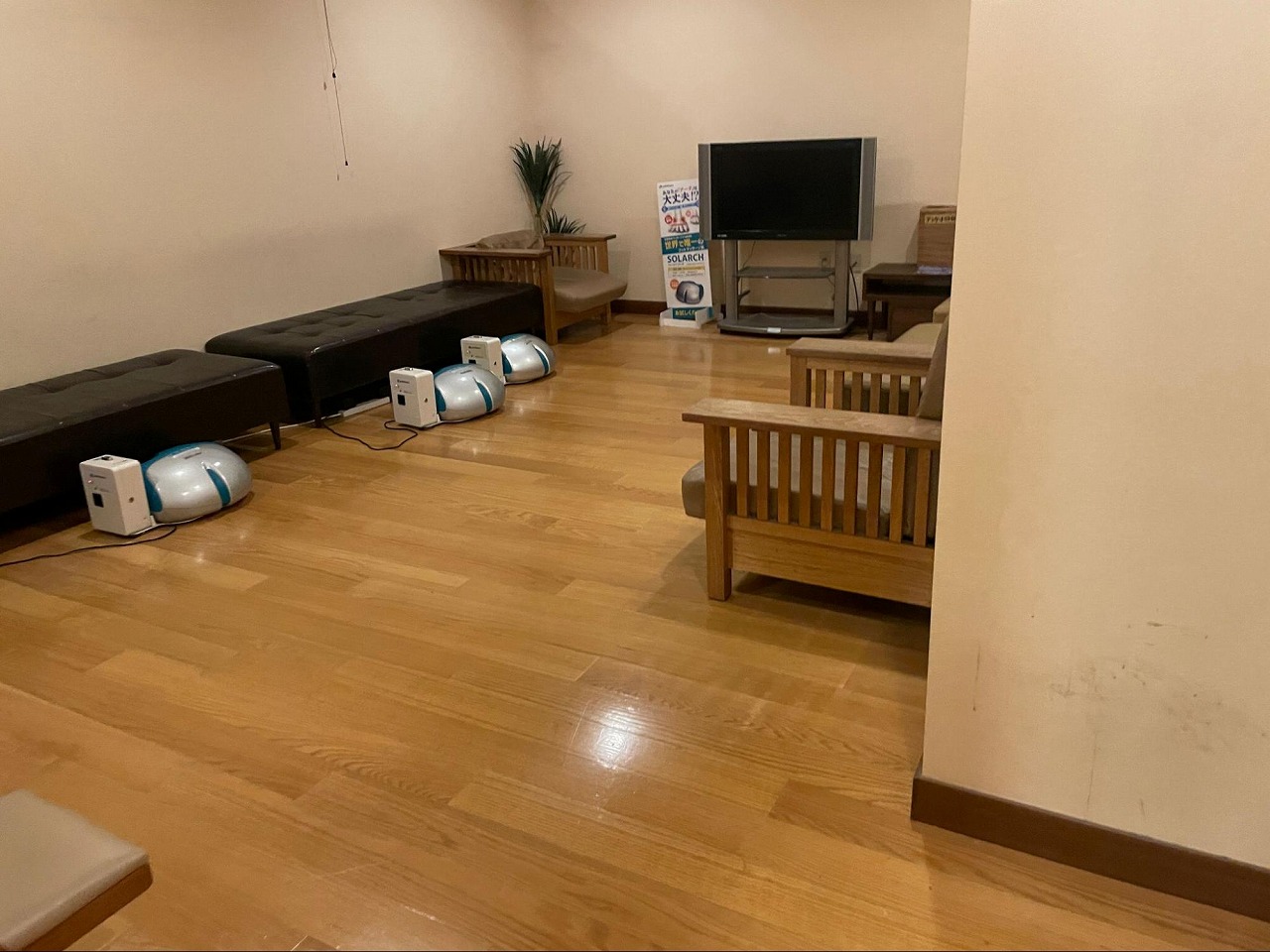
The facility also offers easy-to-use massage chairs and reclining chairs with TVs, ensuring that every type of visitor can refresh in their own way.
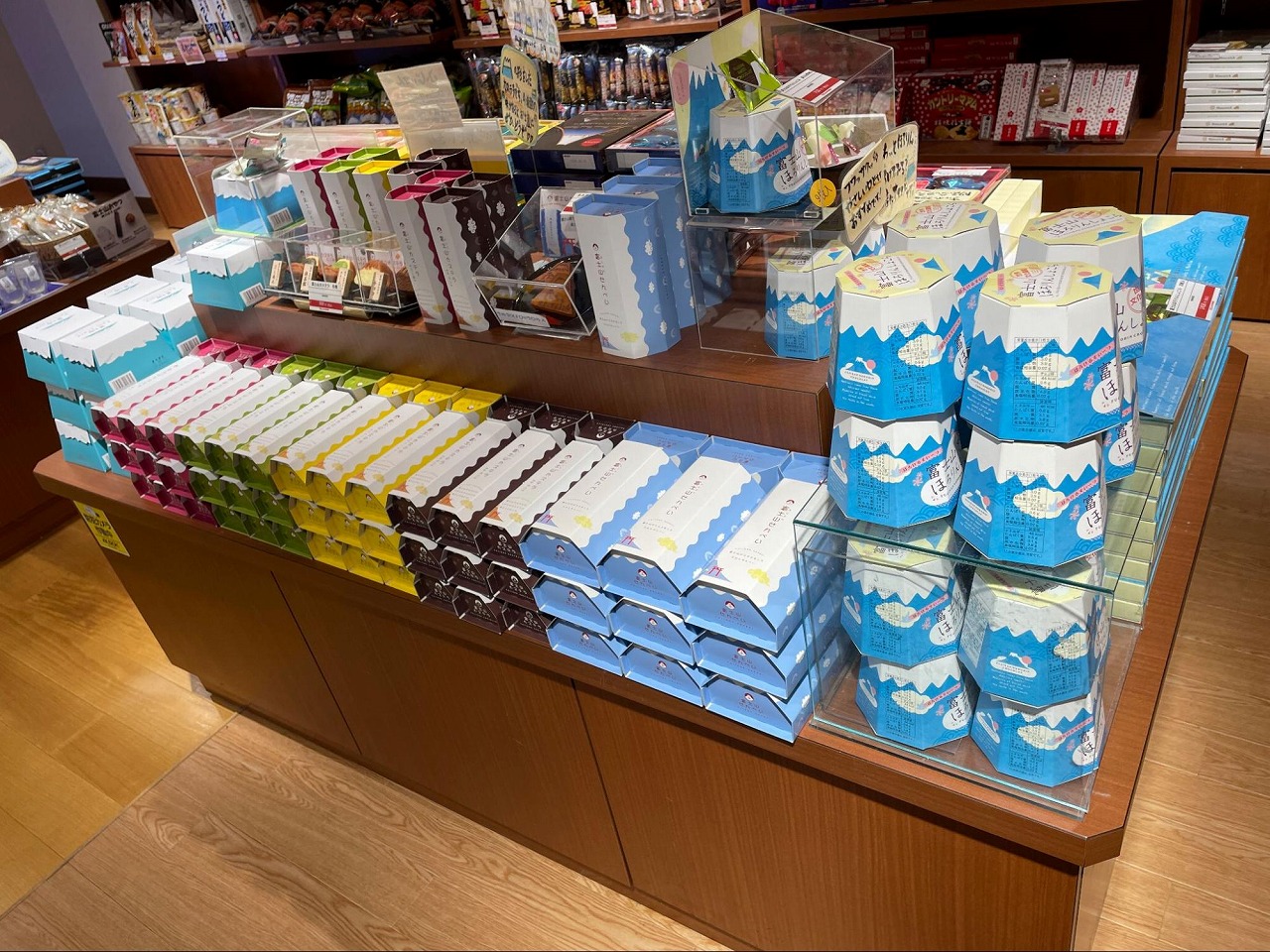
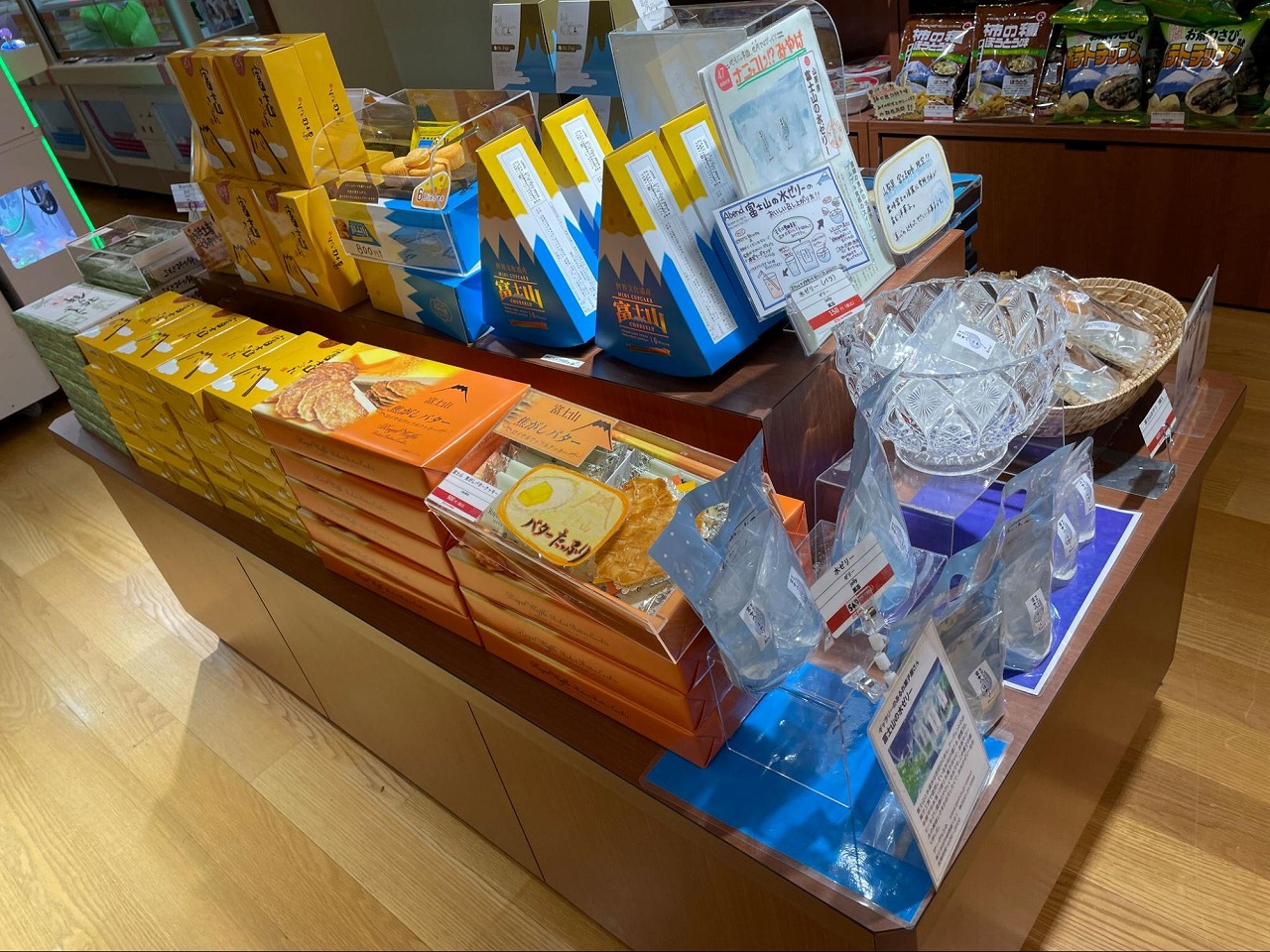
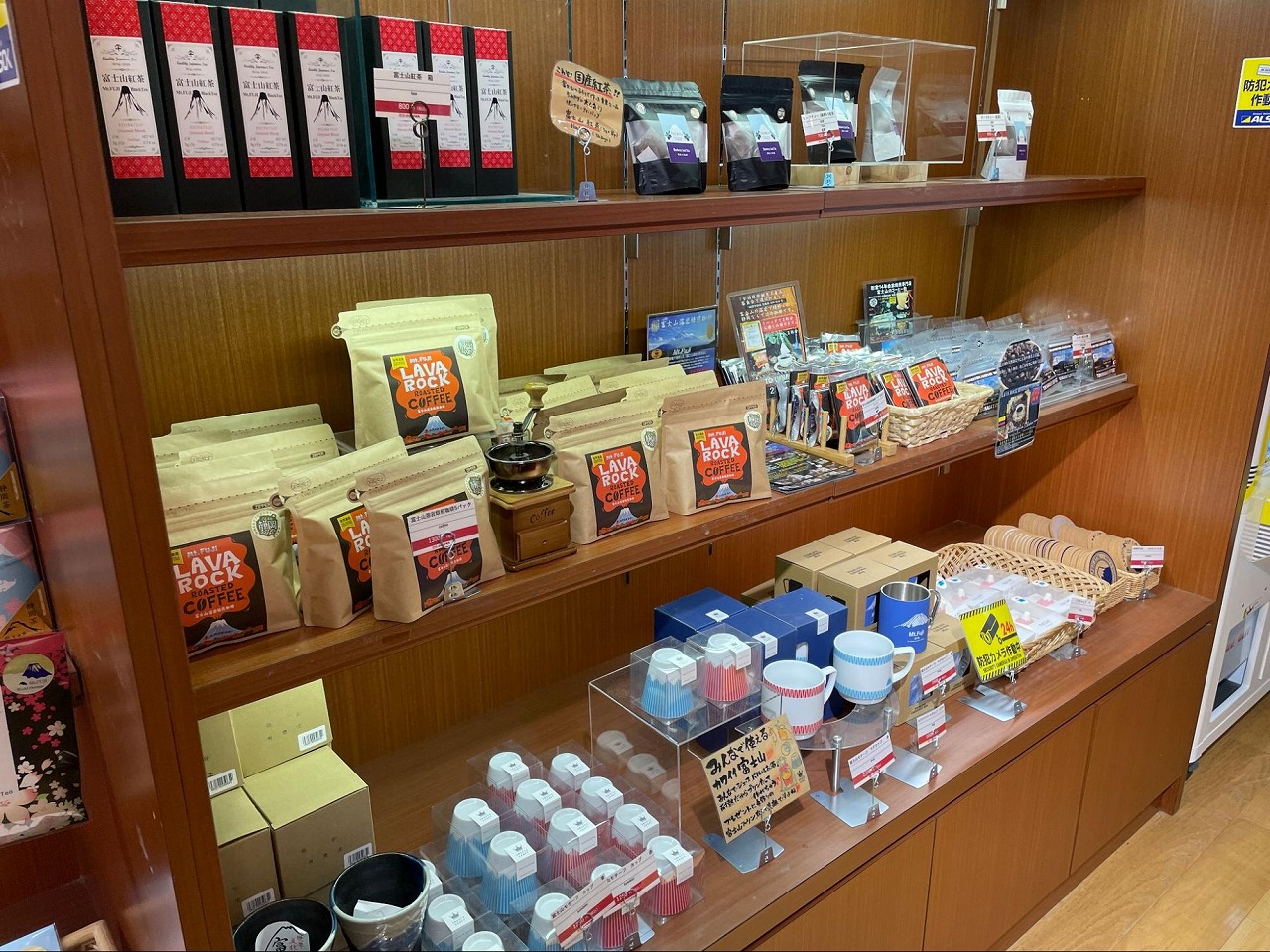
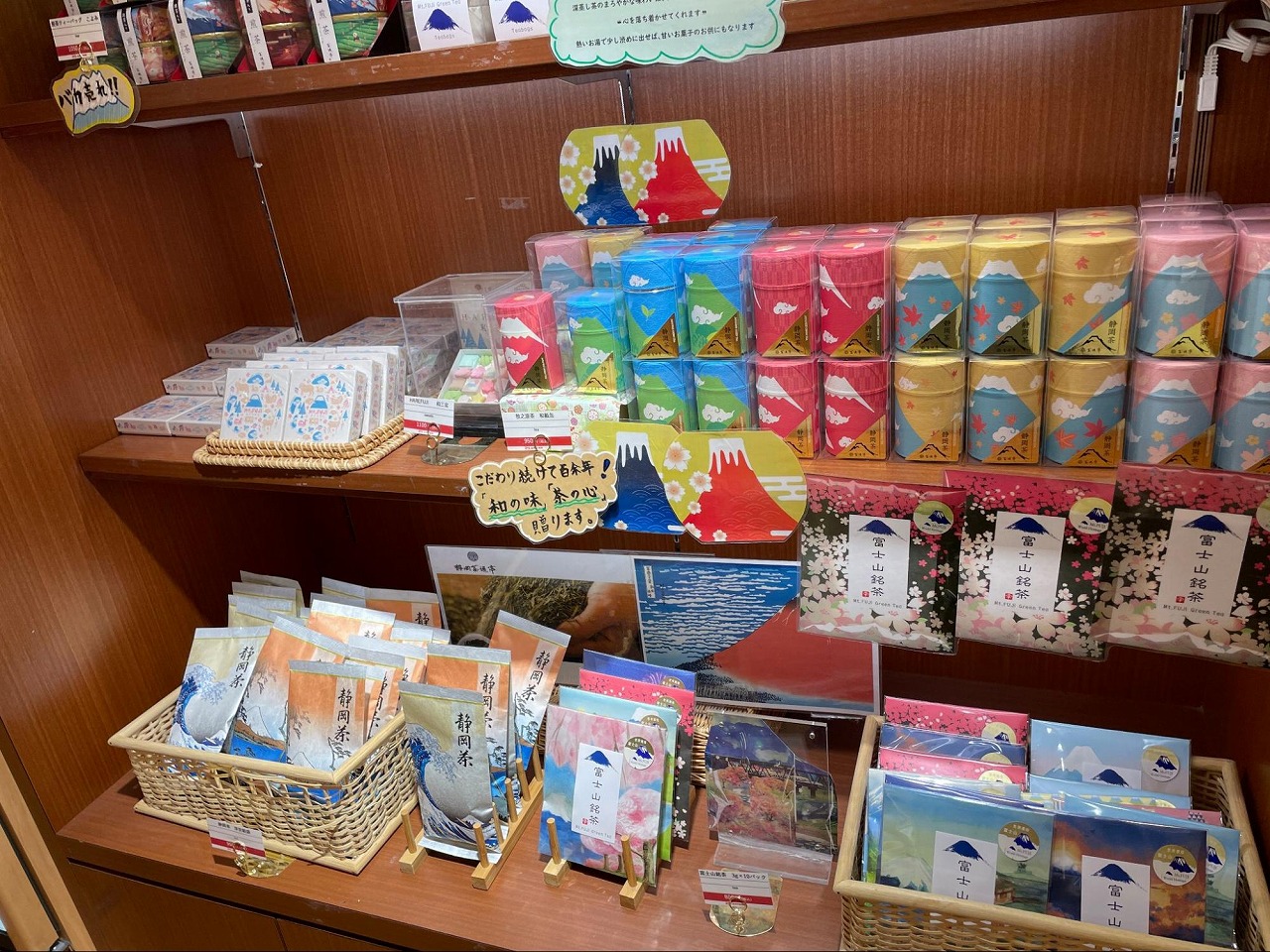
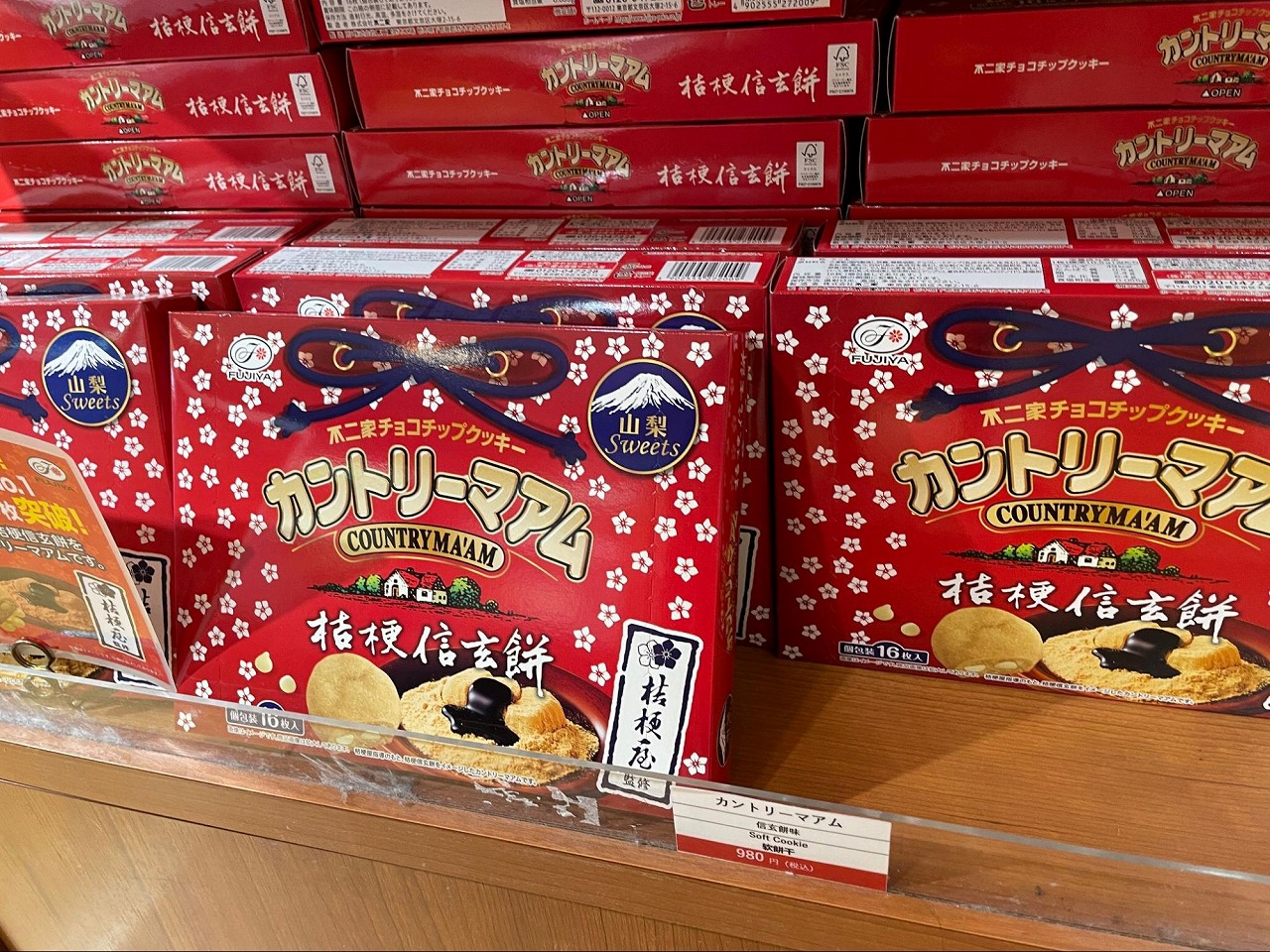
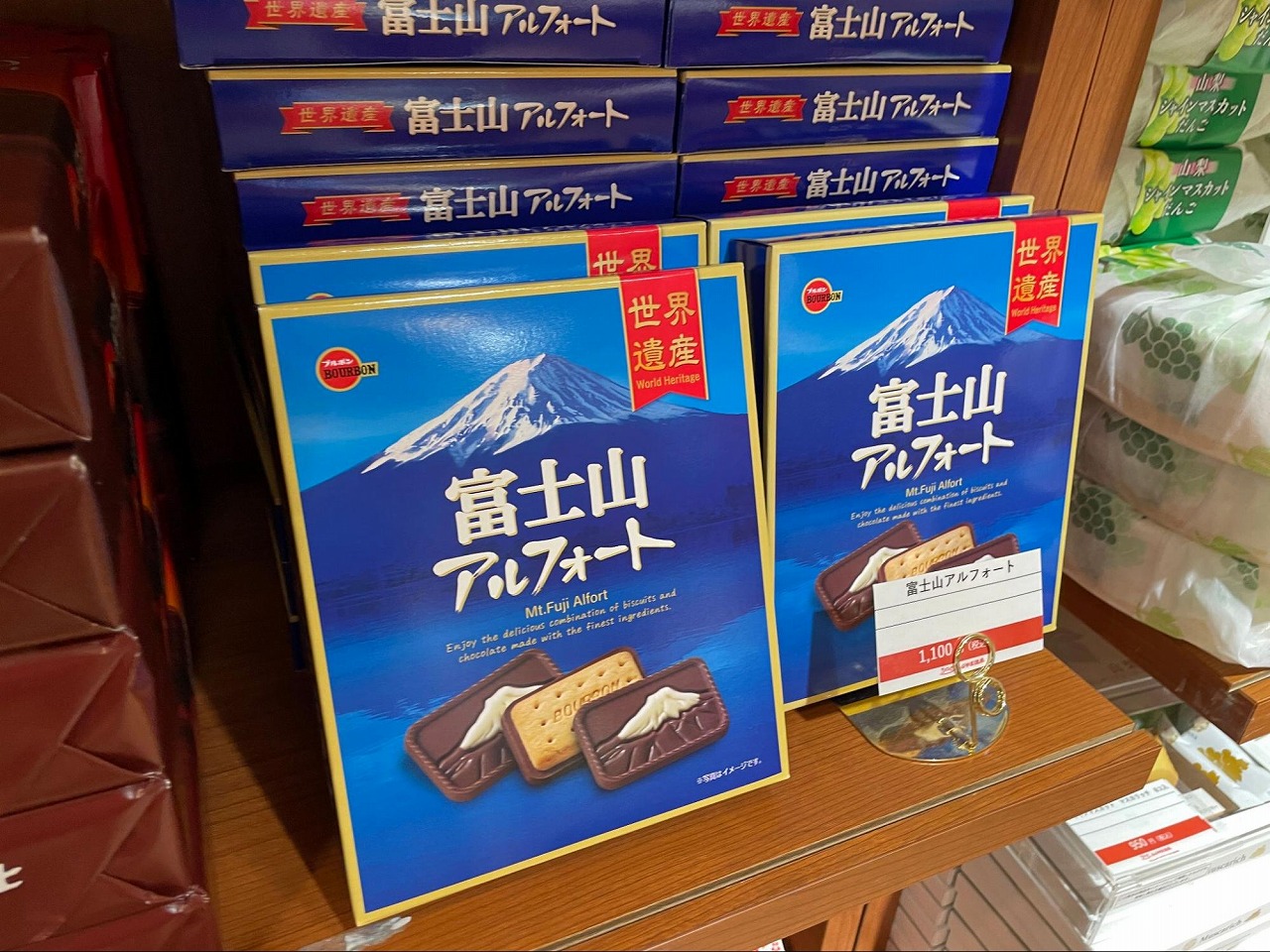
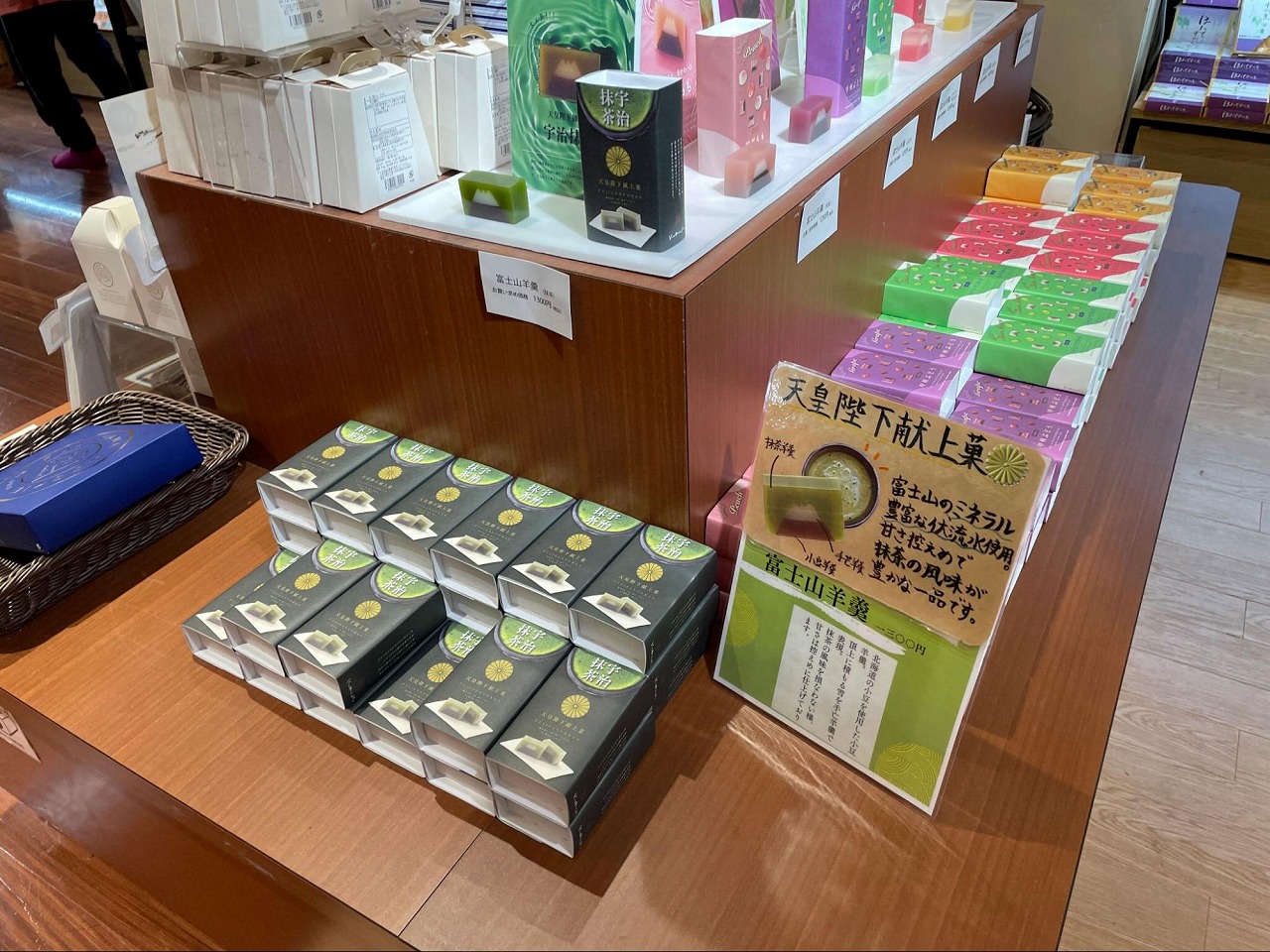
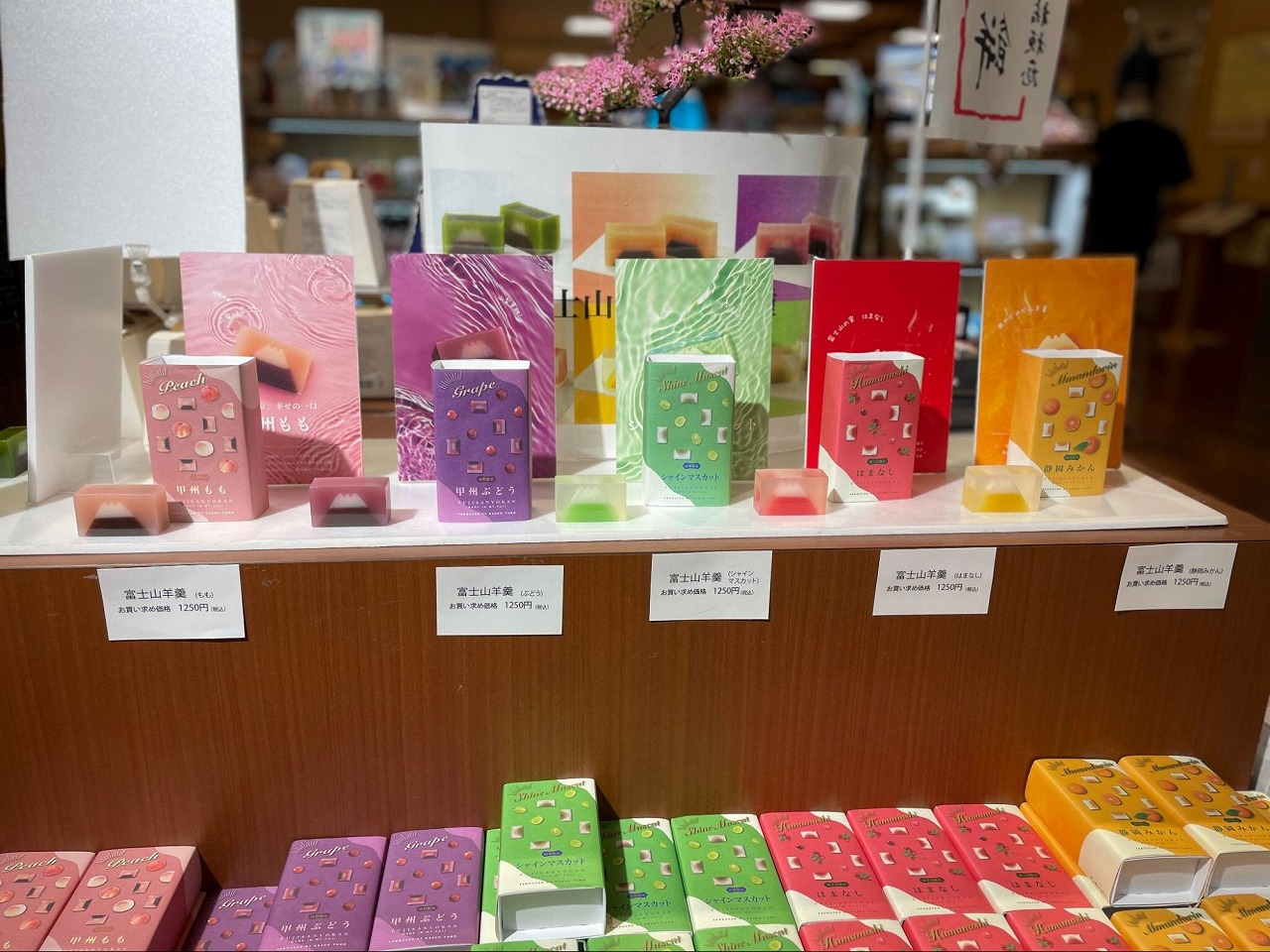
18:00 Shop for Souvenirs Before Leaving
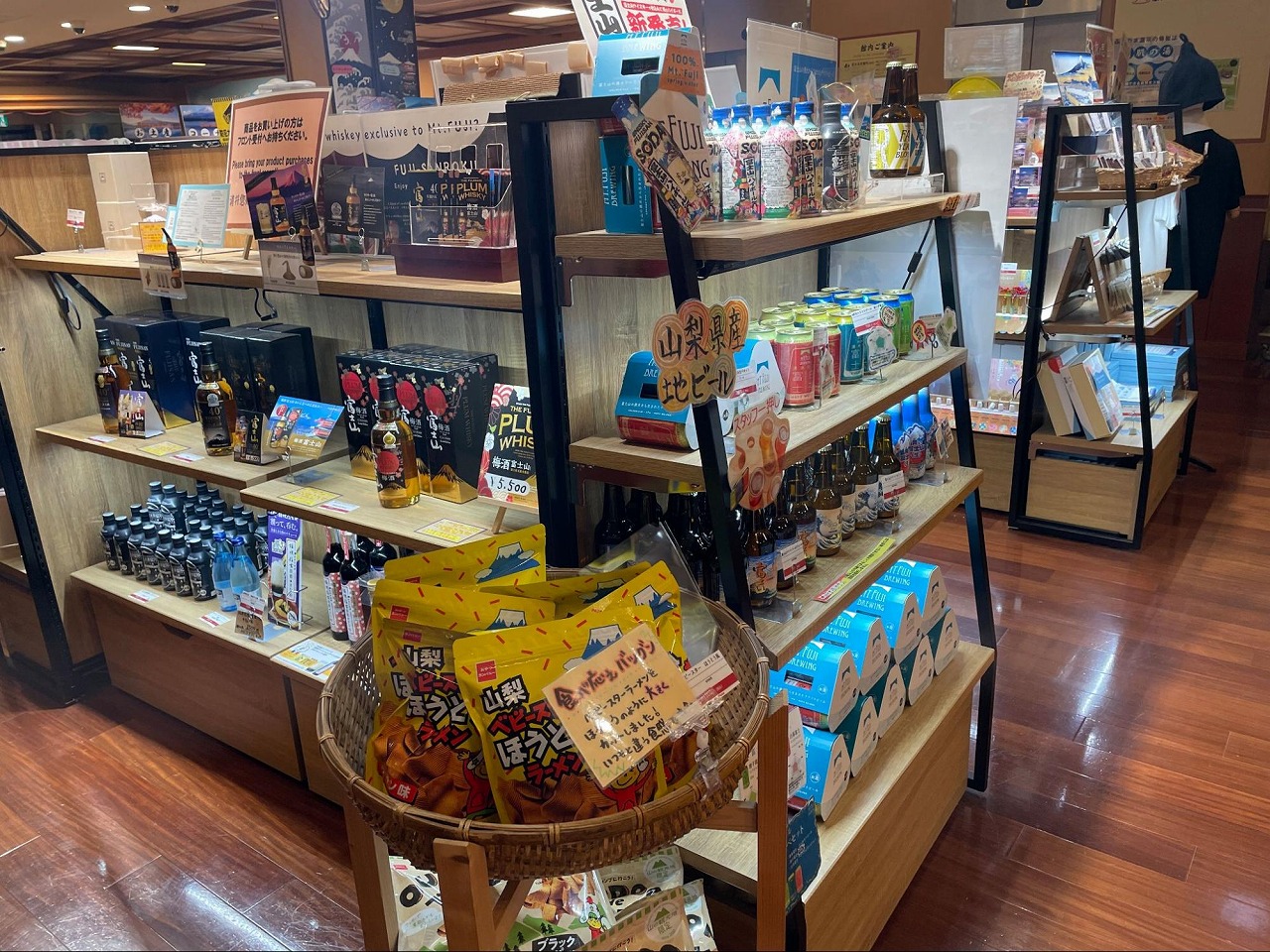
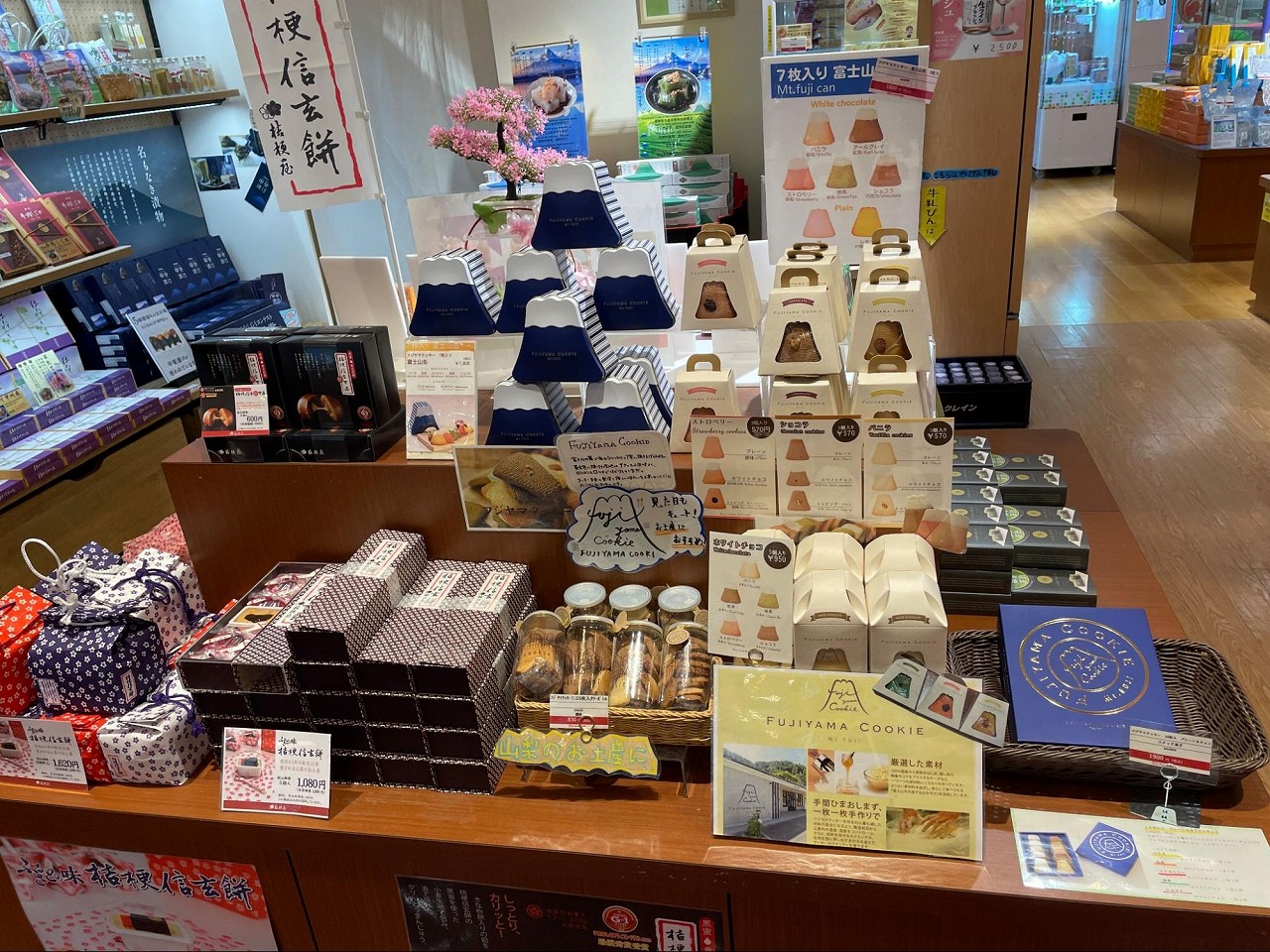
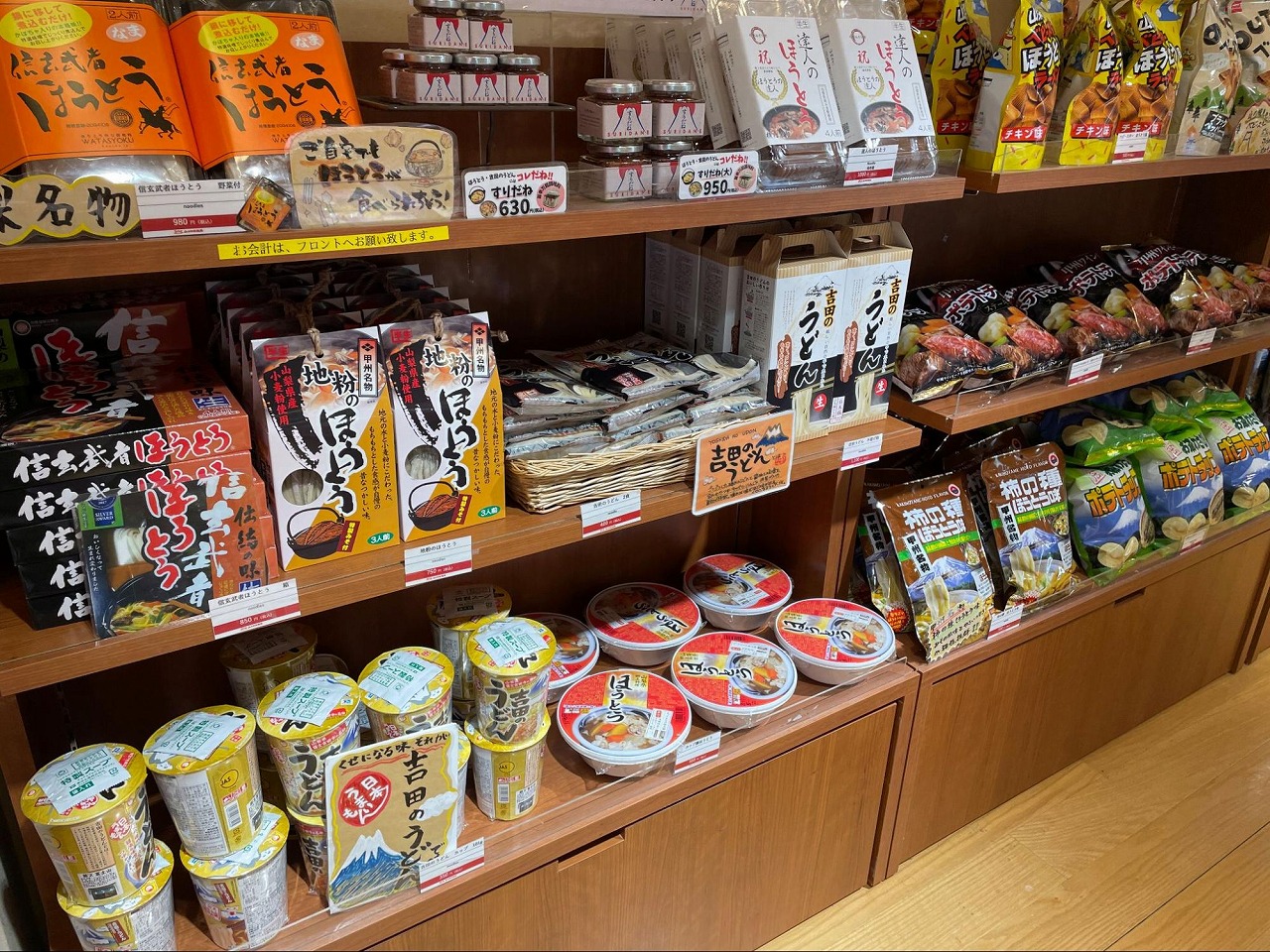
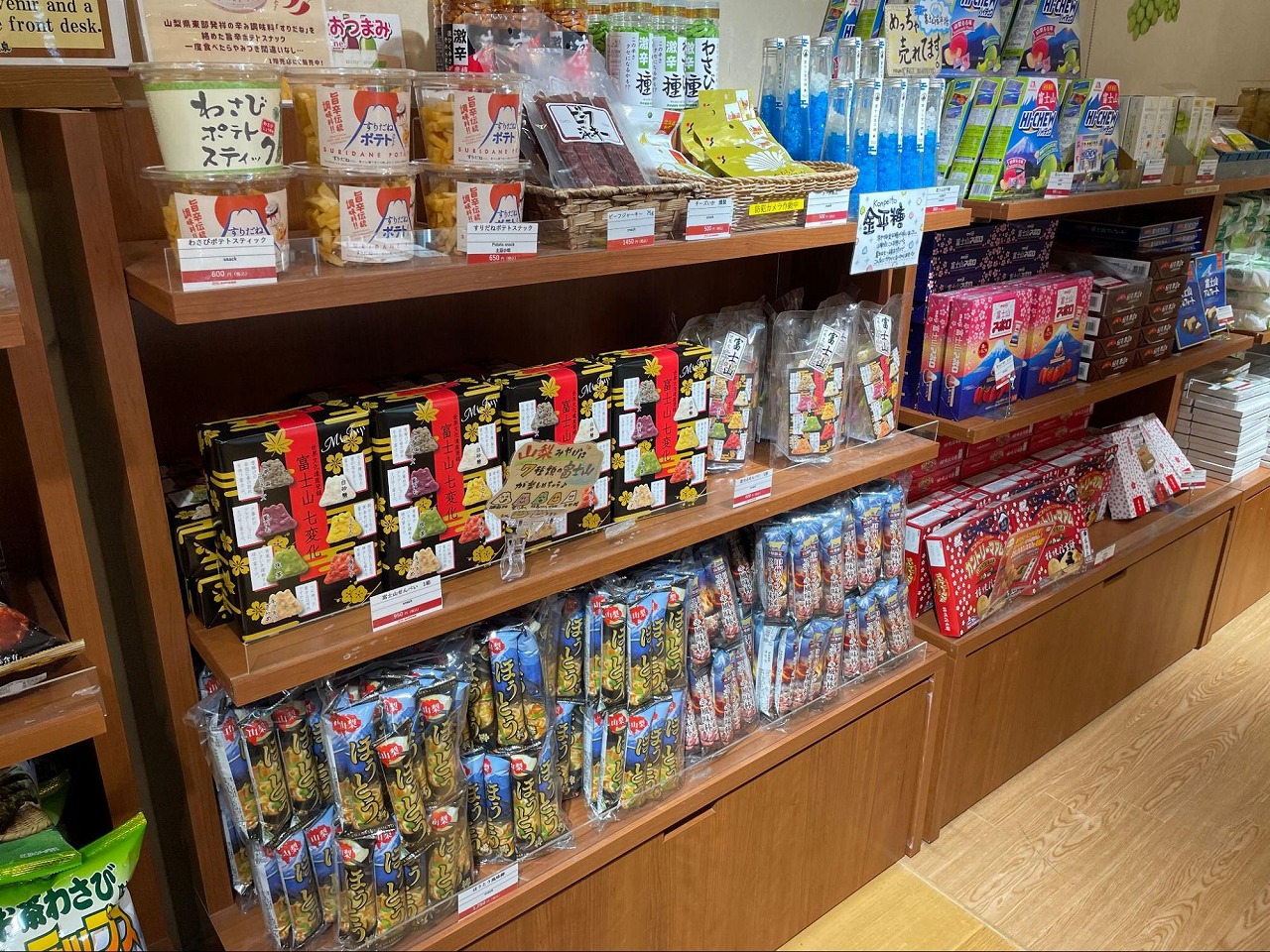
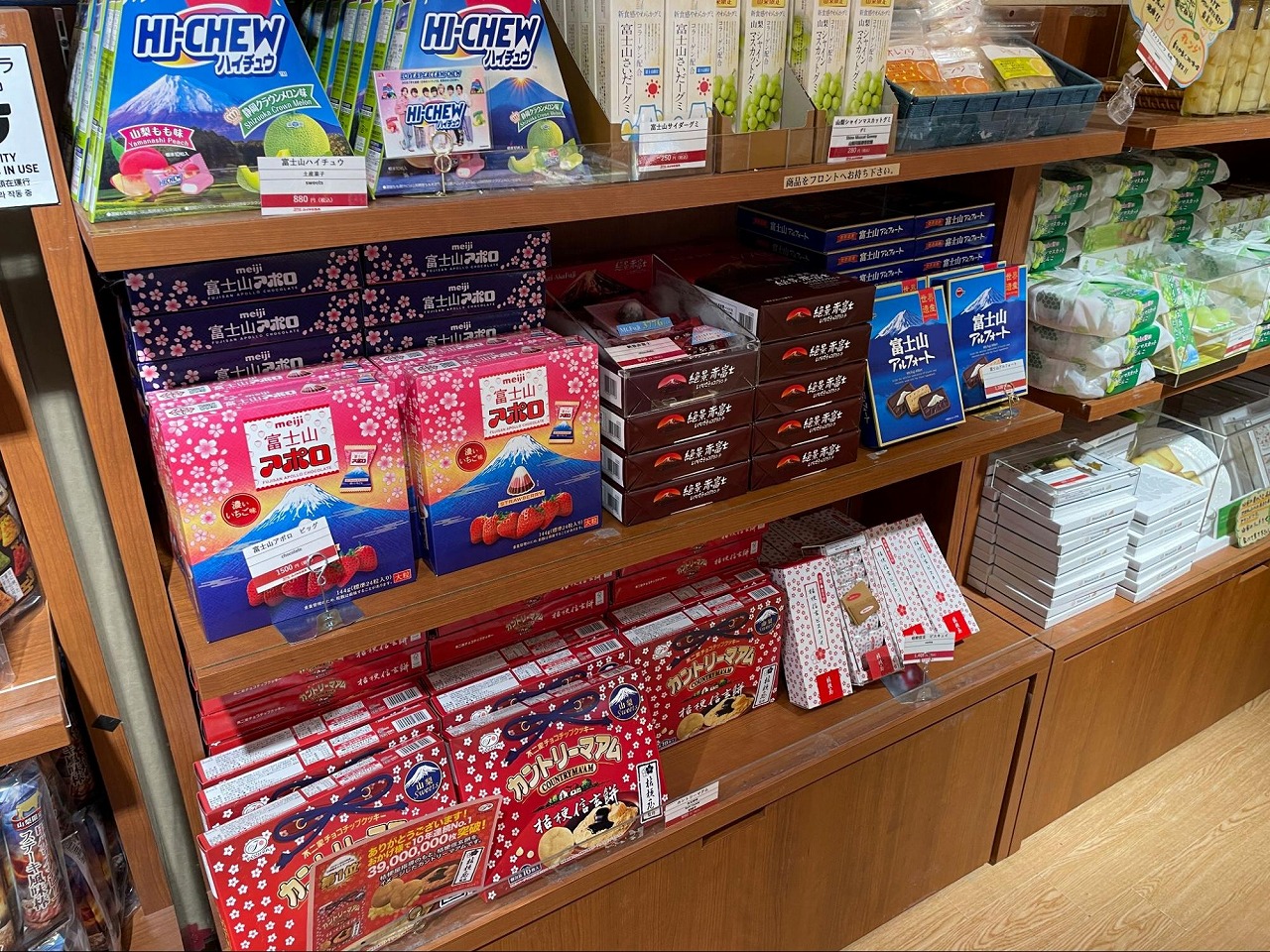
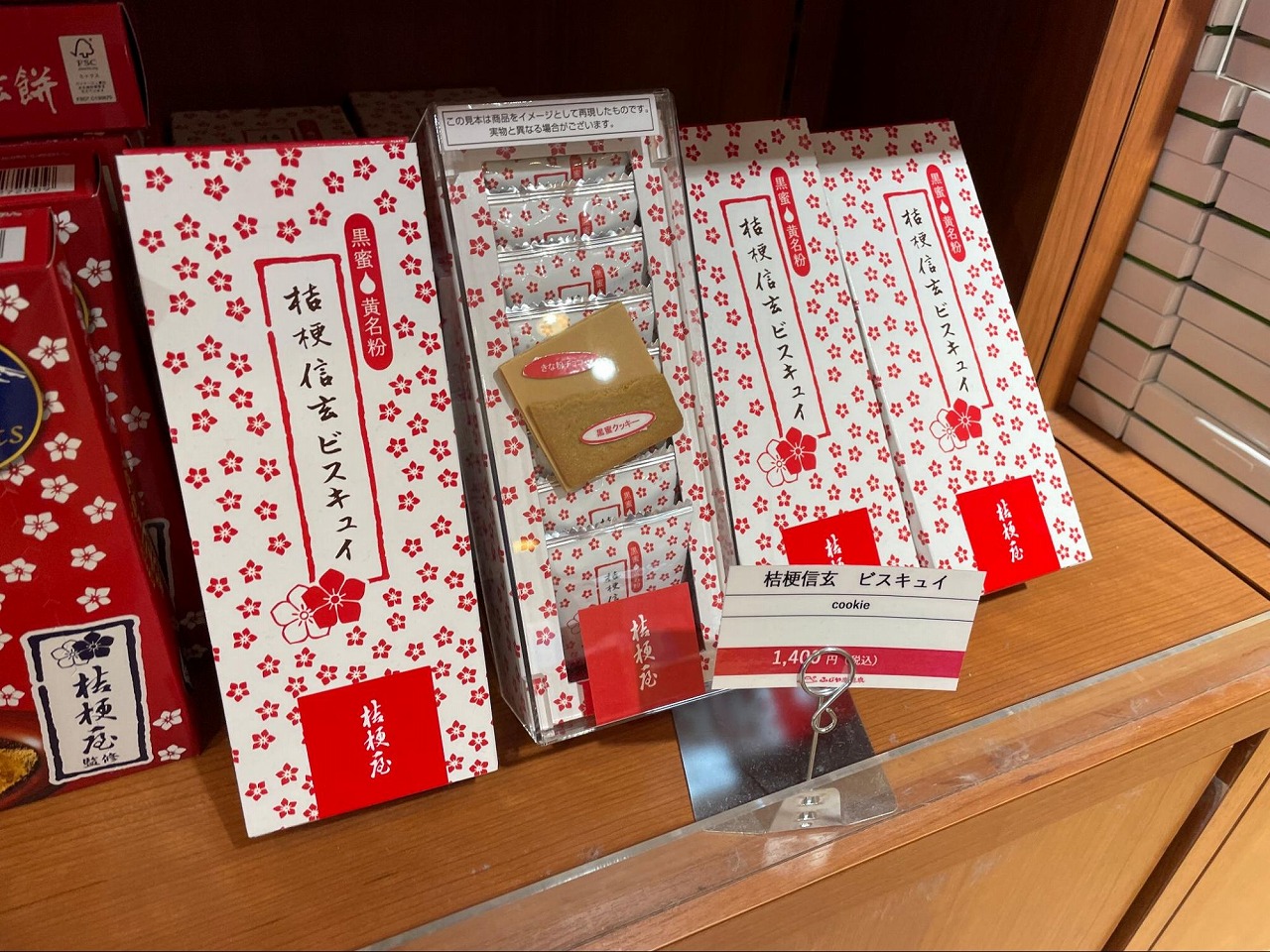
To wrap up your day, stop by the shop on the first floor.
Inside, you’ll find a wide selection of attractive items, including Mt. Fuji-themed sweets and goods, as well as Yamanashi specialty treats.
Bath additives inspired by hot spring minerals are especially popular.
They make wonderful souvenirs or even a small personal treat to remember your trip.

20:00 Departure
After finishing your souvenir shopping, it’s finally time to leave—perhaps with a hint of reluctance.
Simply scan your locker key at the automatic payment machine, and your total for the day will appear. Follow the on-screen instructions to complete your payment.
Payment methods include cash, credit cards, and electronic payments.
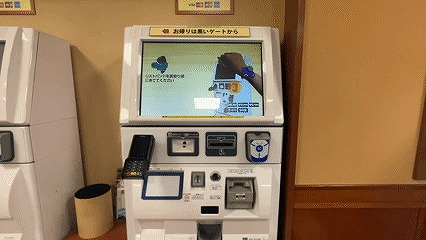
Although the facility can become crowded in the evening, multiple payment machines help minimize waiting times.
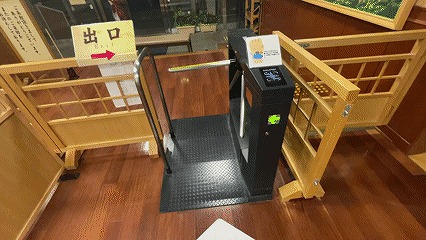
Once you’ve completed your smooth checkout, you can head straight to the exit.
Basic Information & Access
【Basic Information】
| Address | 4-17-1 Shin-Nishihara, Fujiyoshida, Yamanashi 403-0017 |
|---|---|
| Phone | 0555-22-1126 |
| HP | https://www.fujiyamaonsen.jp/ |
【Admission Fees】
| Category | Weekdays | Weekends & Holidays | Morning Bath (6:30–9:00) |
|---|---|---|---|
| Adults (Junior high school students and above) | ¥1,600 | ¥2,000 | ¥800 |
| Children (Ages 3 and above) | ¥800 | ¥1,000 | ¥400 |
【岩盤浴(10:00〜21:00)】
| Category | Fee |
|---|---|
| Adults (Junior high school students and above) | ¥680 |
| Discounted Set Price (when purchased at admission) | ¥610 |
Summary
In this article, we introduced what a full day at Fujiyama Onsen can look like.
Whether you stop by between visits to Fuji-Q Highland and sightseeing around Lake Kawaguchi, or plan a leisurely stay with the hot springs as your main purpose, the choice is yours.
It’s a place where you can pause for a deep breath during a busy journey and fully experience the soothing comfort of Mt. Fuji—leaving both your body and mind feeling lighter and refreshed.